There is a special kind of magic that happens late at night on the streets of Quezon City. While the rest of the city goes to sleep, bright signs and simple plastic stools show where people are gathering. For many years, that welcoming light has been The Original Pares Mami House in Retiro (N.S. Amoranto).

A Piece of Quezon City Heritage
Stepping into the Retiro shop is like walking through a living archive of Manila’s street food history. The walls have seen decades of stories, late-night laughter, and midnight cravings.
Back when pares was still a new idea—mixing Chinese-style stew with local tastes—Retiro became the main home for it. It never tried to be fancy or chase passing trends. It just stuck to a simple rule: honesty, consistency, and a flavor profile that stayed true to what everyday Filipinos craved. There is a deep-seated appreciation for how a simple little shop turned into a beloved landmark where families, students, and friends have made memories for years.
A Late-Night Sanctuary
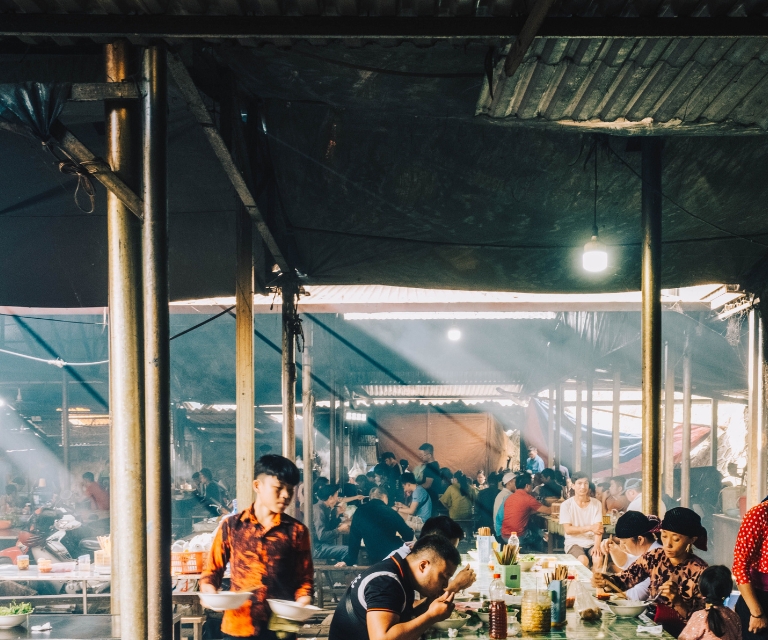
Long before 24-hour convenience stores and trendy midnight snacks existed, places like Pares Retiro were the original late-night safe havens. Taxi drivers finishing their shift, students pulling all-nighters, and corporate workers tired from long office hours would sit shoulder-to-shoulder, waiting for a hot bowl of soup.
There is an unmatched sense of safety and belonging in finding a place that stays open while the rest of the world is asleep.”
Eating a hot meal at 3:00 AM isn’t just about filling an empty stomach; it helps you feel grounded after a very long and exhausting day.
The Classic Pares Experience
A heavy ceramic bowl lands on your table. Dark, thick, sweet-smelling gravy bubbles gently over tender chunks of beef brisket and shank. Next to it is a mound of golden garlic fried rice and a separate, steaming bowl of clear beef soup sprinkled with pepper.
What makes the Retiro style pares so unforgettable is how well everything fits together. The beef melts right into your mouth. The rich, sweet-savory flavor is balanced out by a sharp dip made of chili, calamansi, and soy sauce. You take a bite of the garlic rice, follow it with tender beef, and then take a sip of the hot, clear broth.
It makes you feel happy and warm all over—like an instant reset for your mood.”
Comfort for Every Craving
Of course, the menu has more than just the classic plate. If you want something easy to slurp down on a chilly night, they also serve mami. These are stretchy egg noodles in that same delicious, slow-cooked beef broth, topped with tender meat, toasted garlic bits, and green onions. Whether you choose garlic rice with beef stew, soft tendon, or a steaming bowl of noodles, every choice feels like visiting an old friend.

A Place Where Everyone is Equal
Look around the room on any given night. A person in a corporate suit might be sharing a table with a delivery rider and a group of friends hanging out while curing their hangovers.
In a busy city where people can feel separated by money or background, the local pares house brings everyone together. No one judges what you are wearing, how you eat, or how tired you look. Over a hot bowl of comfort food, titles and status do not matter—everyone is just a hungry person enjoying a good meal in a friendly space.
Why It Still Matters Today
New restaurants open and close all the time, but the crowds outside Pares Retiro stays loyal year after year.
At its heart, The Original Pares Mami House is still thriving because it reminds us of who we are. It proves you do not need fancy cooking tricks, white tablecloth, or expensive plates to touch people’s lives. You just need a big pot of good food, a long history of great taste, and a door that stays open when people need a warm place to rest.
It’s a comforting reminder that while trends come and go, true Filipino comfort food endures because it is tied to our identity and our love for gatherings.
Read more Stories on Simpol.ph
The quiet weight behind the counter
The New Table: How Everyday Filipinos Became the New Food Critics
The Main Character Matrix: Inside the Era of the Everyday Influencer