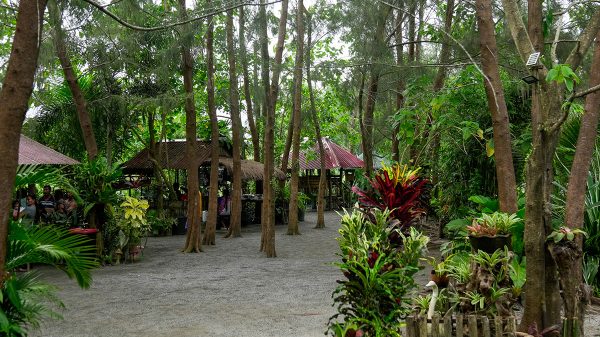
When people think of Zambales, its beaches and coastlines often come to mind. But beyond its shores lies another attraction worth exploring: its rich agricultural heritage, local produce, and vibrant community.
A Different Side of Zambales
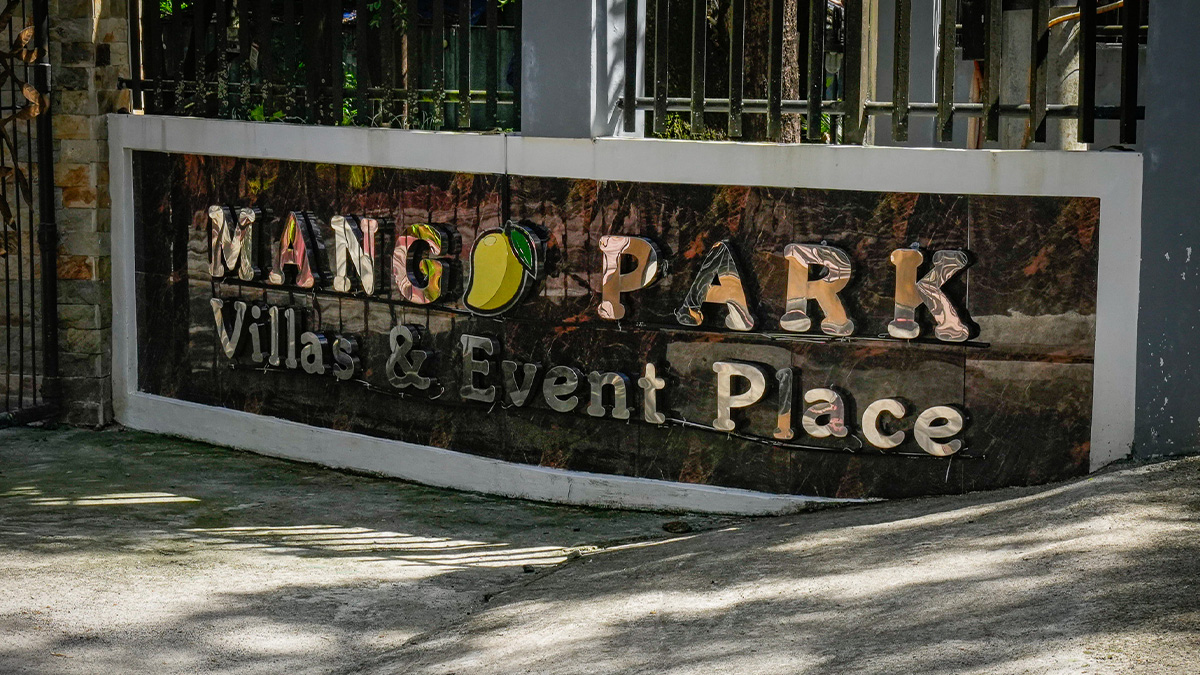
At The Mango Park, these elements come together in a destination that celebrates the province’s identity through food, hospitality, and nature.
“We try to target something that is usually overlooked by tourists, which is our land, our farm,” says Nathaniel Neypes, CEO and General Manager of Mango Park Farm Resort.

Known for producing some of the country’s sweetest mangoes, Zambales became the inspiration behind the resort. Rather than simply building another vacation property, the family wanted to create a place where guests could experience what makes the province special.
Rooted in Local Stories
What started as a family rest house eventually grew into a farm resort that welcomes guests beyond the family circle. For Neypes, the property remains a personal connection to provincial life.
“This is where I learned how to climb a tree. This is where I learned how to pick mangoes. Everything farm-related, I learned it here,” he shares.
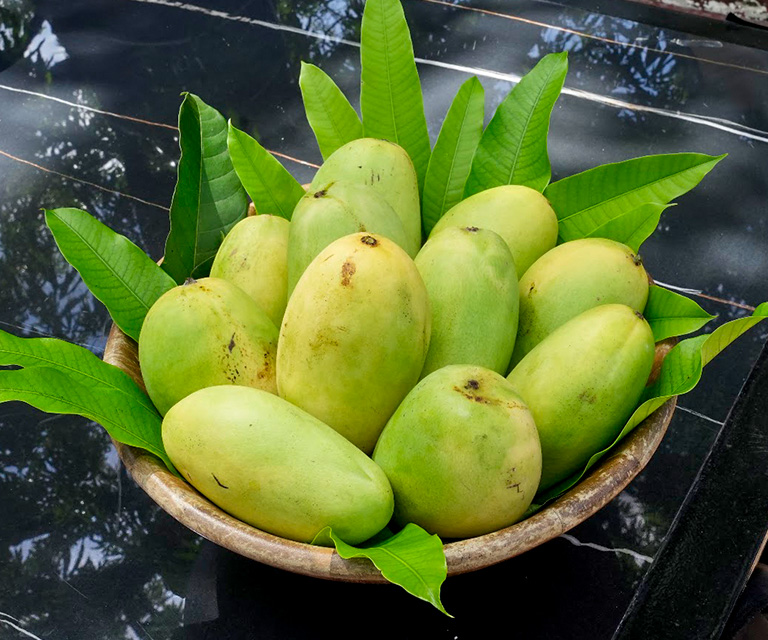
That appreciation for local culture also shapes the resort’s approach to sourcing. Instead of relying heavily on large suppliers, Mango Park works directly with local farmers and fishermen.
During mango season, guests can even walk around the property, pick mangoes, and bring them home at no additional cost. When the resort’s own harvest runs low, it purchases produce from nearby mango farmers.
Filipino Flavors with a Local Twist
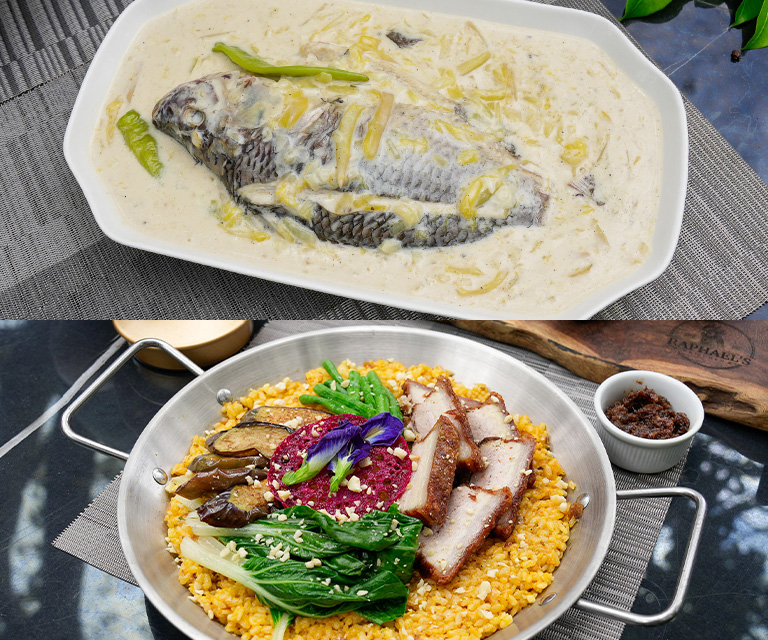
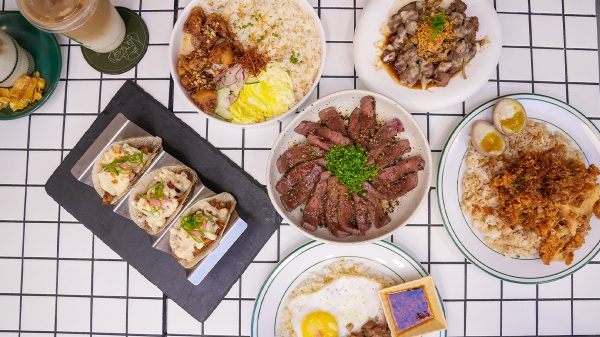
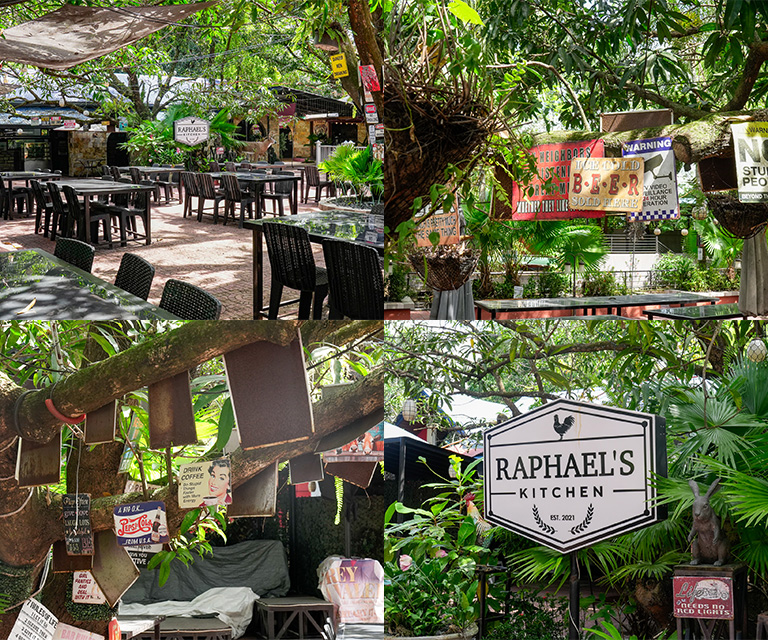
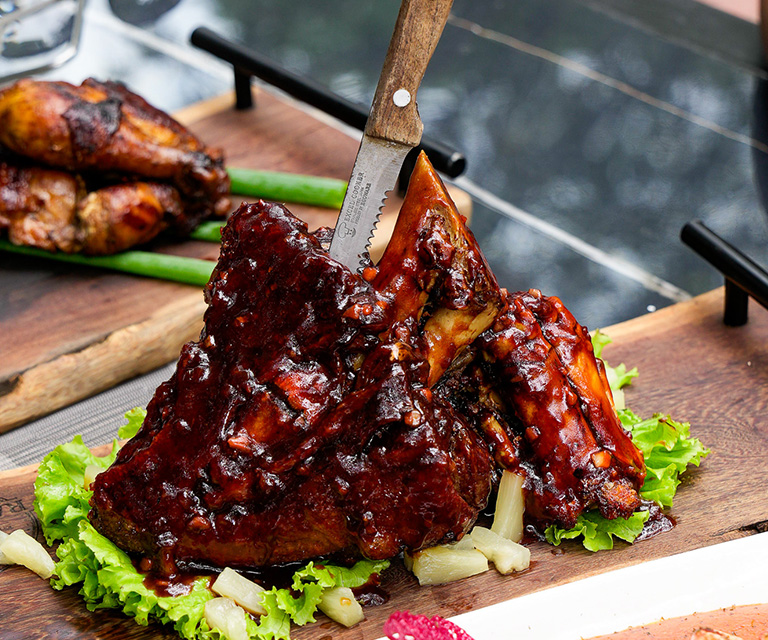
The same philosophy extends to Rafael’s Kitchen, the resort’s modern Filipino restaurant. Its menu reimagines familiar dishes using locally sourced ingredients and stories from the community.
One standout is the Sinigang na Short Ribs sa Manga, which combines ripe and unripe mangoes to balance sweetness and acidity in the broth.
Neypes recalls how the dish came about while looking for ways to make the restaurant’s Filipino offerings more distinctive.
“We’re in a mango orchard. We have to use our products,” he says.
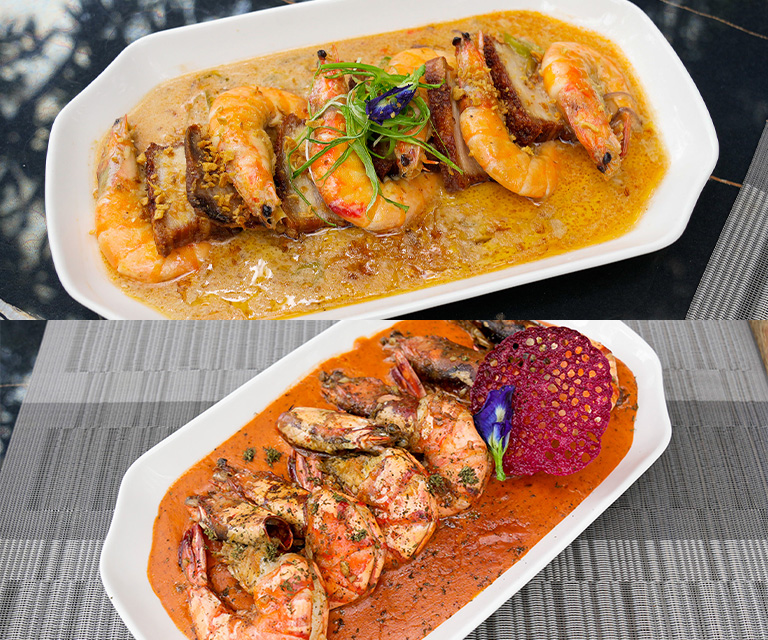
Other highlights include Bicol Express Tiger Prawns, which combines roasted pork belly and seafood, and Kare-Kare Paella, a Spanish-inspired rice dish infused with Filipino kare-kare flavors.
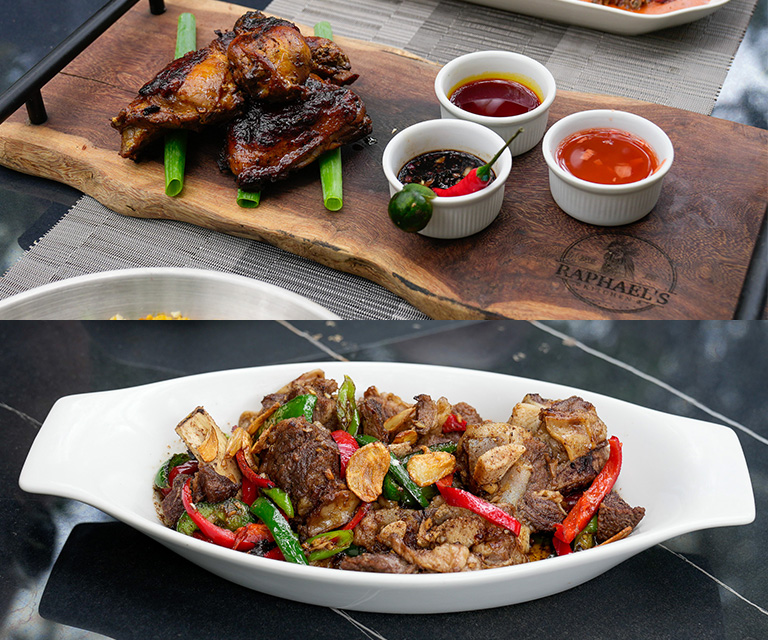
The restaurant also serves wild boar adobo made with meat supplied by members of the local Aeta community, creating opportunities for them to earn through their traditional resources.
More Than a Place to Stay
With just 12 premium villas, Mango Park focuses on creating more personal guest experiences. Future plans include collaborations with local Aeta communities and artisans, incorporating handwoven baskets and locally made pottery into the property.
“For us, we’re just not selling rooms. We’re selling the story of our people, the story of our land, the story of our culture,” Neypes explains.
At Mango Park, a getaway becomes an opportunity to reconnect with nature while discovering a different side of Zambales—one shaped by its people, traditions, and homegrown flavors.
Read more stories on Simpol.ph
Camiguin’s Lanzones Festival: A Celebration of Island Life