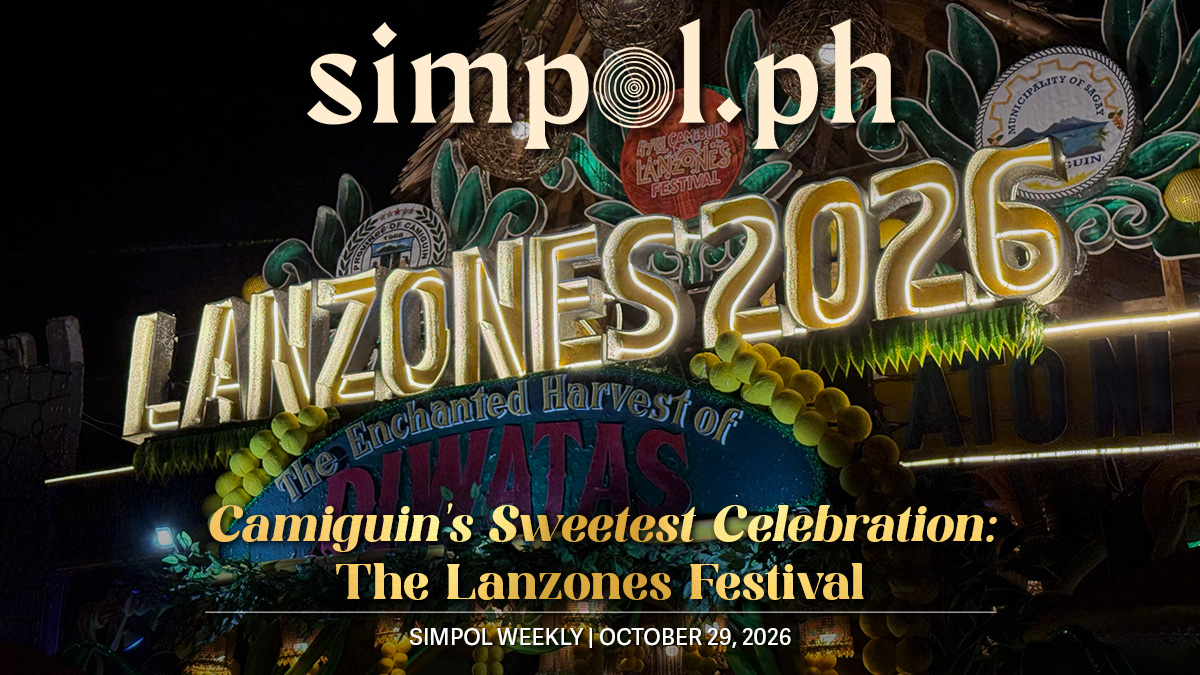
Camiguin may be one of the Philippines’ smallest island provinces; however, it offers plenty of reasons to stay longer. From thermal springs and cascading waterfalls to volcanic peaks, white-sand sandbars, and vibrant local cuisine, the island packages nature, adventure, and culture into a single compact destination.
For Analyn Amorin, a Department of Tourism-accredited tour guide, Camiguin operates as a complete package for travelers looking for diverse experiences.
“We have springs, we have falls. If you wanna trek, pwede rin po,” she shares, pointing to the hiking trails up Mount Hibok-Hibok. In addition, visitors can take a boat out to Mantigue Island, relax on the stark white sands of White Island, or explore the local culinary traditions that make the province distinct.
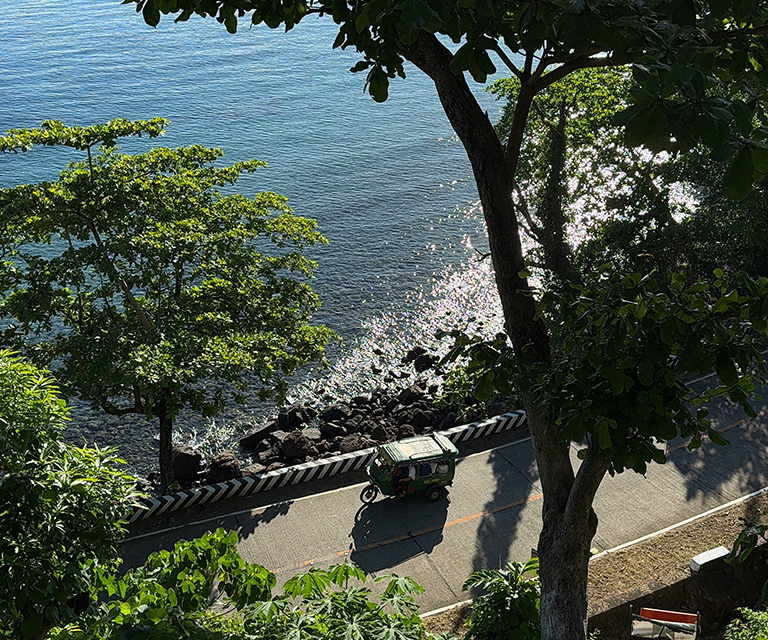
Camiguin’s character is shaped directly by its volcanic terrain. According to Amorin, the mineral-rich volcanic soil gives the island’s lanzones its signature sweetness, thereby turning the fruit into one of its most famous agricultural exports.
While abaca remains a major crop, lanzones has become fundamentally tied to Camiguin’s identity. Consequently, every October, when the harvest arrives, the island welcomes visitors eager to sample the fruit and join in an island-wide tradition.
More Than a Fruit Festival
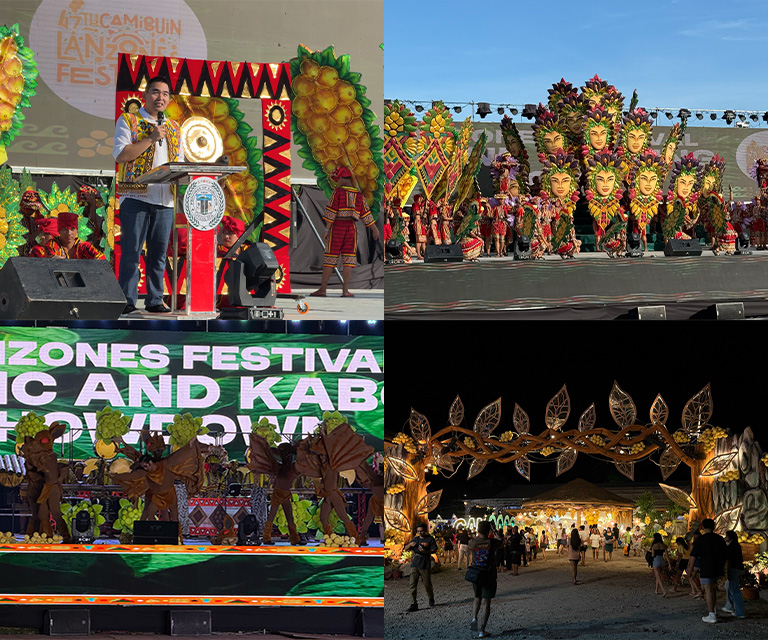
Held every third week of October, the Lanzones Festival is a weeklong celebration of thanksgiving for a bountiful harvest. Ultimately, it serves as an annual opportunity for the community to showcase the crop that put Camiguin on the map.
“We are actually known as having the sweetest lanzones in the Philippines,” Amorin says.
Camiguin cultivates two main varieties: specifically, the small native lanzones and the thicker-skinned longkong variety. Because both benefit from the volcanic soil, travelers have a compelling reason to seek out locally grown produce.
Furthermore, the festival brings this agricultural heritage directly to the streets through parades, street dancing, music, and community showcases. Highlights include the Kalandrakas, where elementary students interpret local folklore through dance, as well as competitive street-dancing events featuring older students.
The festivities also draw heavily from island folklore. For instance, local tales speak of diwata (fairies) who blessed the once-bitter fruit with sweetness through ancient rituals. Meanwhile, the kabog—a fruit bat that feeds on the crop—frequently appears as a character in performance routines. Together, these stories give the celebration cultural depth, introducing younger generations and visitors to Camiguin’s heritage.
Sharing the Harvest
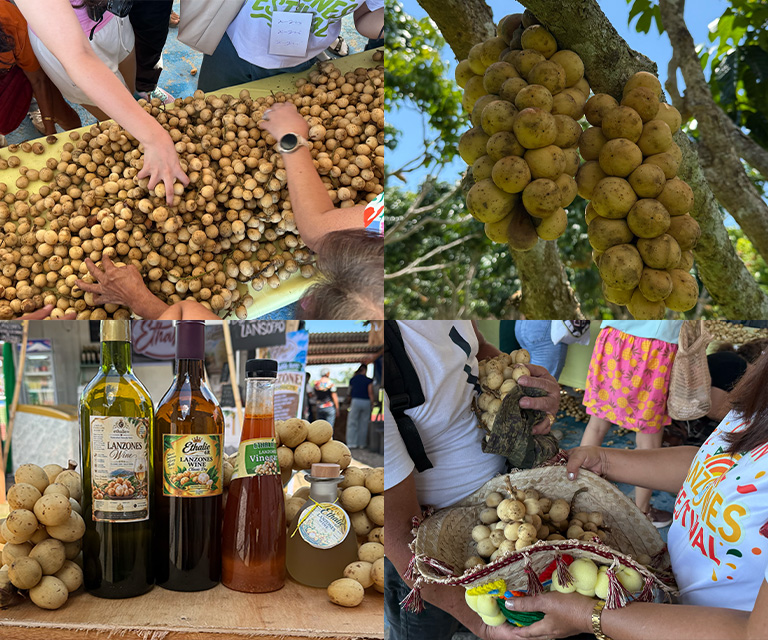
One of the festival’s main events is the Lanzones Itulukan, where visitors can sample fresh lanzones free of charge. The activity turns the harvest into a shared experience, bringing locals and tourists together over fresh fruit.
Amorin notes that foreign visitors are often unfamiliar with how to peel and eat lanzones, requiring a quick demonstration. For her, these informal interactions are central to the festival’s appeal, giving travelers a direct connection to the local community.
The harvest has also driven local innovation, inspiring small businesses to create products like lanzones wine, tarts, vinegar, and ice cream. These items extend the fruit’s reach beyond the harvest season, creating year-round opportunities for local entrepreneurs.
Harvest yields naturally fluctuate from year to year. When lanzones production is lower, the community adapts by spotlighting other local fruits and cultural activities, maintaining the festive atmosphere while preserving the event’s core purpose.
Why the Festival Matters
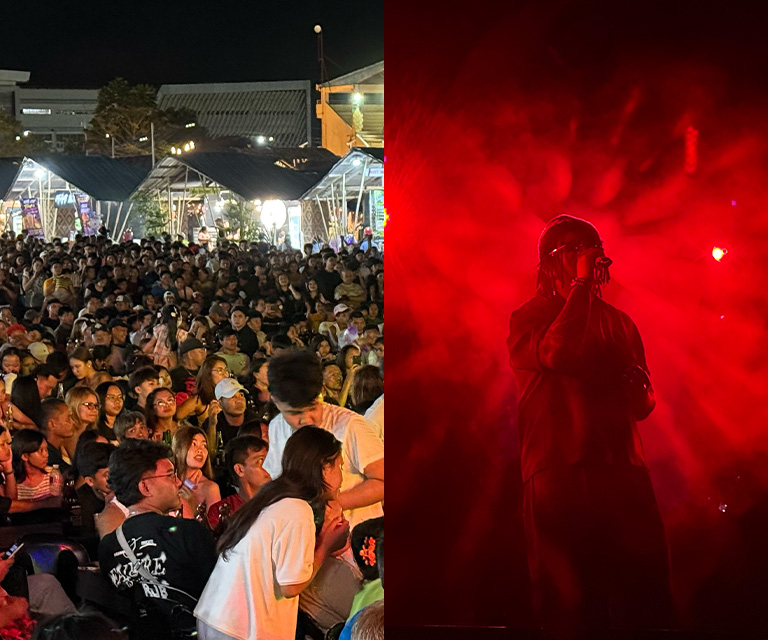
For Camiguin, the Lanzones Festival is an economic anchor. Not only does it support local farmers, but it also provides a platform for entrepreneurs and generates business for hotels, restaurants, and transport operators across the island.
Amorin recalls how quiet the island became during the COVID-19 pandemic, when travel stopped completely.
“Silent mode ang Camiguin,” she recalls.
That quiet period highlighted just how vital tourism is to the local economy. Ultimately, visitors sustain small businesses and provide residents with a platform to share their culture, food, and traditions.
“That’s why we take care of them,” Amorin explains, adding that her goal is to ensure guests leave with experiences worth sharing with family and friends.
In the end, the Lanzones Festival celebrates a community’s connection to its land, its heritage, and the agricultural traditions built around its natural landscape.
As Amorin notes, Camiguin rewards those who take the time to explore beyond a quick day trip. Therefore, from its volcanic landscapes and coastal waters to its food and seasonal festivals, the island offers a distinct, slow-paced travel experience—best enjoyed over a palmful of fresh lanzones.
Read more stories on Simpol.ph
A Life Tended by Hand: How Melchor Mercado Found Purpose and Peace in Camiguin