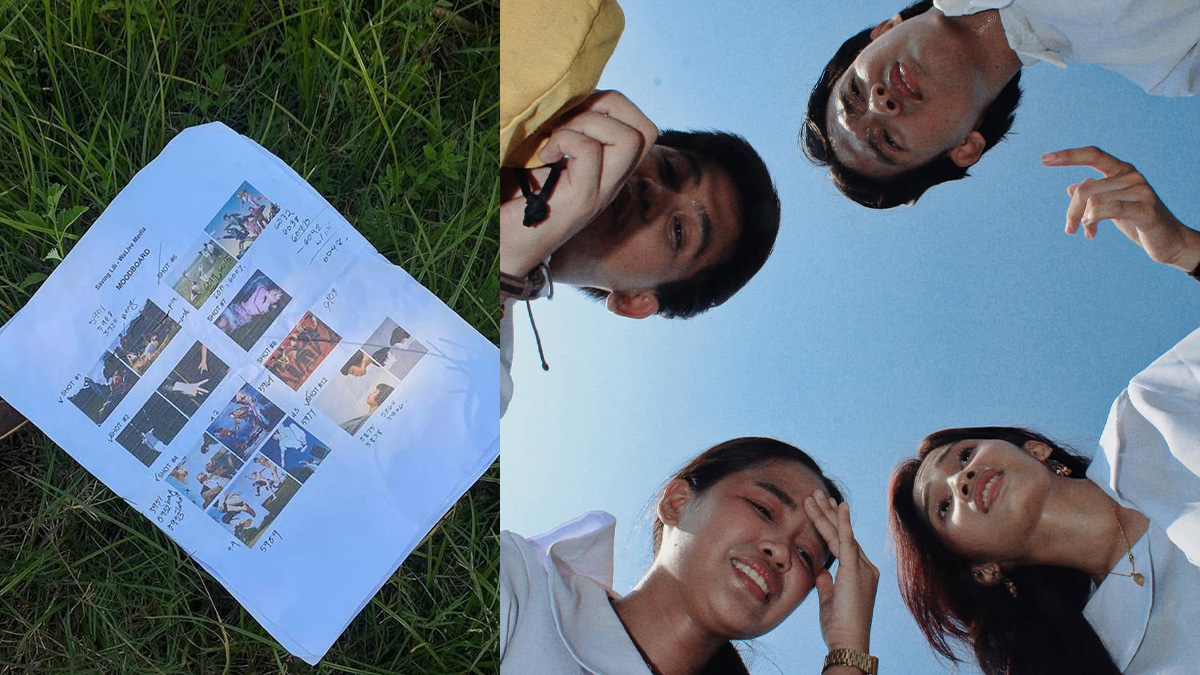
This is your sign to tap into your creative bubble.
Get started on that project today, because the industry isn’t going to wait around for you to be ready.
Amidst the constant gatekeeping and intimidating talk of six-to-seven-digit production budgets, we are here to offer a reality check.
Independent filmmaking isn’t about deep pockets; it’s about resourcefulness.
Gear Doesn’t Matter, The Story Does
Renowned filmmaker Casey Neistat has always championed a simple truth.
There is no excuse. If you don’t have access to high-end cinema cameras and industry-grade equipment, pull out your smartphone and hit record.
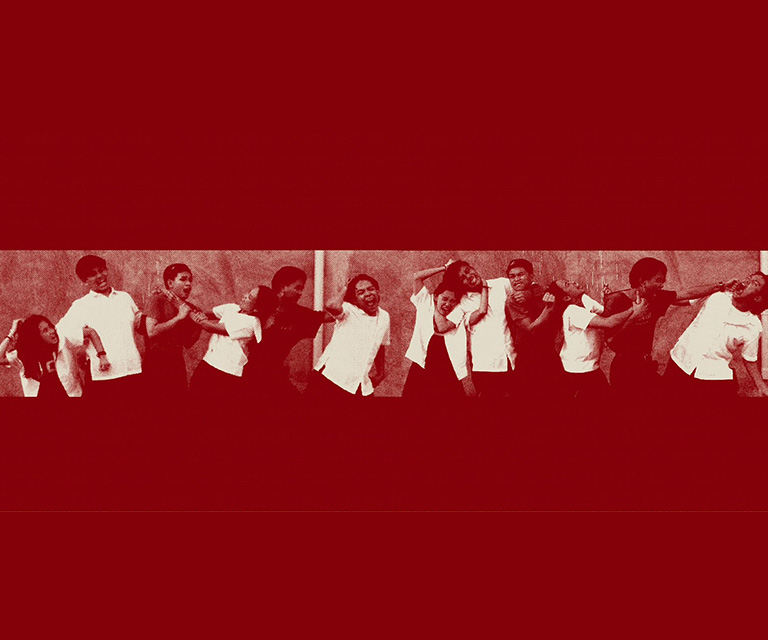
At the end of the day, your storytelling is what resonates. Lean on your peers—ask them to read your drafts, tear them apart, and give you honest notes. Submit your scripts to writing workshops and embrace the rewrite process.
A truly gripping script will shine through, even if it’s captured on the cheapest camera available.
The Power of the Creative Collective
For student and amateur creators, financial constraints are bound to collide with production schedules. But isn’t overcoming that exactly why we collectivize?
If your core goal is to tell a story, your greatest asset is your ability to mobilize people, not capital.
Low-budget filmmaking is tough, but if you can convince a room of passionate people why this story needs to be told, the momentum shifts.
Let’s face it.
If you have the privilege and drive to dream up a film, you can likely find a way to pool together enough resources for basic crew meals and modest honorariums.
A collective of like-minded creatives understands the hustle and is willing to invest their time for the shared vision.
The Philippines boasts incredible platforms for independent cinema, such as the CCP’s Gawad Alternatibo and the Cinemalaya Independent Film Festival. These spaces champion alternative storytelling, offer free screenings, and provide invaluable archiving for independent works.
However, because these festivals are highly competitive, you shouldn’t let them be your only gatekeepers.
If you don’t get in, don’t wait.
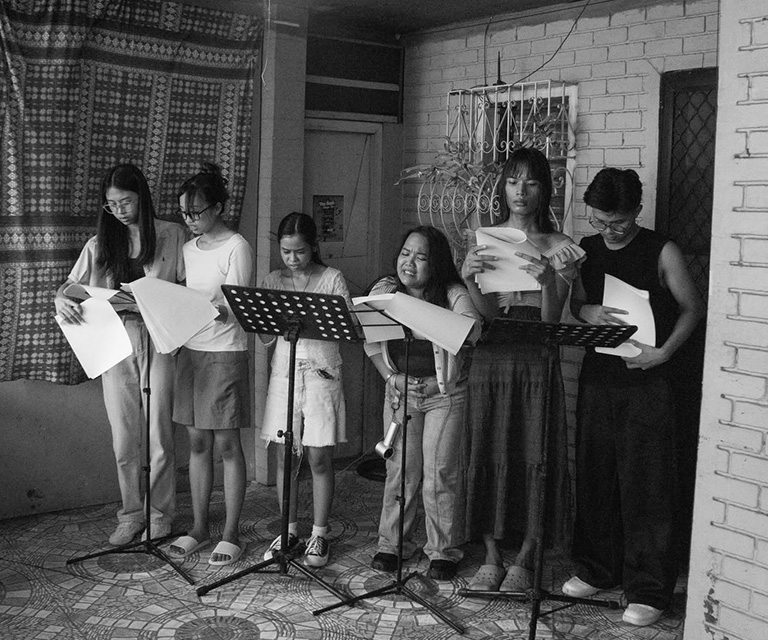
Clear out your living room, invite your friends over, and host your own DIY film screening.
The golden rule remains: don’t wait for permission to create.
Invest in Showing Up
Building a filmmaking career isn’t solely about staring at your own work. You have to actively engage with the community around you.
Make it a point to attend indie screenings, local art markets, and film festivals. Many of these events are free or only require a nominal door fee.
Go there to enjoy the art, but stay to network. Ask fellow filmmakers about their technical workflows, their writing processes, and their philosophies.
Most alternative creative collectives are incredibly approachable and welcoming to fellow writers, directors, and artists.
If you want to get invited into these spaces and eventually get your work featured, you have to put yourself out there first.
Just Write (and Figure the Rest Out Later)
Get that script across the finish line.
Your first draft is probably going to be rough—and that’s completely fine.
Hand it over to a trusted friend and ask the hard questions:
Does this resonate? What’s missing? Is the emotional core there?
Once the script is locked and you have a handful of passionate people who simply want to make art, the rest of the pieces will fall into place.
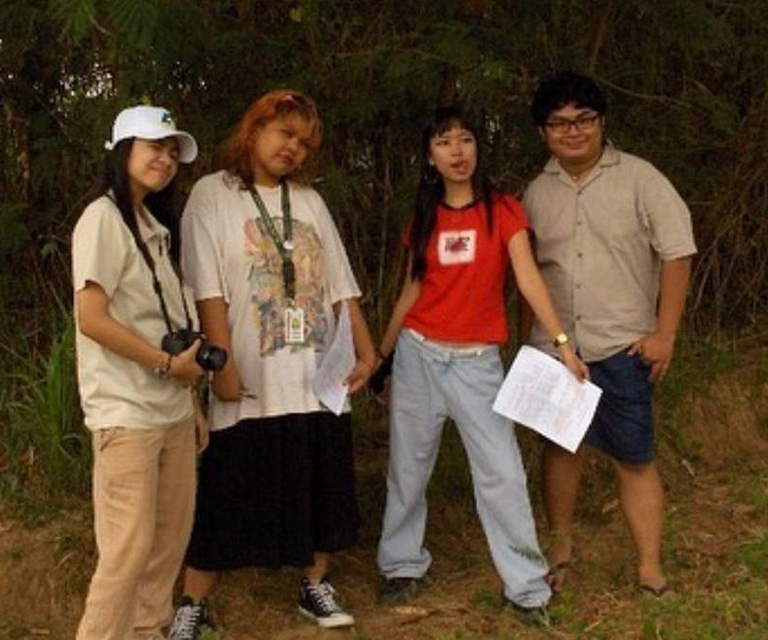
As for the camera? Look around.
Who doesn’t have a lens in their pocket or a friend willing to lend a DSLR in this day and age? The tools are already in your hands.
Read more Stories on Simpol.ph
On Limiting Festival Rituals: The Loss of Communal Act with Wattah Wattah Festival
Gab Cabangon is pondering on his band roots with angst-fueled track “Ikot Ulit”