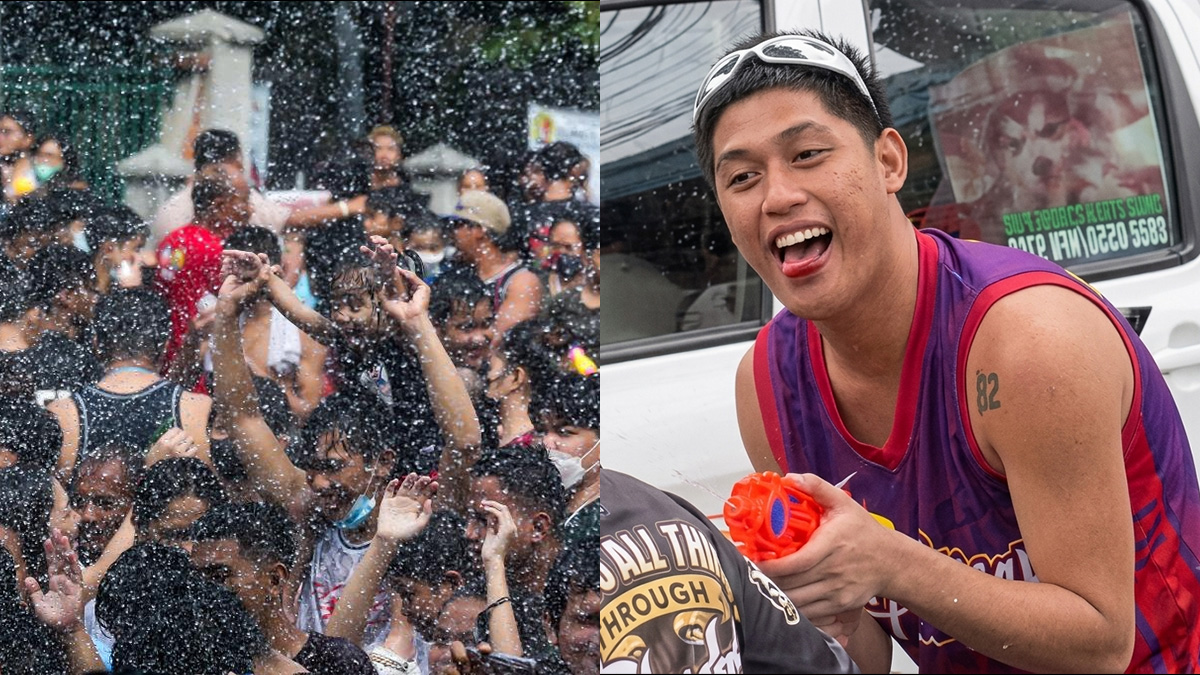
Do stricter festival regulations truly address local anxieties, or are we just also growing tired of practicing our own culture?
In a modern, tech-driven society shaped by Western ideals and economic pressure, convenience often takes precedence.
Real-world concerns, like a random basaan ruining a student’s thesis or an applicant’s job papers—are entirely valid.
Yet, we must also consider whether the dilution of these traditions causes a critical cultural loss for society.
Beyond the Splash
The Wattah Wattah Festival is a profound historical and spiritual celebration honoring Saint John the Baptist. Far from being a mere street-wide water fight, its activities carry deep meaning:
Spiritual Renewal: Water serves as a sacred symbol of purification, blessing, and communal renewal.
Heritage & Art: Vibrant street parades, music, and traditional dances showcase local history, offering younger generations a vital link to their ancestry.
Food & Fellowship: Culinary fairs featuring regional dishes like bagnet, empanada, and halo-halo turn the streets into a space for hospitality.
Community Bonding: The festival reinforces solidarity, allowing families and neighbors to reconnect while welcoming tourists into the community.
The “Boy Dila” Incident
The “Boy Dila” drama needs no introduction.
It all started during the Wattah Wattah Festival on June 24, 2024, when a video surfaced of a resident aggressively spraying a passing delivery rider directly in the face with a water gun, mockingly sticking his tongue out the whole time.
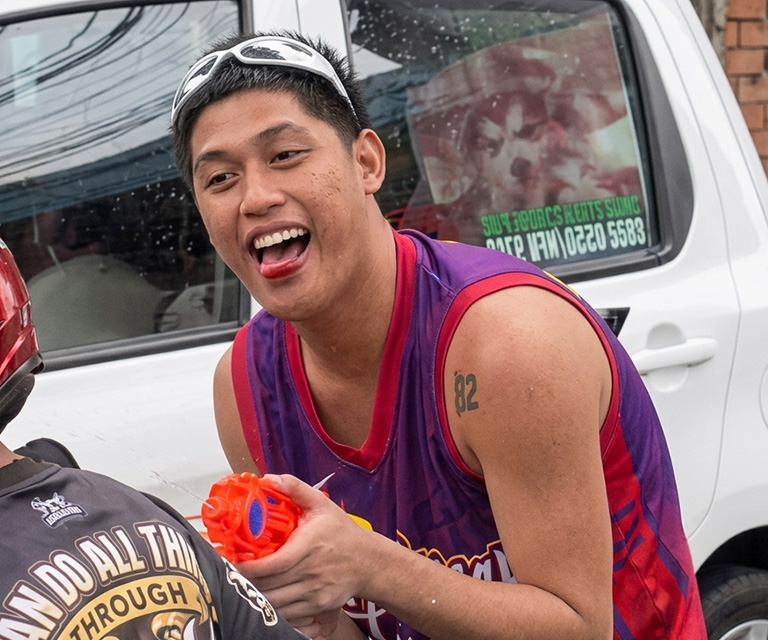
The clip sparked massive outrage online. Netizens everywhere called it out, arguing that this wasn’t just playful festival fun anymore. It was reckless harassment targeting a working commuter.
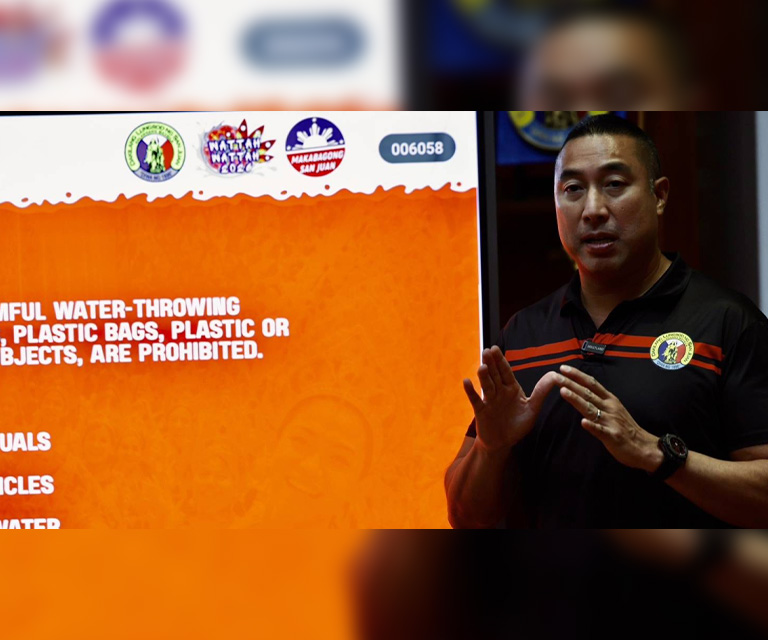
Fast forward to the 2026 festival, and the San Juan City Government has officially had enough.
To fix the safety issues and get things organized, they’ve moved the major water activities off the traditional June 24 feast day and rescheduled them to a managed preparation day on June 23.
The Limiting Regulations: Order vs. Solidarity
This year’s celebration of the Wattah Wattah Festival was “disciplined,” according to San Juan City Mayor Francis Zamora.
Just last year, in 2025, the city’s annual tradition of dousing themselves and other people with water to celebrate the feast of Saint John the Baptist gained flak last year after incidents of disorder and recklessness.
As of 2 p.m., there are no untoward incidents of passersby getting doused with water by fiesta-goers, a far cry from last year’s events,”
Zamora said in a statement.
I’m proud of how our citizens, guests, and city departments came together to ensure a festive yet disciplined celebration,”
Zamora stressed.
While these adjustments protect commuters and ensure public order, they come with a cultural cost.
First of course is the erosion of the communal spirit. Sanitizing and heavily regulating the ritual alters its spontaneous, unifying nature. While, some of us, prefer comfort over connection, These limits highlight a contemporary shift where personal autonomy and individual comfort are prioritized over collective experiences and mutual responsibility.
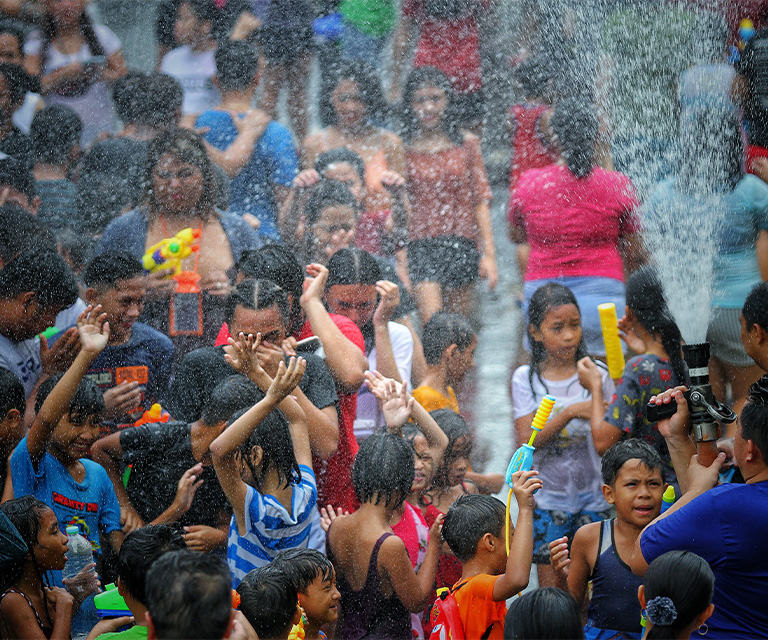
Finding a balance between modern safety and cultural preservation remains the vital challenge of our times.
The challenge of the times now, is not to blindly reject safety regulations.
Nor is it to passively allow our traditions to die out for the sake of convenience. The main act is in a compromise that respects both individual boundaries and collective heritage.
If we completely eliminate the friction of our cultural practices, we may find ourselves living an easier life
—but it will be a life detached from the vibrant, communal solidarity that makes and defines our Filipino being.
Read more Stories on Simpol.ph
VETMED Student and Viral Creator LANS is the Newgen’s “Sineskwela”