Filipinos of all backgrounds reach for words like charot, churva, and echos in everyday speech.
However, many do not know where these words came from. They originate from Swardspeak, a coded language that the LGBTQ+ community developed in the 1970s for protection. Over time, it became a staple of everyday Filipino speech.
This journey from the margins to the mainstream goes beyond language. It reflects how queer Filipinos have shaped nearly every area of Philippine culture.
Language
Many terms come from the names of celebrities and brands, making it a language of inside jokes and subversion. The community built it so only those who needed it could understand it. However, its regular use in gay-friendly spaces drew in younger generations.
Soon, youth brought these words into their daily lives, often without knowing their origins.

This cultural crossover had a massive impact. Swardspeak did not enter the Filipino vernacular as mere slang. Instead, it changed how Filipinos communicate humor, tenderness, and shade. It gave the language a completely new register.
Ironically, queer Filipinos built this speech to resist the dominant culture, but the dominant culture eventually adopted it.
Beauty and Fashion
Over the past decade, queer creatives have moved to the center of the Philippine beauty industry. Today, their presence defines the market. They work as stylists for national beauty queens and as makeup artists shaping pop culture.
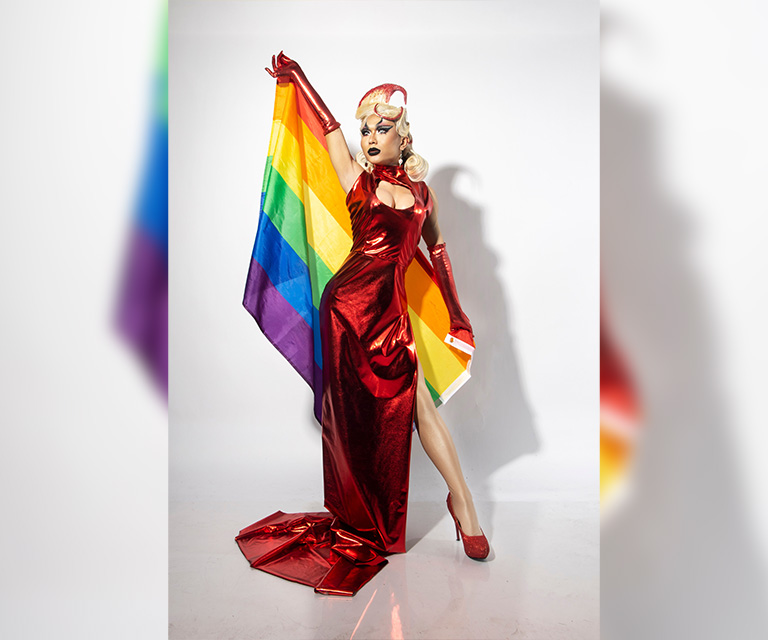
Queer spaces developed and refined the aesthetic standards and techniques that most Filipinos now take for granted. Only later did these trends cross over into the mainstream.
I hope that queer creatives in the beauty industry can inspire greater diversity of beauty standards in the Philippines,”
says Paul Nebres for MEGA.
Visual Arts
Queer Filipino artists have expanded the boundaries of Philippine visual art. They brought questions of identity, the body, and belonging into traditional spaces.
Queer-led exhibitions and community art spaces built vital infrastructure for independent artists. Thanks to their work, these themes have gradually become part of the broader conversation in Philippine contemporary art.
Film
Philippine independent cinema warmly welcomes queer storytelling. The industry produces a body of work that grows steadily in both range and ambition. Directors like Cris Pablo helped build this space. Over the last decade, film themes have broadened considerably.
This continuous representation has normalized queer narratives.
Filipino audiences now expect to see complex queer lives on screen, raising the bar for modern filmmaking.
Television and Media
Philippine entertainment has long had a complicated relationship with LGBTQ+ talent. Historically, media depictions relied heavily on stereotypes for cheap laughs or sensationalism.
The bakla figure became a stock character who rarely led his own story. Change came when primetime programming began incorporating authentic queer personalities and storylines.
This shift allowed the community to reach households that might never have engaged with them otherwise.
More Than Representation
A 2023 Social Weather Stations survey found that 73% of Filipinos agree that gays and lesbians contribute a lot to societal progress. These numbers reflect decades of LGBTQ+ cultural presence across many fields.
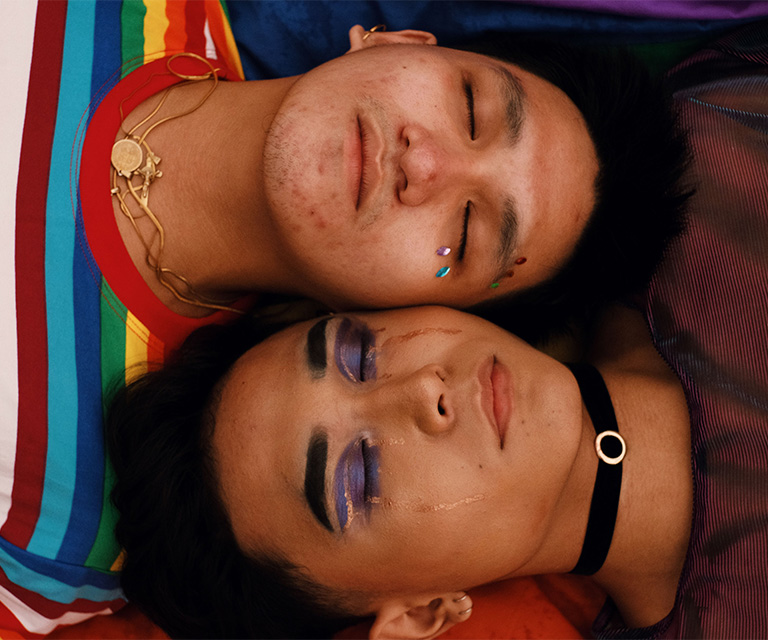
The words we speak, the aesthetics we consume, and the tastes we develop all stem from the LGBTQ+ community.
Philippine culture has absorbed their influence completely.
Today, queer roots are impossible to separate from what it means to be Filipino.
Read more Stories on Simpol.ph
The Unspoken Dialect of Fatherly Love
Sometimes, Love is Tatay Showing Up and A Pasalubong After a Long Day