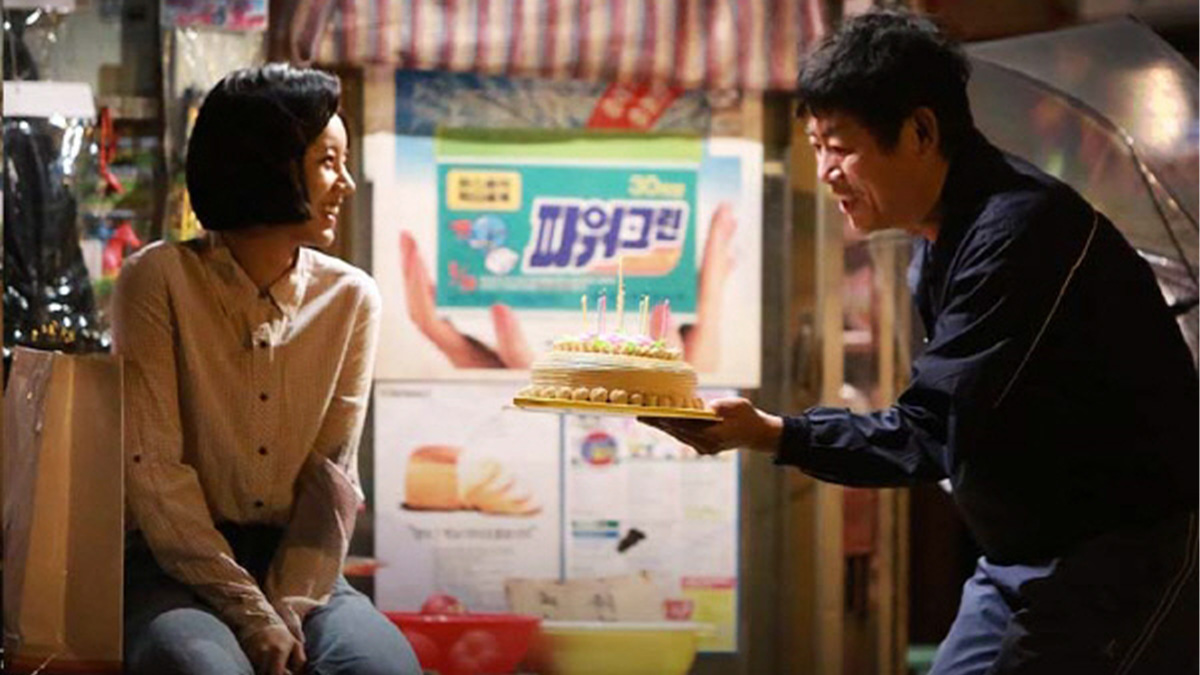
The most Filipino thing a parent can do is bring pasalubong. There is a quiet, beautiful predictability in the way a Filipino father returns home.
No matter how exhausting or soul-crushing his day at work was, a Tatay rarely walks through the front door empty-handed.
In the Philippines, this act has transcended a mere habit. It has become a deeply ingrained, almost automated love language. Filipino parents, and fathers in particular, have mastered this instinct.
Whether it is a grand balikbayan box from an overseas stint, a box of donuts, a plastic bag of street food, or just a random bundle of fruits he bought from a roadside vendor during a heavy commute
—if his hands are full, his family knows his heart is too.
The Filipino Spirit of Giving
The Filipino spirit of giving weaves this “automation” directly into its fabric.
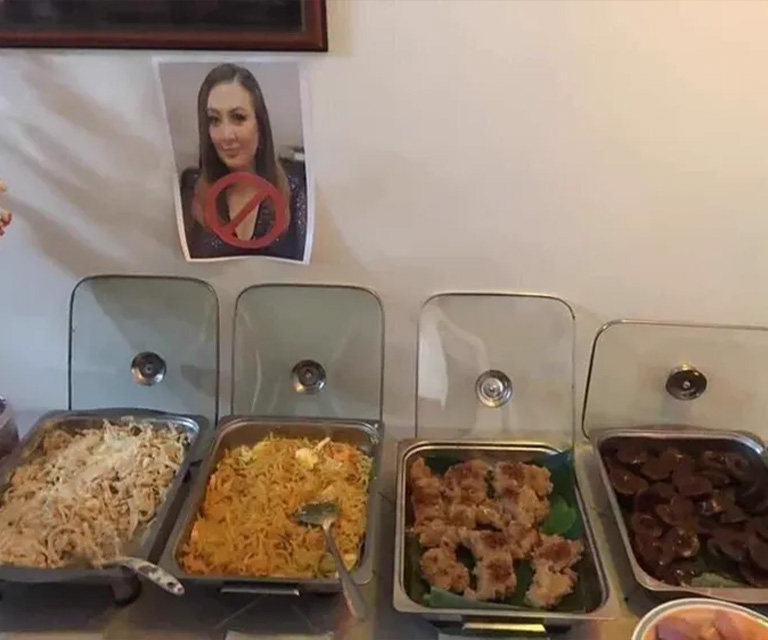
In our culture, love and food are fundamentally inseparable. We see it in our leftover rituals like the classic “Sharon”, where guests carefully wrap up food from a handaan specifically to bring home to those who couldn’t make it.
Filipinos do not reserve giving solely for Christmas or special holidays. It is a daily rhythm.
Pasalubong In Many Forms
Traditional Filipino culture often raises fathers to be stoic provider figures, making a pasalubong far more than a simple treat. It is the quiet fulfillment of their emotional duties.
Because verbalizing affection does not always come easily, a Tatay funnels his love, protection, and thoughtfulness directly into the uwi, transforming resourceful offerings like backyard fruits, local specialties, comforting kakanin, or practical handmade crafts into a silent language of presence.
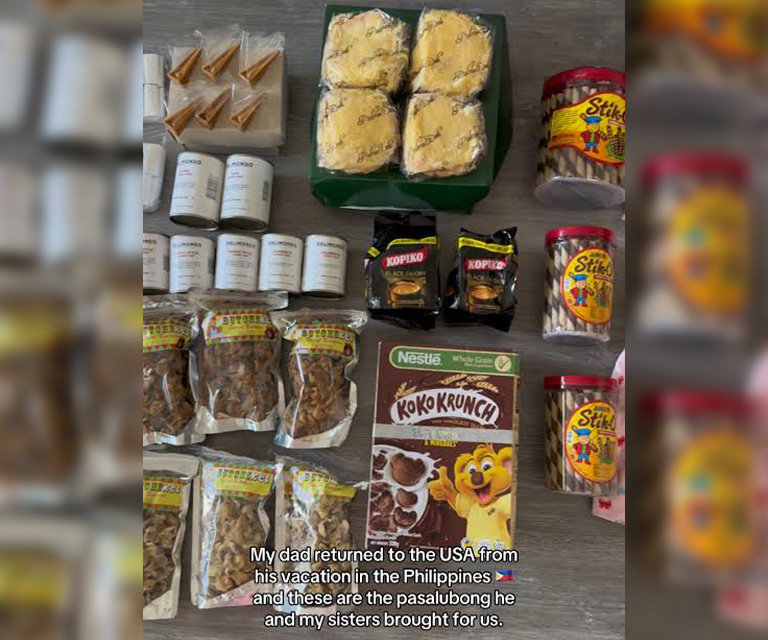
These tokens serve as tangible proof that to be absent in body during a long, grueling day of labor does not mean being absent in heart. By carrying that plastic bag or rustic bundle through the front door, a father ensures he serves his devotion to his family, even when it remains unspoken.
Tatay Duties
For many traditional Filipino fathers, vulnerability does not come easily. They often grow up as the stoic pillars of the household—providing financial security, physical protection, and a silent, steady presence.
Words might rarely cross their lips. Instead, they funnel their sweet, thoughtful side entirely into the uwi.
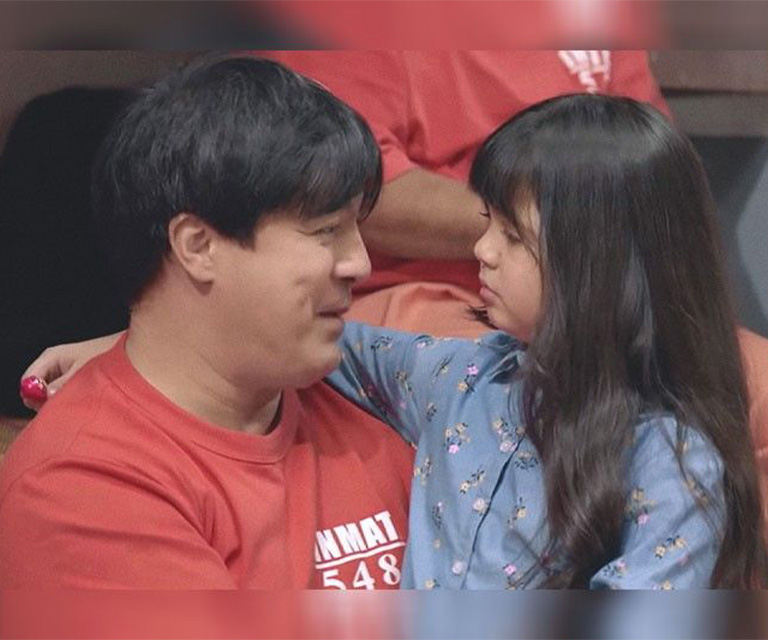
Pasalubong has become a device for a father’s unspoken love. It is an act of service that speaks volumes in the silence of the evening.
In the eyes of every Tatay, he does not have to speak care; rather, he serves it on a plate, unwraps it from a plastic bag, or pulls it from a pocket. It is his way of saying,
I survived today, and I did it for you”.
Read more Stories on Simpol.ph
The Unspoken Dialect of Fatherly Love
Honoring Fathers with Coastal Adventures at Pico de Loro Cove