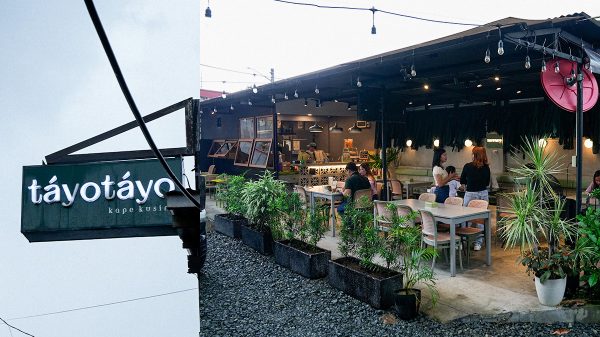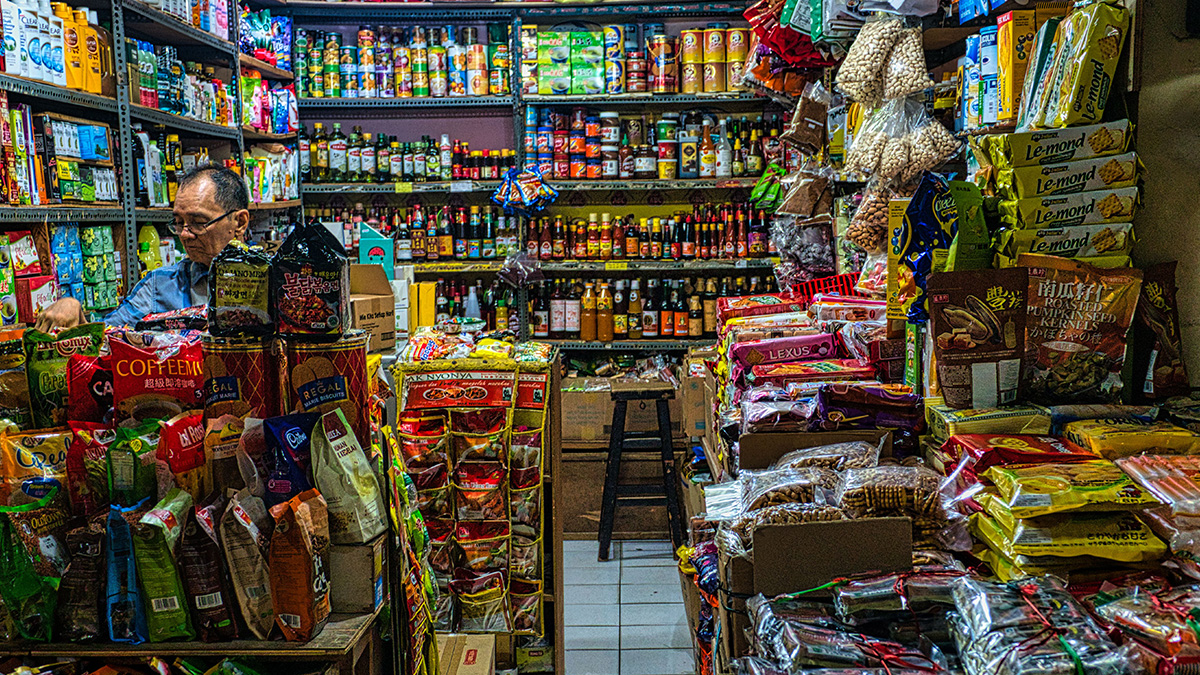
It starts with the familiar, metallic rattle of an aluminum gate being slid open at 6:00 AM. A plastic stool scrapes against cemented pavement, followed by the heavy thud of a wooden bench being pulled out to face the street.
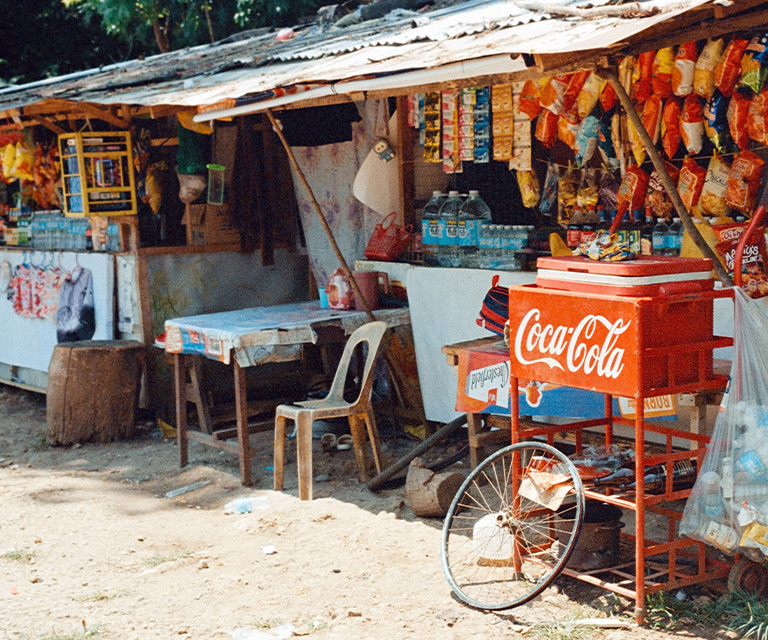
For generations, the Filipino sari-sari store has been a staple of every neighborhood. It is where you run to buy a single egg for breakfast, a pack of pancit canton, or a split-second cure for a midnight fever. But step into a corner store today, and you will notice something has fundamentally shifted.
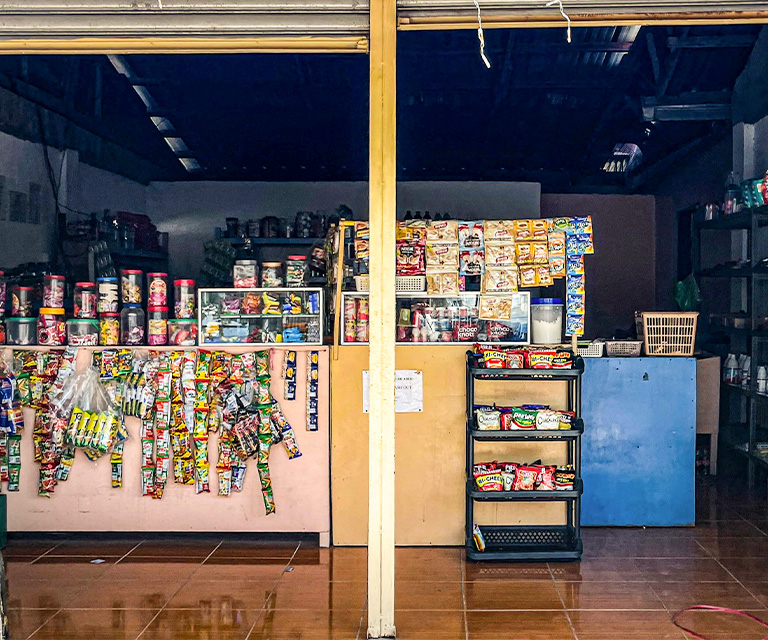
Taped (sometimes nailed) right beside the dusty jars of candies and rows of hanging shampoo sachets is a laminated piece of paper with a printed QR code.
Welcome to the twenty-first-century sari-sari store, where micro-entrepreneurs across the metro are proving that surviving the digital age isn’t about massive capital or corporate overhauls—it is about relentless, creative diskarte.
The Cashless Corner
Across countless residential blocks in cities like Marikina, Quezon City, and Manila, small-business owners who spent decades managing purely physical cash are facing a completely different daily routine. The logistical hurdles have changed: keeping enough coins in a tin can for loose change has expanded into updating mobile wallet limits and managing digital floats.
At first, the transition came with hesitation. The fear of digital scams, unfamiliar interface layouts, and misrouted taps made many seasoned neighborhood vendors wary of going cashless. But consumer habits shifted overnight. When neighborhood regulars—from high school students buying afternoon snacks to motorcycle taxi riders picking up quick refreshments—started pulling out their phones instead of bills, the corner store had no choice but to evolve.
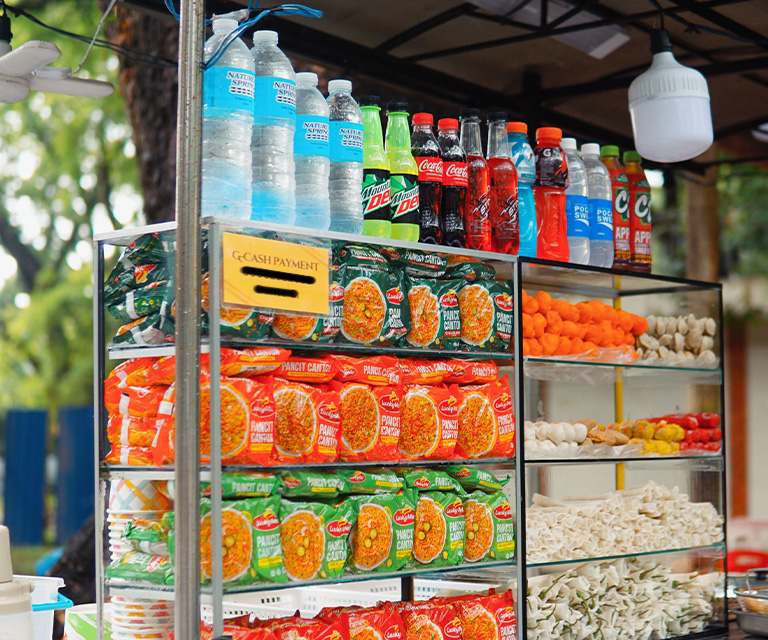
Today, the neighborhood sari-sari store has quietly transformed into a full-service financial hub. In communities where walking to the nearest bank branch or ATM requires a jeepney ride and a lost afternoon, these micro-retailers have stepped in as the proxy ecosystem. Beyond selling tingi-sized coffee and biscuits, storefronts now routinely process cash-ins, cash-outs, online shopping pickups, and digital utility bill payments.
The humble sari-sari store didn’t get displaced by e-commerce—it weaponized it, becoming the localized physical anchor for a digital economy.”
The Architecture of Trust
Why haven’t corporate convenience store chains completely wiped out the neighborhood sari-sari store? After all, corporate giants offer air-conditioning, standardized inventory, and bright fluorescent lights.
The answer lies in a currency that corporations cannot replicate: relational equity.
A corporate convenience store will never know your regular preferences by heart. A cashier at a multi-national franchise will not hand over a loaf of bread to you just because you asked with a gentle “pautang po muna, bukas ko na bayaran” because your payday falls on a Monday.
The digital evolution of the sari-sari store hasn’t stripped away this warmth; if anything, it has deepened it. When micro-retailers use digital tools, they aren’t just modernizing their operations—they are protecting their margins. By utilizing apps for inventory tracking or digital group-buying chats with wholesalers, they cut down on middleman costs, allowing them to keep their prices low enough for their neighbors to survive inflation.
It is a delicate dance between high-tech survival and high-touch community building.”
One QR Code at a Time
As evening settles over the neighborhood, the orange glow of a single incandescent bulb spills out onto the street. A teenager taps his phone against a printed QR code to pay for a cup of instant noodles, while an elderly neighbor sits on the wooden bench, sharing stories with the store owner about the rising price of onions. The setting is timeless, but the infrastructure holding it together is entirely modern.
In a country constantly navigating economic turbulence, the sari-sari store remains a masterclass in adaptability.”
It reminds us that progress doesn’t always look like gleaming skyscrapers or automated hubs. Sometimes, progress looks like a local vendor leaning over a tiny counter, mastering a digital wallet so they can keep their family afloat—one transaction, one neighborhood bond at a time.
Read more Stories on Simpol.ph
Perfection in Dining is Officially Overrated
Which is harder, to be an Artist or to not be one in the Philippines?
The Heart of Retiro: Why the Original Pares Mami House Still Feels Like Home