If you have the time, try asking any kid out there what their dream career or job is. Surely they’ll say either to be a “content creator” or a “social media vlogger”.
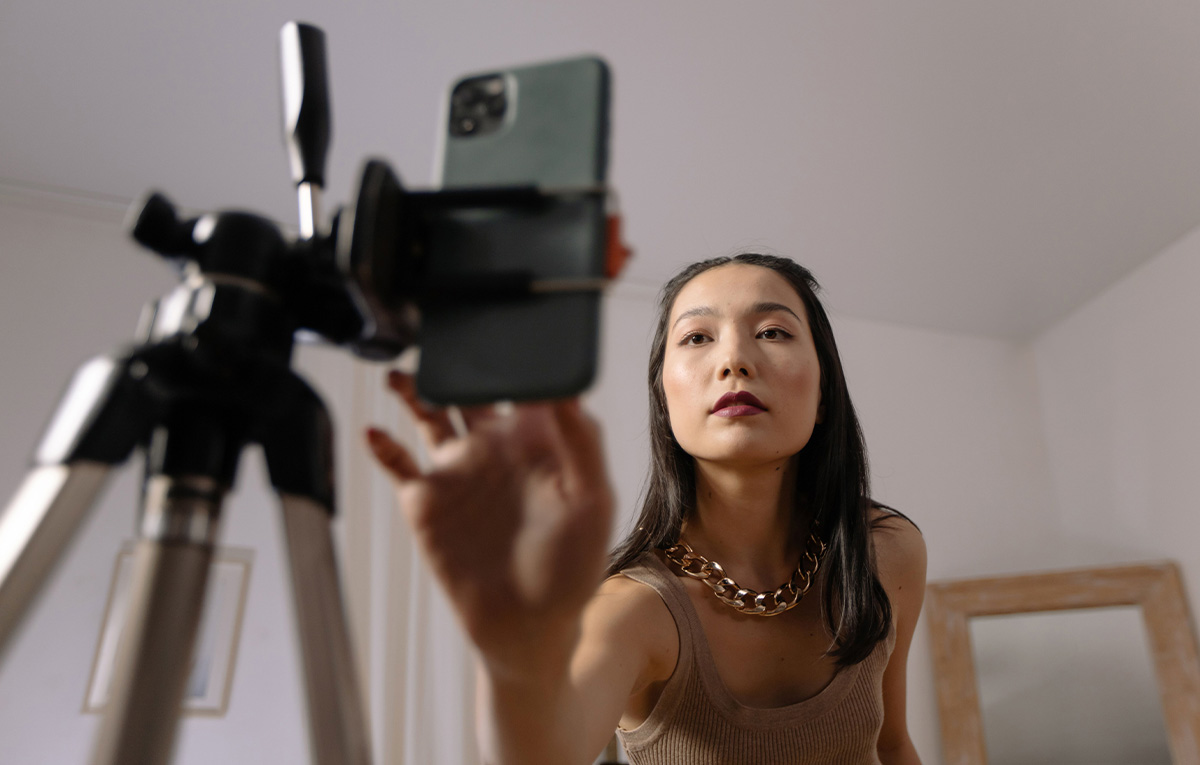
Wherever you go, whether stepping onto any train or walking into any neighborhood café, you will see it. A young woman holding her phone at a precise 45-degree angle, whispering to her front-facing camera about her “cozy slow-morning routine.” Down the street, a guy is propping his phone against a water bottle to record an “outfit of the day” transition video.
They aren’t famous—at least, not yet. But they are acting exactly like they are.
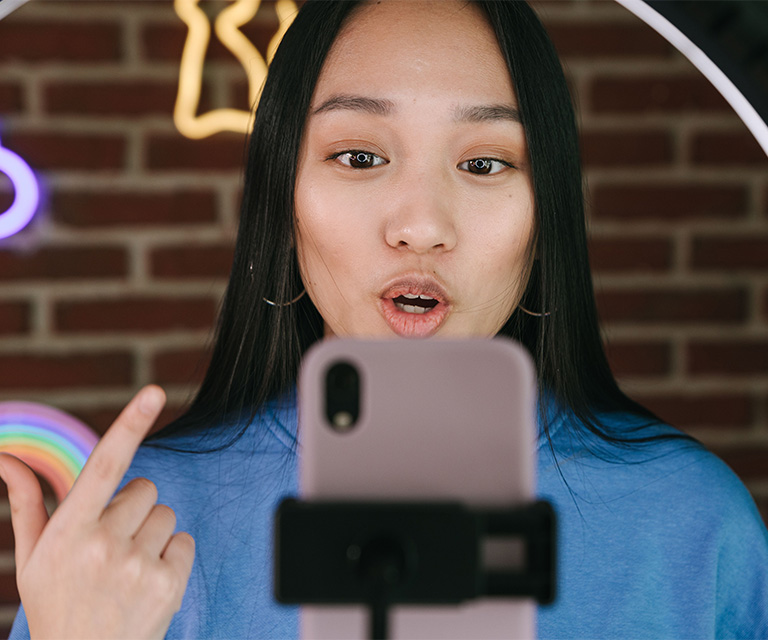
The Main Character Matrix
Nowadays, the people have entered an era where the boundary between living life and broadcasting has completely dissolved. The dream job of the modern youth is no longer to climb the corporate ladder, but to build a digital empire.
But beneath the surface of this creator gold rush lies a deeper, more fascinating shift. Even the people who aren’t trying to be famous are suddenly acting like they have an audience.
The Death of the 9-to-5 Dream Life
For decades, the standard aspirational answer to “What do you want to be when you grow up?” was a stable rotation of doctors, lawyers, teachers, or pilots.
Today, the global creator economy has grown into a staggering $205.81 billion industry, and the career goals of Gen Z and Gen Alpha have shifted dramatically. In survey after survey, becoming a content creator, vlogger, or social media personality ranks as a top career choice for young people. Often outpacing traditional corporate professions.
And honestly? It’s hard to blame them.
The younger generation has watched traditional career paths lose their luster. They’ve seen older millennials drown in corporate burnout, stagnant wages, and the slow erosion of the traditional work-life balance. In contrast, content creation offers autonomy, creative expression, and immediate financial reward.
To a 17-year-old, a life spent filming aesthetic cooking videos or reviewing tech gadgets looks like the ultimate reclamation of personal freedom. It’s entrepreneurship wrapped in a ring light and high-tech cameras.
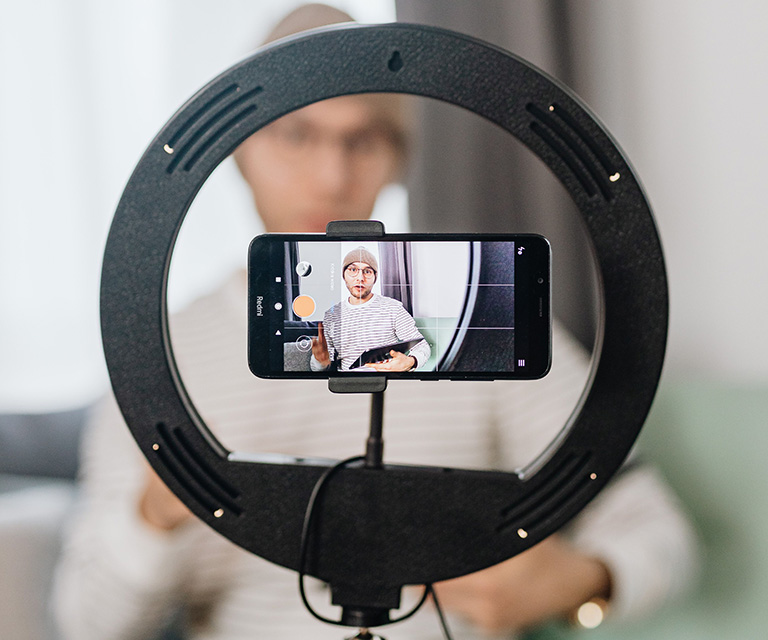
Social Media Evolution
In the early days of social media, your feed consisted of people you actually knew. If you posted a video, only your friends saw it. But the rise of hyper-sophisticated, short-form video algorithms changed the rules of engagement.
Now, platforms don’t care who your friends are. They care what keeps eyes glued to the screen. The algorithms act as a selection process that rewards a very specific type of performance. High-energy, ultra-relatable, hyper-paced, and deeply intimate “vlogger-style” delivery.
Because the algorithm distributes content to total strangers, every single post you make is effectively a public audition for virality. The users have realized that to be seen by the machine, they must adopt the language of the machine. They mimic the pacing, the hand gestures, the vocal fry, and the “Get Ready With Me” story arcs of professional creators because that is what the algorithm feeds us.
The people aren’t just consuming the influencer lifestyle, the internet has trained them to perform it.
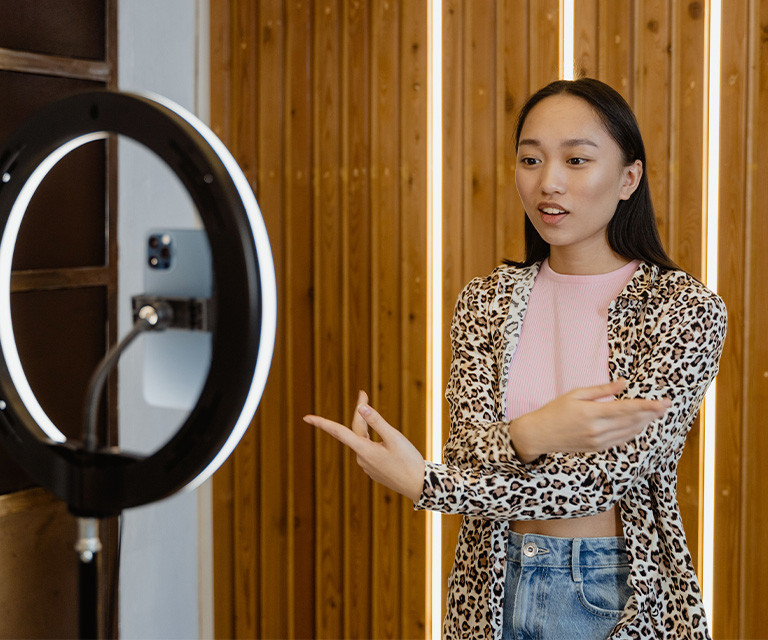
The Side Effects of the “Curated Self”
This shift isn’t just changing their screen time; it’s rewiring their psychology and altering the fabric of communities.
When life must be documented to be validated, the people stop experiencing events and start managing them. A beautiful dinner is no longer just a meal, it’s a content waiting to be produced. A vacation is no longer a rest; it’s a monetized and captured trip. They are constantly stepping outside of our own bodies to ask: “How will this look to a stranger scrolling on a phone?”
As author Kyle Chayka notes in his exploration of algorithmic culture, platforms tend to promote “ambient and least disruptive” content to keep people scrolling. When everyone optimizes for the same algorithm, culture begins to flatten.
Cafés across the globe start looking identical with minimalist wood, neon signs, and monstera plants. People begin speaking in the same internet-slang dialect, wearing the same micro-trends, and reacting with the same manufactured enthusiasm.
Also, treating your life like a media brand is exhausting. Professional creators are facing unprecedented levels of burnout and anxiety due to the relentless demand of the algorithm. When everyday citizens adopt this mindset, they bring that same performance anxiety into our personal lives.
And lastly, platforms now heavily reward “authenticity” over hyper-polished glamour. But the moment you try to look authentic for a camera, it becomes a performance. They are working harder than ever to look like they’re not trying at all.
Reclaiming the Unseen Life
There is nothing inherently wrong with dreaming of a creative career online. Content creation has democratized media. It allowed marginalized voices to find global audiences, and fostered beautiful subcultures based on niche passions. It is a legitimate, highly demanding, and often brilliant form of modern entrepreneurship.
But perhaps the real challenge of this generation is learning when to turn the camera off.
There is profound joy in the unedited, unmonetized, unposted corners of life. The messy kitchen that doesn’t fit the aesthetic. The hobby you suck at but love anyway. The inside joke shared with a friend that will never be turned into a relatable meme.
As the current generation navigates this brave new digital world, maybe the ultimate act of rebellion isn’t going viral. It’s being perfectly content with remaining completely invisible to the algorithm.
To live a life that is strictly for an audience of one.
Read more Stories on Simpol.ph
The Great Regress: Childhood Pastimes to Cure Modern Burnout
The Kanto-Chic Revolution: Why Modern P-Pop is falling back in love with Novelty