Move over, midnight drinks and crowded clubs. There is a new social ritual dominating the weekends, and it smells less like expensive cologne and more like fresh sweat, sunscreen, and premium roast coffee.
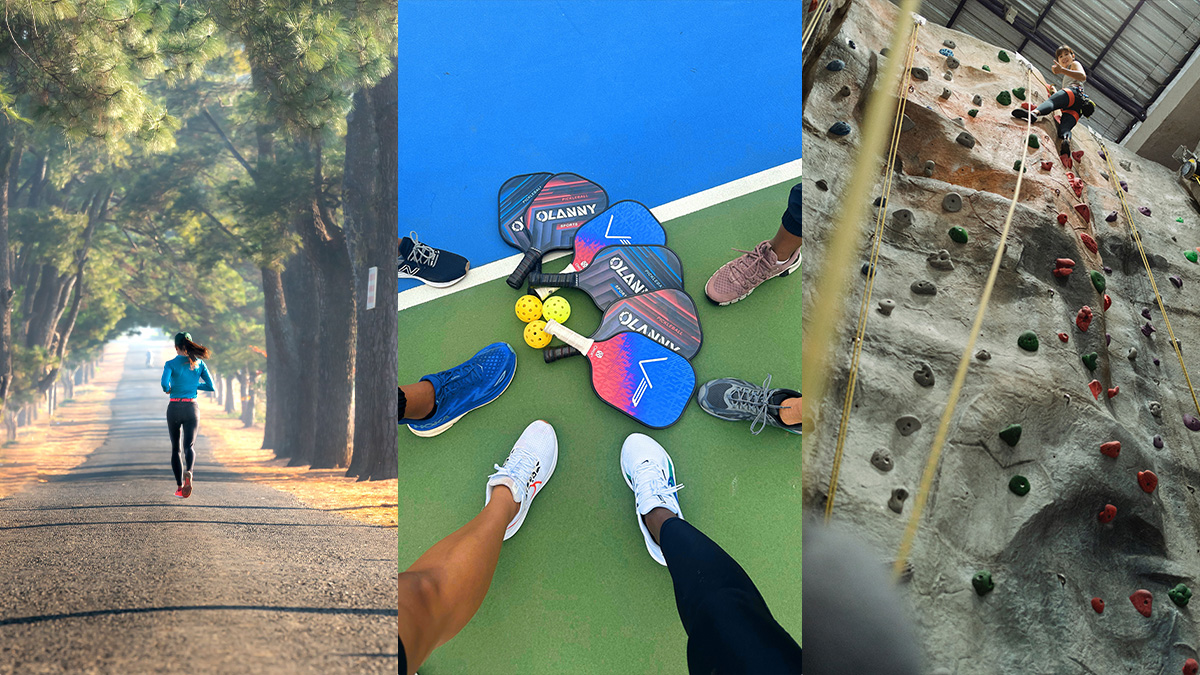
Everywhere you look, people are lacing up carbon-plated running shoes, swinging graphite paddles, and chalking up their hands to scale vertical walls. Wellness is no longer just a buzzword whispered in high-end spas or relegated to silent meditation retreats. It has officially gone mainstream, transforming from a private, chore-like routine into a vibrant, communal lifestyle.
But why is everyone suddenly obsessed with wellness as self-care, and how did hobbies like running, pickleball, and wall climbing become the ultimate status symbols of modern adulting in the Philippines?
From “Fixing” to “Feeling”: The Modern Shift in Self-Care
For a long time, the traditional view of self-care was reactive. You got burnt out, so you booked a massage. You felt sluggish, so you went on a restrictive diet.
Today, the mindset has shifted from reactive maintenance to proactive lifestyle design. In an era defined by hyper-connectivity, grueling screen times, and the relentless hustle of a 24/7 digital world, wellness has become a form of active resistance. It’s no longer about looking a certain way. It’s about protecting how you feel.
People are realizing that true self-care isn’t passive. It’s an investment in mental clarity, emotional resilience, and physical autonomy. And increasingly, Filipinos are finding that the best way to disconnect from the digital noise is to reconnect with their bodies, and each other.
As they say, the city craves for some community.
The Philippine Movement: Community is the New Vitamin
In the Philippines, this wellness revolution has taken on a uniquely vibrant, collective personality. We are inherently social creatures, driven by the concept of bayanihan and a deep-rooted love for community. When Filipinos seek wellness, they don’t just want to sweat in isolation. They want a shared experience.
This cultural DNA explains the explosive rise of three major subcultures currently taking over the local urban landscape.
The Run Clubs: More Than Just Mileage
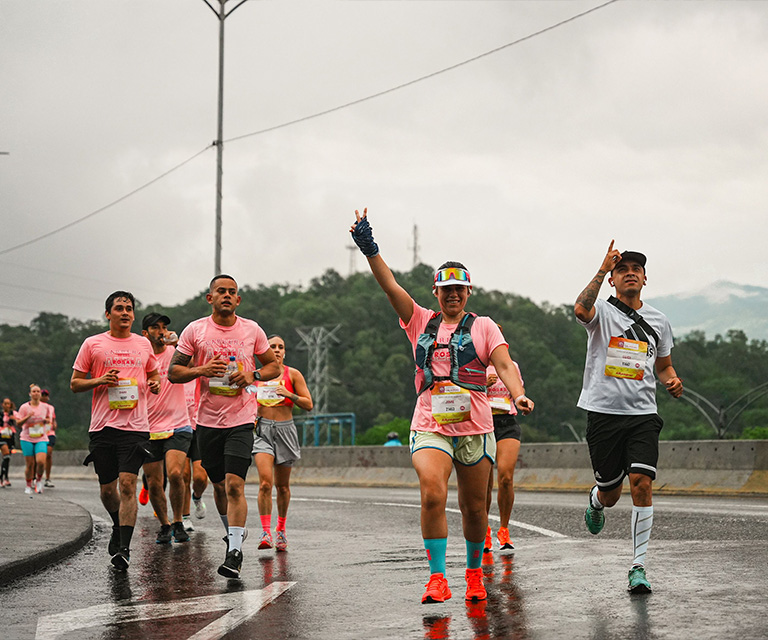
Step outside at 5:00 AM in Bonifacio Global City, Arca South, or anywhere along the Roxas Boulevard promenade, and you will encounter a human wave of running clubs. Groups like Banana Run Club or local neighborhood crew meetups have turned a solitary sport into the new social mixer.
These aren’t intimidating, elite-only athletic gauntlets. They are highly inclusive spaces where a 5km jog is paced with casual chatter, and the ultimate finish line is always a local cafe for iced lattes and pastries. For many young professionals, the run club has replaced the bar as the premier venue to meet new friends, network, and destress after a grueling workweek in the city.
The Pickleball Boom: The Great Equalizer
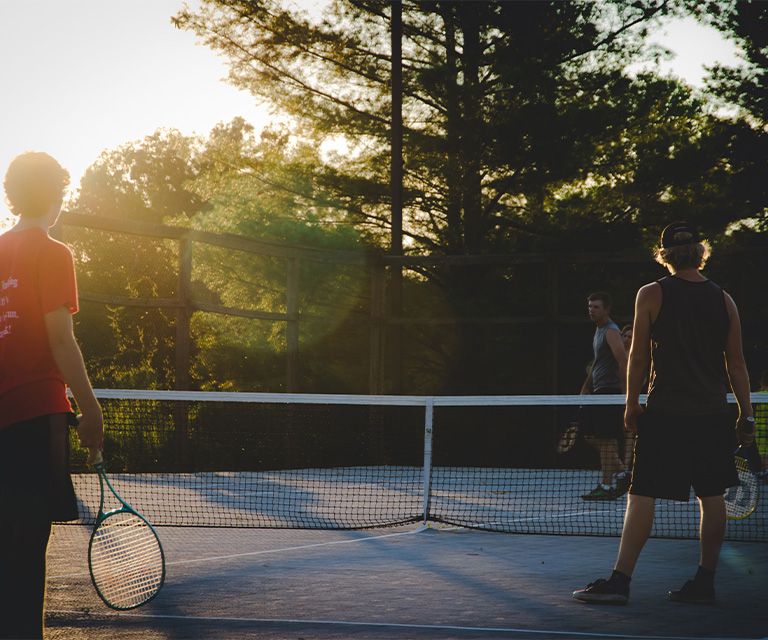
If you’ve noticed local tennis courts suddenly being subdivided into smaller zones filled with the distinct pop-pop sound of plastic balls, you’ve witnessed the pickleball phenomenon. It is arguably the fastest-growing sport in the country, and for good reason.
Pickleball lowers the barrier to entry for racket sports. It’s easy to learn, intensely fast-paced, and incredibly fun. Communities across Metro Manila and regional hubs have embraced it because it bridges generations.
You’ll see Gen Z content creators playing alongside titos and titas. It offers the perfect hit of endorphins combined with casual, court-side banter, making it the ultimate playful stress-reliever.
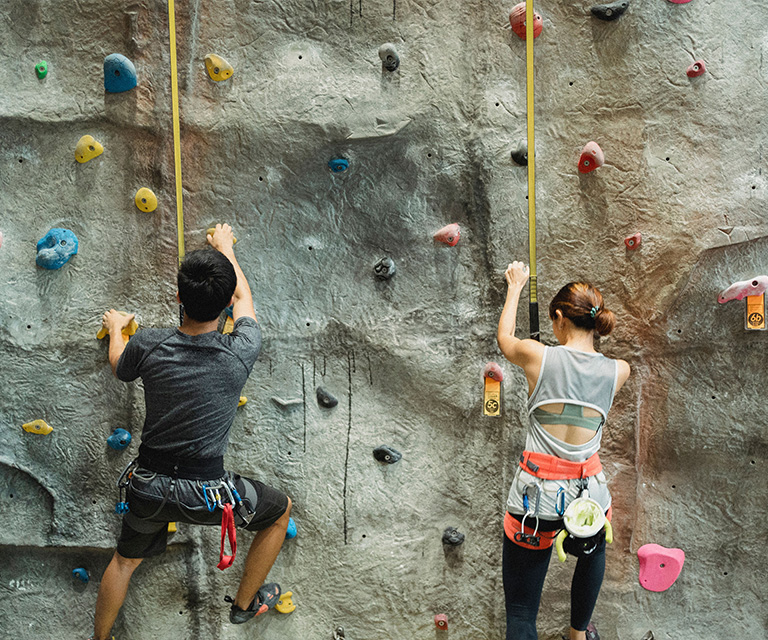
Wall Climbing: Scaling New Heights of Focus
For those looking to trade the horizontal streets for vertical challenges, indoor bouldering and wall climbing gyms like Climb Central or The Bouldering Hive have become absolute sanctuaries.
Climbing is unique because it demands absolute, uninterrupted presence. When you are hanging onto a tiny resin crimp two stories above the ground, you physically cannot think about your unread emails or your upcoming presentation.
It forces a state of “flow.” Moreover, the climbing community in the Philippines is famously supportive. It’s a common sight to see total strangers standing at the bottom of a wall, cheering you on and helping you “solve the problem” of a difficult route.
A Healthier Social Fabric
Ultimately, the surge in these specific activities highlights what the modern Filipino craves most. Connection, play, and purpose. The modern Filipinos are redefining what it means to take care of themselves, inside and out.
It’s no longer about isolating in a room with a sheet mask. It’s about conquering a steep incline with a crew, laughing off a missed volley on the court, or reaching a high ledge you didn’t think you could hit.
Wellness has become the ultimate form of self-care because it proves that taking care of your health doesn’t have to be a lonely endeavor. In fact, it’s a lot more fun when you’re doing it together.
So, what are your plans for the weekend?
Read more Stories on Simpol.ph
A Morning at the HOKA Speedgoat 7 Trail Launch
Run, Forest. Run! JCI Manila’s ColorFest 2026 for Mental Health Advocacy