Remember how a single massive typhoon could completely wash away our childhood homes, destroying old Kodak photos and leaving our ceilings leaking every time it rains hard?
It makes you wonder if we’re somehow at fault for holding on to the places we love.
Climate anxiety is very real, even if we try to brush it off by buying emergency gear. But honestly, how long can we keep living like this?
Studies show that young Filipinos suffer from some of the highest levels of eco-anxiety globally, with 84% reporting that they feel extremely or very worried about the climate crisis.
Is Climate Anxiety A Thing?
At its core, climate anxiety is that lingering fear, stress, and helplessness brought on by environmental damage. In the Philippines, this psychological distress hits especially deep because of our extreme exposure to relentless typhoons, rising sea levels, and disasters. It mostly impacts people who have lived through these events firsthand, with research from the Forest Foundation Philippines highlighting that Filipino youth are the most prone to this kind of climate anxiety.

Growing up in the coastal area of Bulacan, Rhenz knows all too well what it’s like to live with constant typhoons. Reflecting on that experience, he shared,
May tawag pala dun. Sa una ang abstract lang sya sa pakiramdam.”
His words really capture how so many Filipinos have come to view the regular destruction of our homes as just a normal, default part of life.
‘Nature’ Trips
To cope, many of us crave “nature trips,” packing up our gear to pitch tents in quiet, rural towns where life feels simple and healing.
But if we look closer, this escape can be a double-edged sword: while we seek comfort in disappearing green spaces, local residents often lack the land titles to defend their spaces against tourism development.
Pandemic Days: Virtual Nature Experience
We also saw this during the pandemic when getting outside was off-limits, and everyone turned to virtual nature fixes like lo-fi beats paired with forest sounds. A friend who had her online classes in Zoom, Andrea, puts it:
Makes me focused, helps with doing my tasks. Wala ka namang magagawa nung pandemic but to be digital.”
Science actually backs this—studies show that forest bathing and ecotherapy effectively lower stress, and listening to bird songs or flowing rivers offers a great mental breather when traveling outdoors isn’t an option.
Leaning To The Capital
Then there’s the commercial side of coping, where businesses monetize our anxiety with emergency GoBags, windbreakers, and reversible umbrellas.
While these purchases offer a sense of preparedness, deep down we know that buying fancy gear won’t stop a massive flood, especially as we simultaneously face rising threats like droughts and water shortages.
“Bagyo ka lang, Pinoy Kami”
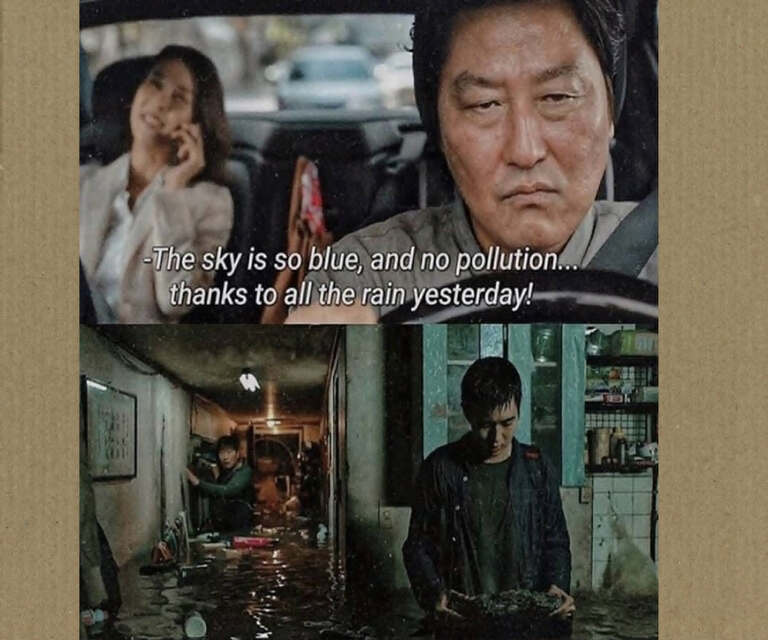
And of course, there’s our go-to cultural shield: humor and memes.

We turn shared struggles into pop culture jokes and rally around the idea of Pinoy resilience—often doing anything except evacuating. But while collectivizing our struggle brings temporary comfort, we have to demand long-term solutions and protect our natural environment.
Today, as resource-heavy AI data centers threaten our land, trees, and water, we have to stand up for our rights and raise the important calls
—because our land is ours, clean water is a fundamental right, and there is no Planet B.
Read more Stories on Simpol.ph
Destination Philippines, Powered by SB19
Bam Aquino Meets Reya Siojo, The ML Player Turned Harvard Scholar
Mary Audrey Amorao Is One Step Away From ANAHAW’s Mission Crew!