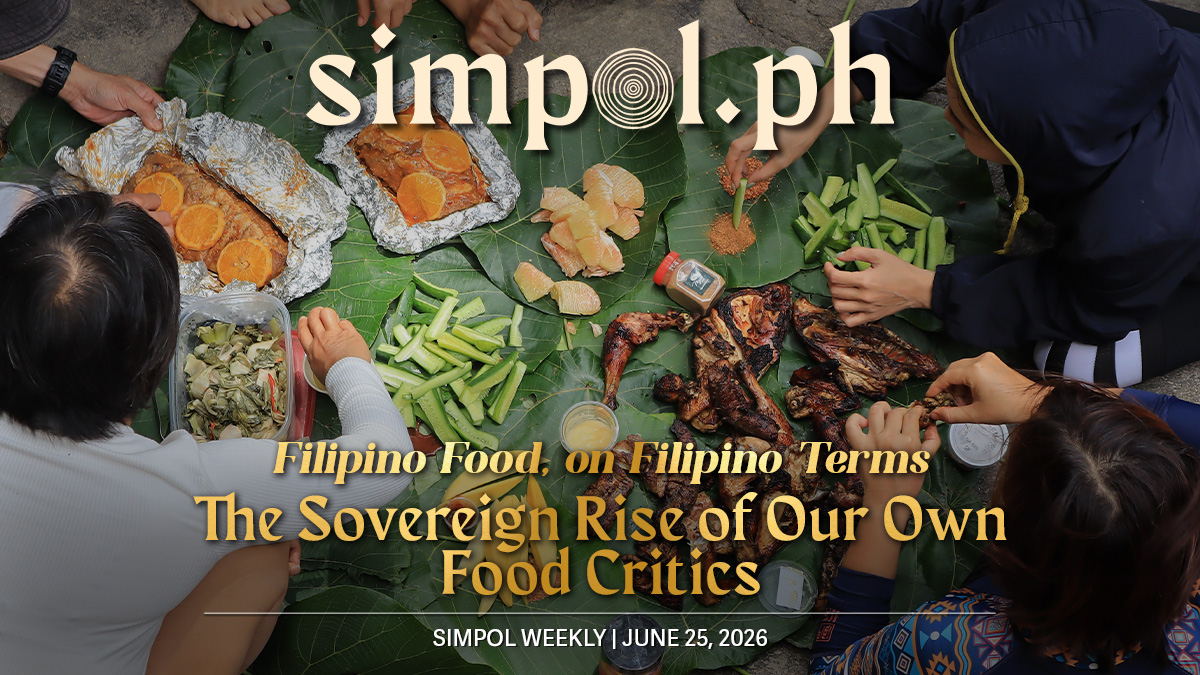
The highest compliment Filipino food could ever receive is from a Western one, or so they say.
The Philippine food industry has long assumed the posture that a restaurant earns its legitimacy only when an international guide begins saying so. The problem doesn’t lie in these guides’ existence. It’s when we treat them as universal measures. That arrangement is now being renegotiated, one review at a time.
The Institutions
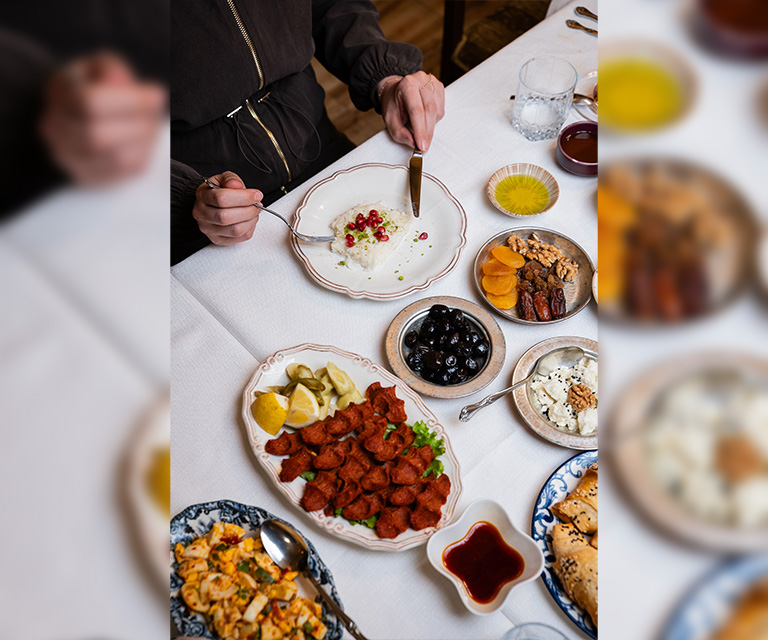
For most of the history of formal food criticism, the authority to declare something worth eating, worth celebrating—was held by a small and largely foreign consensus. The guides in question are not monolithic. Some are rooted in legacy with over a century of institutional weight behind them. While others are newer and more invested in elevating ethnic food on their own terms. But what they share despite their differences is a set of standards for evaluating excellence that was not built with Filipino food in mind.
They invest in the visibility of Asian food at an international level. And for many Filipino chefs and restaurateurs, appearing in their pages represents recognition for their craft. A listing can also change a restaurant’s bookings overnight, attract talent and press, and generate international attention that the domestic food industry cannot produce on its own. To dismiss these guides outright would be to ignore what they have done for restaurants whose work might otherwise never have found a global audience.
But it would be equally incomplete to accept them as neutral arbiters. As what they are not looking for is just as telling as what they are.
The New Guard
Filipino food content creators now draw audiences that dwarf the readership of most traditional food publications. They offer a recognizable point of view and a closeness to their audience that no institutional guide has ever quite managed. Which is part of what distinguishes them from the guides they are increasingly being compared to.
The standards they apply were not borrowed from formal criticism. They were built from the ground up by and for a Filipino audience. The criteria being used to evaluate Filipino food are now finally coming from within the culture itself.
The concern raised most often about this kind of content is that it lacks the standards and accountability that formal criticism is held to. But accountability in grassroots food content takes a different form. An audience of hundreds of thousands is not a passive readership. And creators who mislead or over claim tend to find that out very quickly.
Grassroots creators did not set out to replace that system so much as to work outside it entirely, on terms that make more sense for the food they are actually covering.

The Fine Print
What makes grassroots food criticism trustworthy, however, is also what makes it fragile.
Some Filipino food creators operate under sponsorships and paid partnerships that are not always disclosed to their audience. A restaurant review that begins with a complimentary tasting is not the same as one paid for out of pocket. The difference matters when the audience is making decisions based on the assumption of independence.
This is not a problem unique to Filipino content creators; sponsored content has always been a feature of food media. But the intimacy that makes grassroots food content feel trustworthy is also what makes undisclosed partnerships particularly corrosive to it. The most credible voices tend to be the ones who are transparent about these arrangements. Openly disclosing partnerships and separating paid content from independent reviews.
This transparency is what distinguishes serious food criticism from advertising.

The Highest Compliment
Institutional criticism still carries weight that grassroots content has not been able to displace. But what it has not been able to replicate is the authority of someone who has eaten that food their entire life.
The authority to take Philippine food seriously is no longer concentrated in a single set of hands. The conversation is now taking place across social media as much as it is in the pages of these guides. The food being discussed in those spaces is far more representative of what Filipinos actually eat.
What grassroots food criticism has done is fill that space with something more proportionate to the actual breadth of Filipino food culture. But filling that space responsibly is a different matter. Institutional guides have their blind spots and grassroots creators have their conflicts of interest. Neither one of these is a perfectly neutral observer, and a discerning Filipino diner would do well to hold both to the same standard of scrutiny.
As it turns out, the highest compliment Filipino food could ever receive might just be from another Filipino.
Read more Stories on Simpol.ph
Go Indie. Start Your Film Production With Your Friend’s Camera