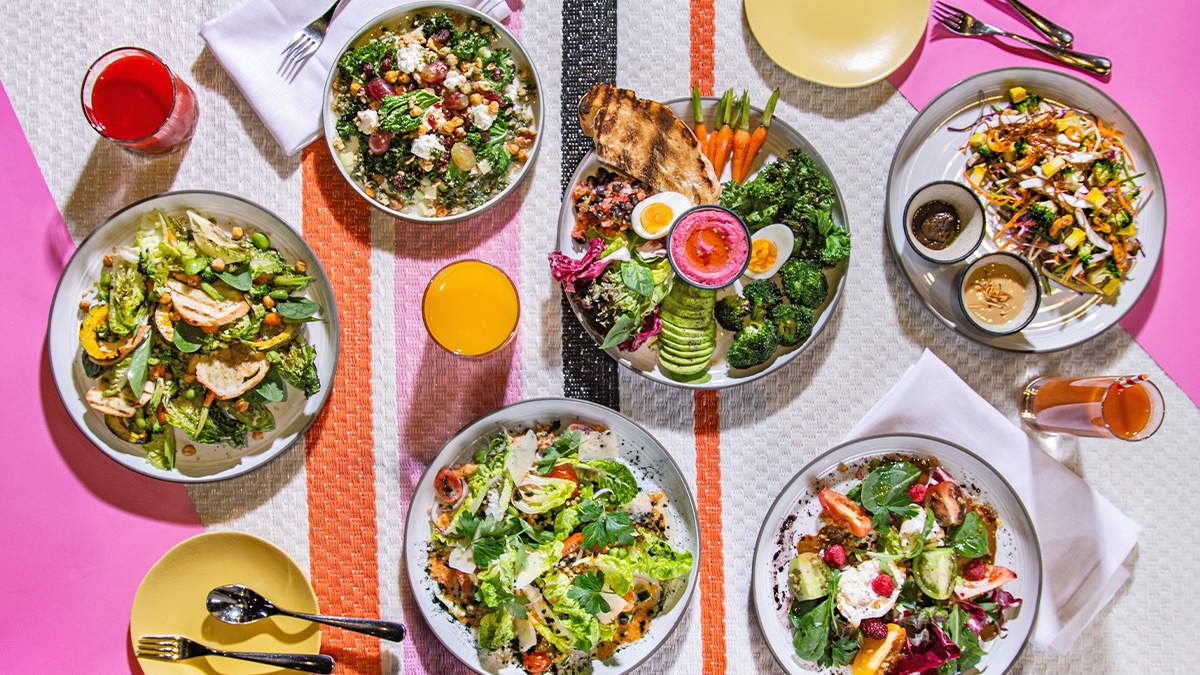
The Philippines is stepping into a more confident culinary era, with Manila increasingly establishing itself as a dining destination and the country’s diverse regional food cultures gaining greater recognition. As diners seek authentic flavors, meaningful connections, and place-rooted experiences, Filipino chefs and restaurateurs are finding new ways to showcase the country’s culinary heritage through thoughtful, contemporary expressions of local identity.
This growing appreciation for regional cuisine is particularly evident beyond the capital. Chef Jordy Navarra points to the Visayas, including Bacolod and Iloilo, as destinations with rich food cultures that are becoming more widely understood and appreciated. From distinctive regional specialties to traditions passed down through generations, these destinations are broadening the narrative of Filipino cuisine and encouraging diners to look beyond Manila to discover the stories and flavors that define different parts of the country.
Celebrating the Rich Culinary Heritage of the Regions
For Abba Napa, this renewed confidence is also shaping the way Filipino chefs approach their menus and culinary philosophies in 2027.
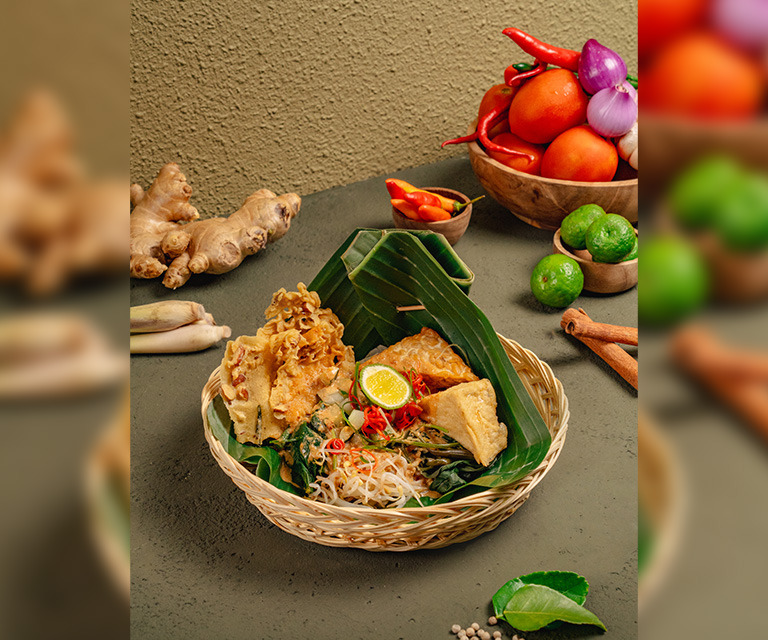
She anticipates a more focused approach to cooking, with “fewer ideas on the plate, but more depth behind each one.” Rather than relying on complexity for its own sake, chefs are increasingly expected to create dishes grounded in personal memories, local ingredients, and a deeper understanding of place.
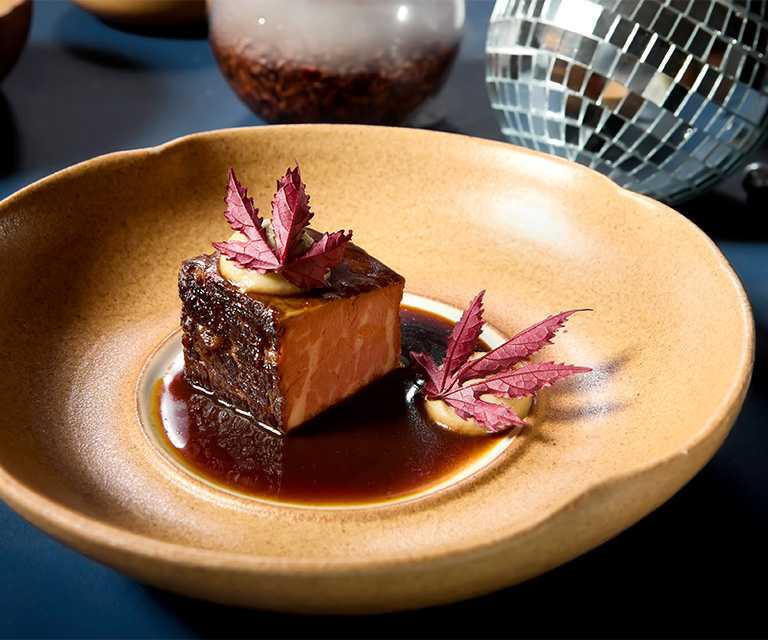
She also foresees “more thoughtful expressions of Filipino identity,” as chefs become more comfortable communicating their histories and cultural backgrounds through food and hospitality.
Authenticity, Simplicity, and Depth on the Plate
In Siargao, Chef Ines Castañeda Matos of Roots offers a compelling perspective on this evolving definition of luxury.
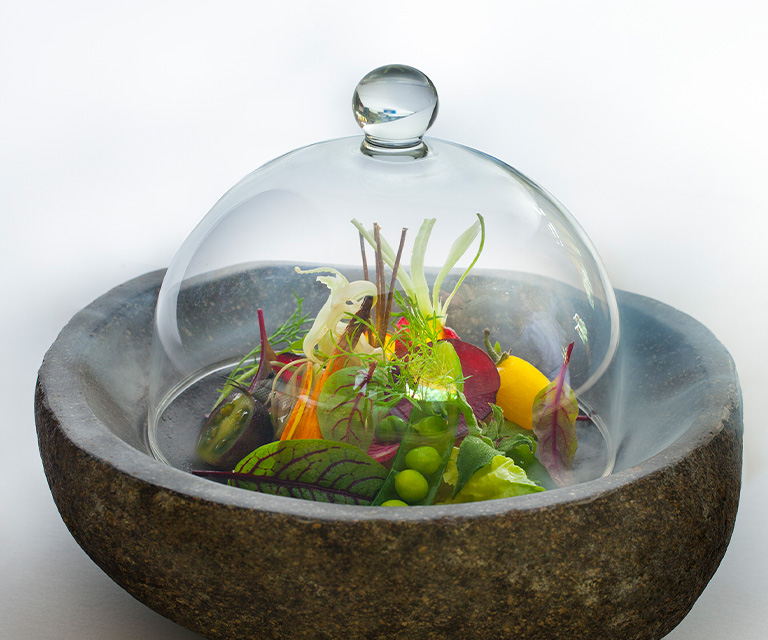
For her, contemporary luxury is “what’s real, authentic, endemic to a place.” Her philosophy puts the destination at the heart of the dining experience, emphasizing ingredients, traditions, and ecosystems that can’t be replicated elsewhere. This approach reflects a wider shift in hospitality, where authenticity and a genuine connection to local culture are becoming increasingly valuable to discerning diners.

This emphasis on provenance closely mirrors the broader food and beverage trends identified in Marriott International’s Future of Food 2027 report, which highlights the growing importance of authentic local signature dishes across Asia Pacific excluding China. With 95% of surveyed properties identifying demand for authentic local cuisine as a leading market trend, the findings underscore how food has become an essential part of the travel experience.
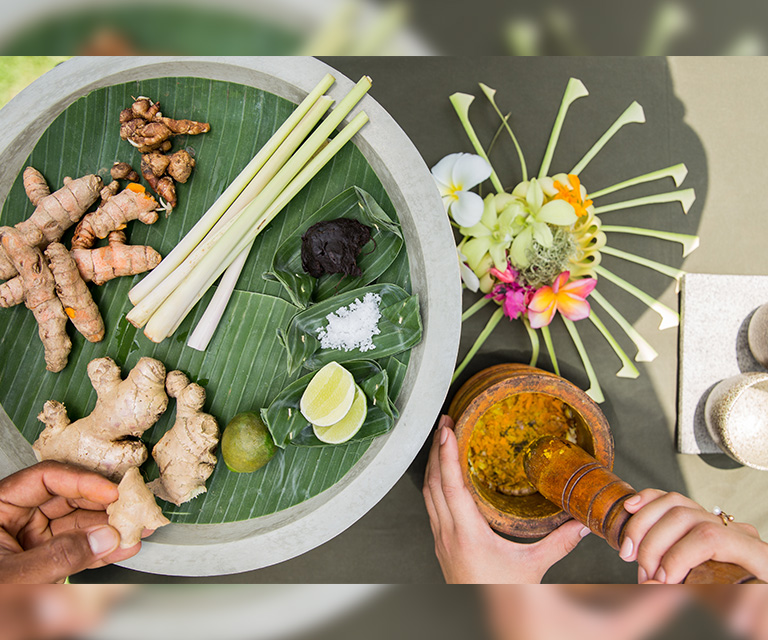
For the Philippines, this presents an opportunity to elevate regional ingredients, celebrate culinary traditions, and create dining experiences that offer a more intimate understanding of the destination.
Global Trends and the Rise of Experience-Driven Dining
The country’s dining landscape is also well positioned to embrace smaller, more focused restaurant concepts, where thoughtful menus and distinctive identities take precedence over scale.
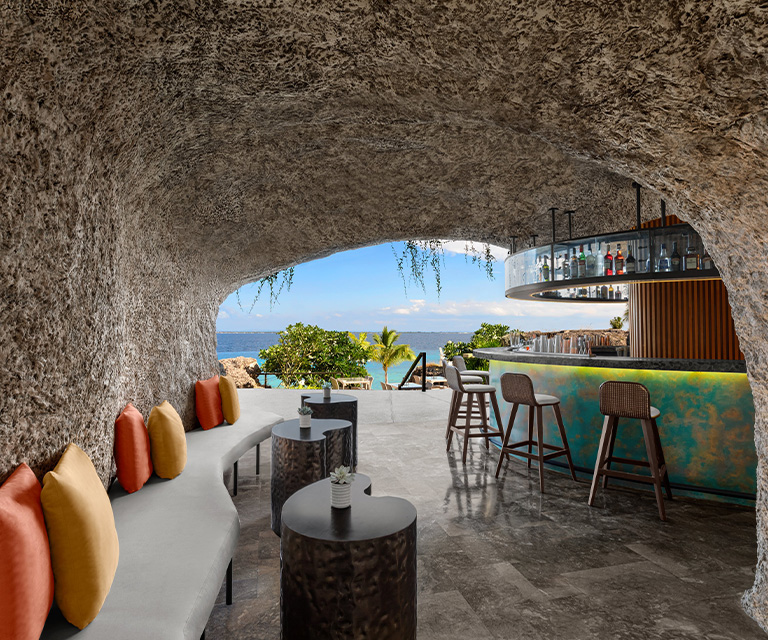
Napa highlights the relationship between a restaurant’s size, concept, and approach to hospitality, noting that more intimate spaces can encourage greater clarity in both menu development and the overall guest experience. With strong teams and a clear culinary vision, restaurants of different sizes can deliver meaningful, personalized service while remaining true to their individual identities.
Looking ahead to 2027, the Philippines’ culinary story is increasingly defined by confidence, creativity, and specificity. Manila continues to provide an international platform for the country’s evolving dining scene, while the Visayas and destinations such as Siargao contribute regional character and a deeper sense of place. Together, these culinary communities are shaping a more distinctive Filipino dining identity, one that celebrates local heritage while embracing contemporary perspectives on food, hospitality, and luxury. For local diners and international travelers alike, the result is an increasingly compelling invitation to discover the Philippines through the people, ingredients, and stories that make its cuisine unique.
Read more stories on Simpol.ph
Nobel Prize Writer Anne Carson On Words and Violence
New Days of Driving with Anne Curtis as the XPENG Official Brand Ambassador