For readers, this story offers a direct link to living history—an opportunity to understand war not as a distant fact but as personal memory. It matters because voices like this are vanishing, and with them, firsthand insight into resilience, sacrifice, and survival. Engaging with such narratives deepens historical awareness and grounds present-day freedoms in lived experience.
A Life That Spans Generations
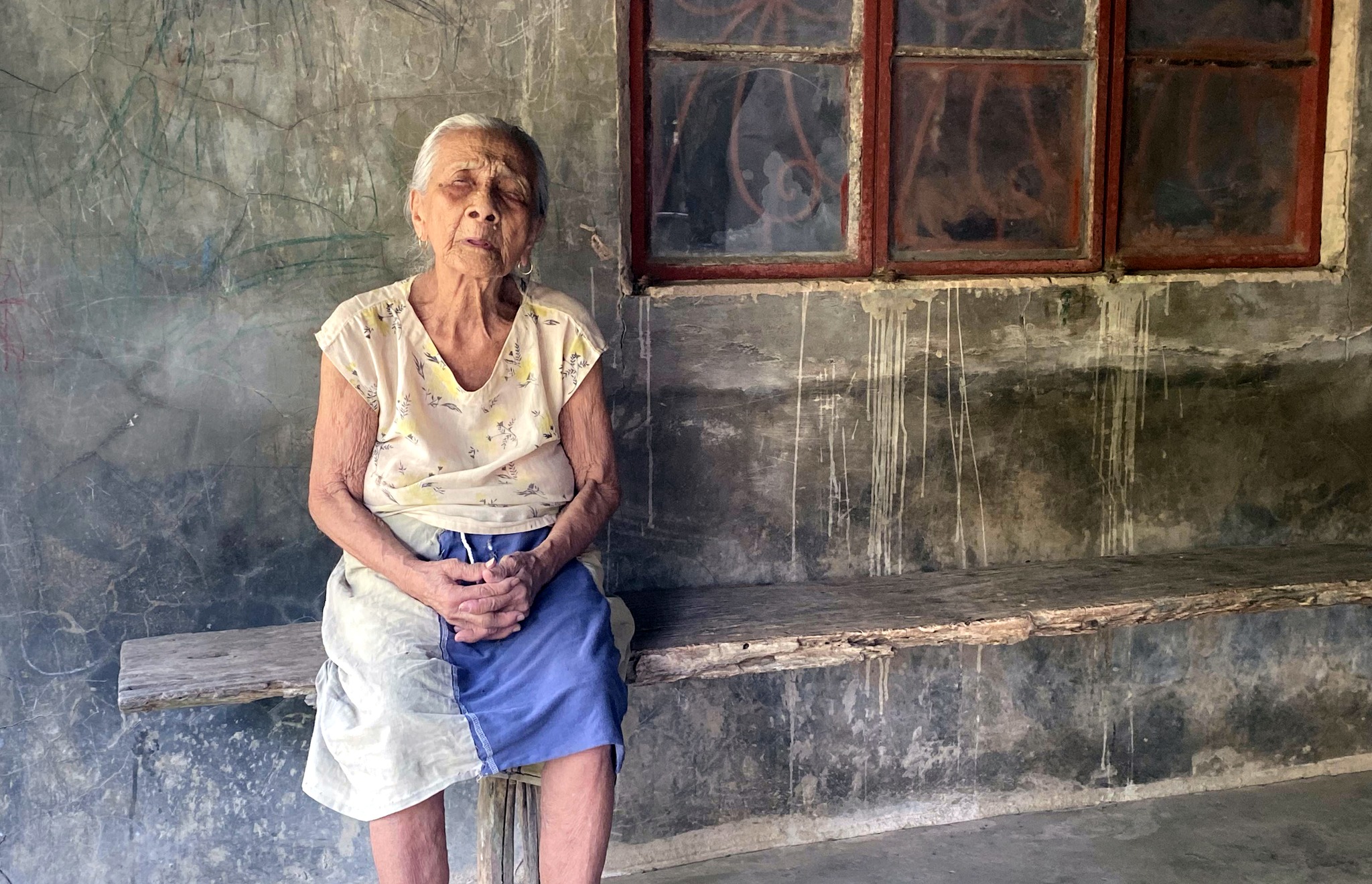
At 106 years old, Inez Ola stands as the oldest living veteran in the Cordillera region, a distinction that carries both honor and urgency. Her life bridges more than a century of Philippine history, from prewar rural life to the turbulence of World War II and the decades of rebuilding that followed. Recognized by local veteran organizations and community leaders, Ola’s story is not simply about longevity; it is about endurance shaped by conflict and courage.
Her recollections offer rare insight into the realities faced by Filipinos during the Japanese occupation. Unlike official records or textbooks, her memories carry the texture of lived experience: the uncertainty, the fear, and the quiet acts of resistance that defined daily survival.
Recalling War Through Personal Memory
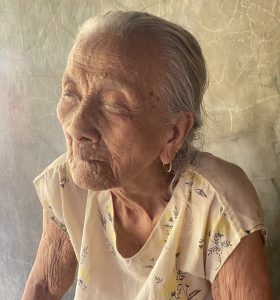
Ola speaks of a time when communities relied on instinct and solidarity to endure hardship. She recalls moments of displacement, the scarcity of food, and the constant tension that marked everyday life during the war. Yet within these accounts, there is also a thread of resilience—neighbors helping one another, families finding ways to persist, and individuals holding on to hope despite overwhelming odds.
Local historians note that narratives like Ola’s are invaluable.
“Firsthand accounts provide nuance that cannot be replicated by archives alone,” said a regional cultural officer during a recent recognition event. “They remind us that history is not abstract; it is lived, felt, and remembered.”
Community Recognition and Continuing Influence
In recent years, Ola has received recognition from local government units and veteran associations, acknowledging both her service and her role as a living witness to history. Community members often visit her, not only to honor her but to listen—an act that transforms memory into shared heritage.
A municipal official who helped organize her recognition shared:
“Meeting Apo Inez changes your perspective. You realize that resilience is not just a concept; it is something she embodies every day. Her stories remind us of the strength that built our communities.”
Her presence has also become an educational resource. Schools and local organizations have begun incorporating her story into discussions about World War II, emphasizing the importance of oral history in preserving cultural identity.
Preserving Stories Before They Fade
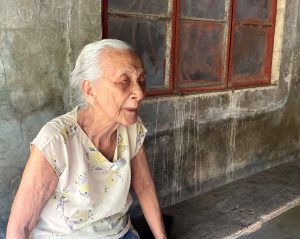
As time passes, the number of living World War II veterans continues to decline, making efforts to document their experiences increasingly critical. Ola’s story highlights the importance of capturing these narratives while they remain accessible. Oral histories, interviews, and community storytelling initiatives play a key role in ensuring that such memories are not lost.
Historians and cultural advocates stress that preservation is not only about honoring the past but also about informing the future. Understanding the realities of war through personal testimony fosters empathy and a deeper appreciation for peace.
Beyond Recognition: A Living Reminder
Ola’s life serves as more than a historical reference; it is a reminder of the human capacity to endure and adapt. Her continued willingness to share her experiences reflects a commitment to ensuring that future generations understand the cost of conflict and the value of resilience.
In a time when history can feel distant or abstract, her voice brings clarity and immediacy. It underscores the importance of listening—not only to preserve facts but to understand the emotions and decisions that shaped them.
The Timeless Value of This Story
Stories like Inez Ola’s matter because they connect past and present in ways that statistics and timelines cannot. They offer perspective on resilience, highlight the importance of community, and remind readers of the lived realities behind historical events. Engaging with such narratives encourages reflection, respect, and a more grounded understanding of history’s impact on everyday life.
Read more Stories on Simpol.ph
Quiet Service, Lasting Impact: The Story of Ruth D. Cruz
Why More Filipino Millennials Are Walking Away From Family Obligations
Viy Cortez: The Modern “She-EO” of Female-Driven Entrepreneurship