This story matters because it shows how conflict does not end only on battlefields but continues in the choices people make after. It invites readers to understand peace as something actively built through livelihoods, trust, and land restoration. For communities facing similar histories of unrest, this transition offers a model of recovery that is both practical and deeply human.
For readers, it is important because it reframes former conflict zones not as permanent scars but as spaces of renewal. It also highlights how leadership can evolve—from armed command to community stewardship—creating long-term stability that benefits families and future generations.
It matters to experience stories like this because they reveal how reconciliation becomes real when it is grounded in everyday work, such as farming, cooperation, and shared survival.
From Conflict to Cultivation: The Transformation of Kumander Dahon
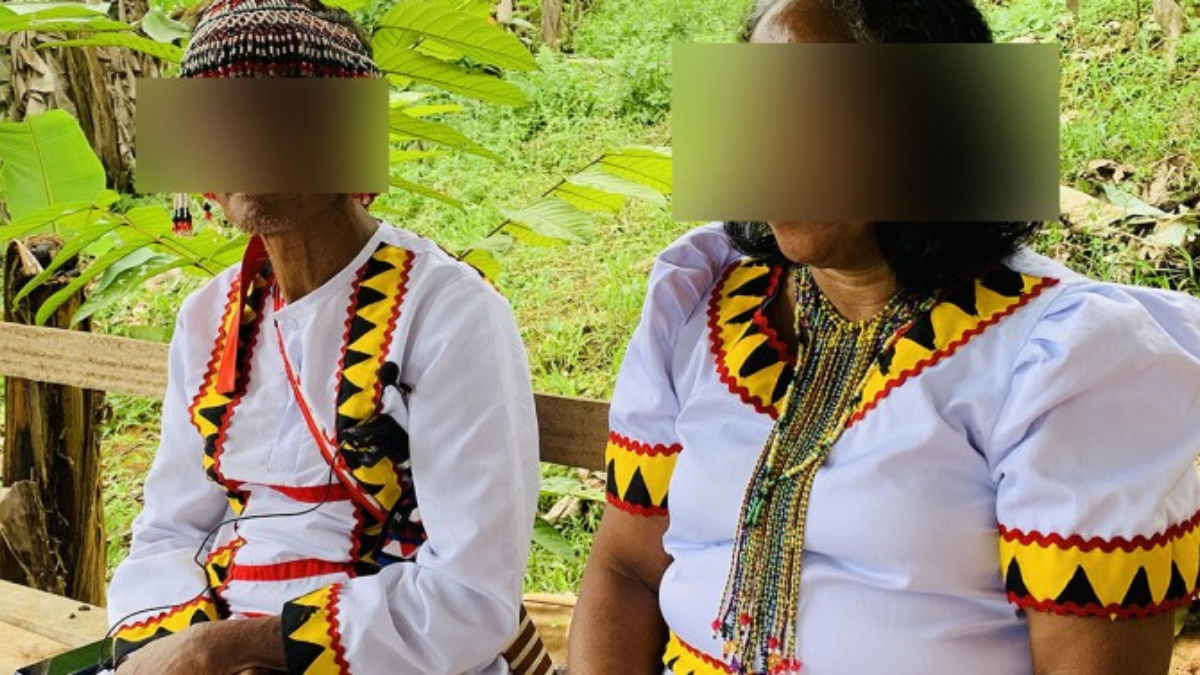
Datu Lino Namatidong, once known in the highlands of Mindanao as “Kumander Dahon,” has formally stepped away from decades of armed struggle as a former Higaonon rebel commander. Today, he leads more than 100 families in rebuilding their lives through agriculture and sustainable livelihood programs within their ancestral domain.
What was once a terrain defined by tension and resistance is gradually being reshaped into productive farmland. Under his leadership, communities have begun cultivating staple crops, developing cooperative systems, and restoring long-neglected agricultural lands. Local facilitators working with peace and development programs describe the shift as “a rare but steady example of transformation rooted in trust and shared survival.”
Rebuilding Ancestral Land Through Farming and Cooperation
In the heart of the ancestral domain, Datu Lino now organizes farming clusters focused on corn, root crops, and agroforestry. The initiative is not only about food production but also about restoring dignity and stability among families who once lived in displacement and uncertainty.
A community agriculture coordinator, in a compiled field account from local program discussions, shared this reflection:
“What stands out is not only the return to farming, but the return of confidence among families. People are planning again, not just surviving.”
The transition has also encouraged younger community members to stay within the area rather than seek uncertain livelihoods elsewhere. Cooperative farming practices have strengthened social ties that were once fragmented by years of conflict.
Leadership Reimagined: From Commander to Community Builder
Datu Lino’s role has shifted from military command to communal guidance. Instead of leading armed groups, he now facilitates dialogue between families, elders, and development workers to ensure land use remains sustainable and culturally grounded.
Local observers note that his influence has become more symbolic than authoritative, anchored in lived experience rather than force. This change reflects a broader trend in peacebuilding efforts in Mindanao, where former combatants are reintegrated as stakeholders in development rather than excluded from it.
Community Feedback and Ground-Level Impact
Across participating families, feedback points to gradual but meaningful improvements in daily life. A farmer involved in the program described the changes in simple terms:
“We used to move from place to place. Now we stay, we plant, and we harvest together.”
While challenges remain—including infrastructure gaps and market access—the sense of permanence is new and significant for many households.
Why This Shift Matters for Peacebuilding in Mindanao
The transformation of Datu Lino’s leadership highlights a critical lesson: peace is sustained not only through agreements but through livelihoods that replace uncertainty with stability. Farming becomes more than an economic activity; it becomes a framework for rebuilding trust.
For regions with similar histories of armed struggle, this model demonstrates how ancestral land, when properly supported, can become a foundation for reconciliation and long-term recovery.
Read more Stories on Simpol.ph
Quiet Service, Lasting Impact: The Story of Ruth D. Cruz
Autumn Durald Arkapaw: Art History Student Turned Global History Maker
Viy Cortez: The Modern “She-EO” of Female-Driven Entrepreneurship