Siling Demonyo also widely known as Marusot is scientifically classified as “Capsicum chinense” is a variety of chili pepper native to the Bicol Region. It is a legendary component of Bicolano culinary heritage, known for a heat level that far exceeds the more common siling labuyo.
Marusot as a Bicolano Kitchens’ Necessity
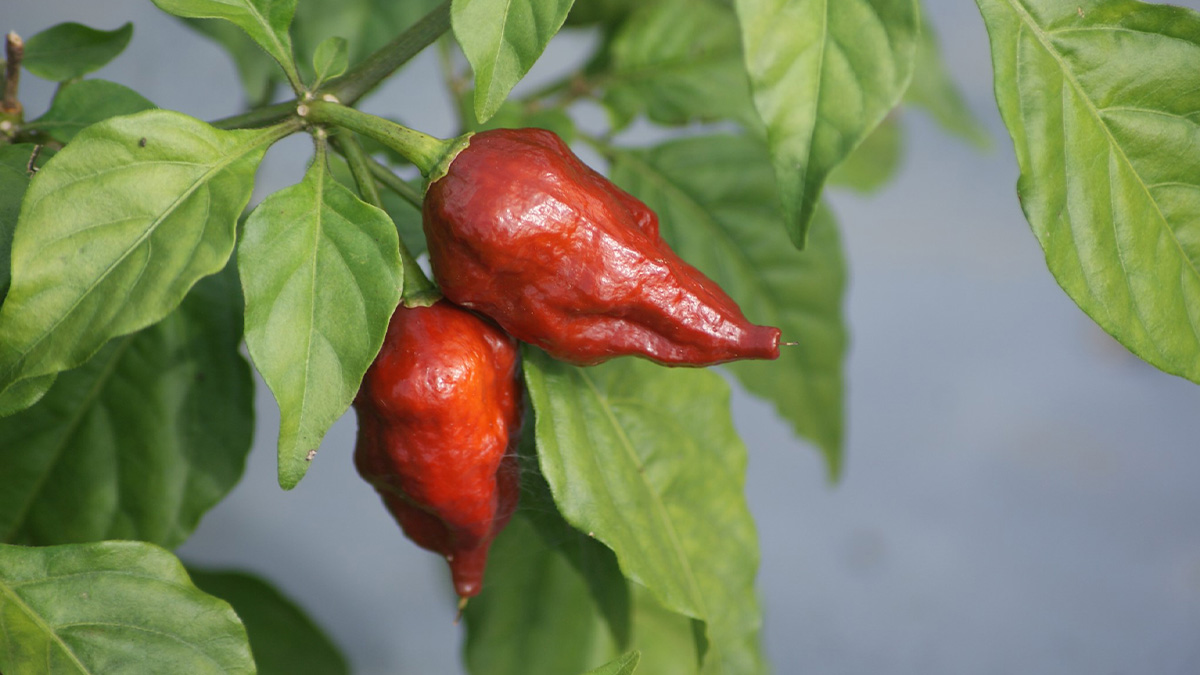
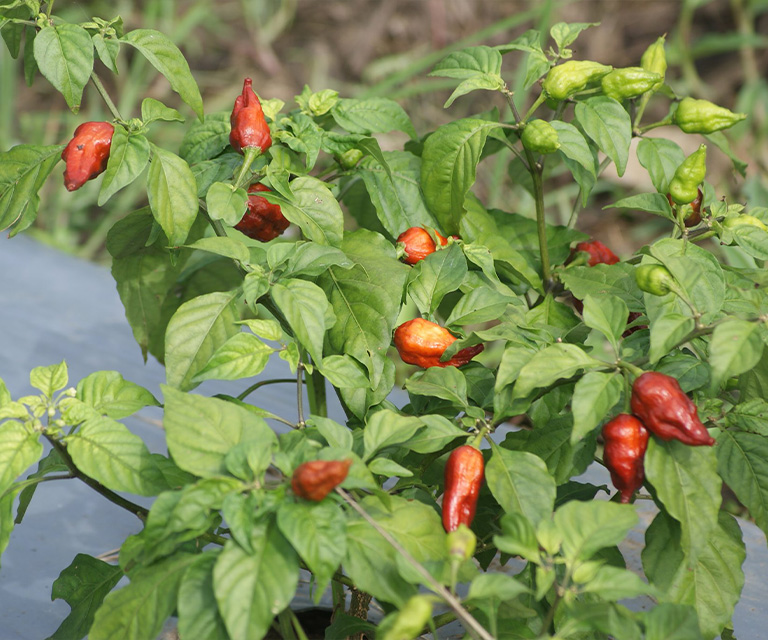
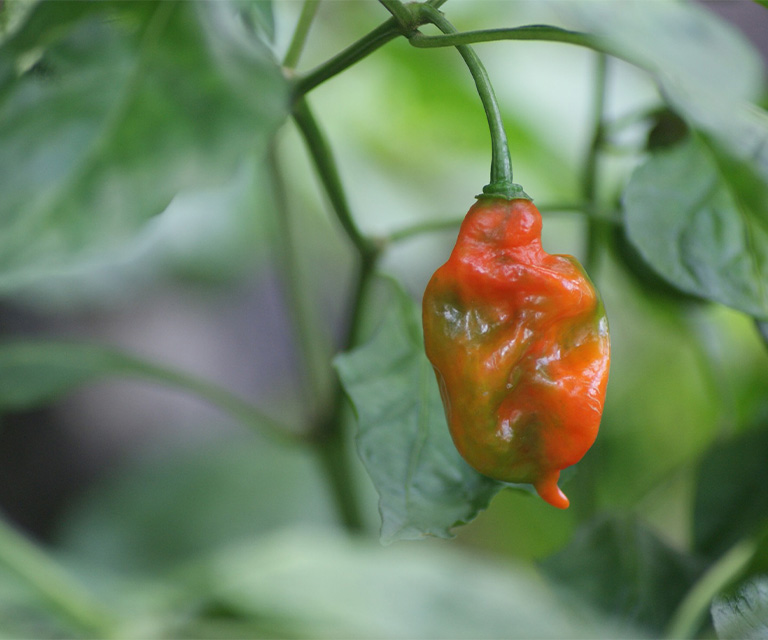
Marusot is distinct from other local chilies due to its unique appearance and intense oil concentration. Unlike the upright, needle-like siling labuyo, marusot pods are typically larger, dangling, and characterized by a “wrinkled” or “puckered” skin. When ripe, they turn a vibrant, waxy red.
It is often compared to the Habanero or the Ghost Pepper (Bhut Jolokia) in terms of its Scoville Heat Unit (SHU) rating. While siling labuyo ranges from 50,000 to 100,000 SHU, the marusot can easily exceed 300,000 to 500,000 SHU. Despite its name, the chili is prized by Bicolano chefs and home cooks for its fruity, floral aroma, which is released the moment the skin is broken.
With its deadly name and heat, the Siling Demonyo (Demon Chili) is a colloquialism reflecting the pepper’s “treacherous” heat. Bicolanos often joke that the heat is so intense it “makes one see the devil.” The name marusot is the indigenous Bicolano term, often used by locals to differentiate it from the commercialized peppers found in Manila markets.
The said chili is also being called Naga Viper, Demon Chili, and Siling Diablo.
Keeping things Hot and Delicious
May it be in formal to traditional cooking, the Bicolanos always have their spice on hand. By having their signature anghang and their non-negotiable sipa, the dishes remain irresistibly delicious and distinct.
In Bicol’s handaan culture, the marusot is the secret weapon for specialized dishes. In cooking the infamous Bicol Express, rather than using the usual siling haba (finger chilies), an uragon version of the dish incorporates marusot to provide a deep, lingering heat that cuts through the creaminess of the coconut milk.
The taste does not only improve through the marusot’s fierce spice, but there is a distinct aroma that ultimately takes your dish to a whole new level.
Hindi ako gumagamit ng ibang sili dito, ‘yan lang talagang tanim kong siling demonyo kapag nagluluto ako. Pati mga anak ko, ‘yan lang ang ginagamit araw-araw.” said Nida, a local housewife in Albay.
Also, in their infamous laing, the Bicolano’s sign that their food is cooked properly is when it reaches the “naglalana” stage which is when the oil separates from the milk. The slow-cooked laing becomes even more fragrant after adding the marusot lastly in the process making its oils infused with the coconut cream.
The Uragon Way—always
The chili isn’t just a plant; it is a catalyst for the Bicolano’s grit, bravery, and resiliency. By continuing to plant, preserve, promote, and serve marusot instead of commercialized chilies, Bicolanos are practicing a form of “culinary resistance.” It is a way of saying that Bicolano identity cannot be diluted or made “palatable” for those who cannot handle bearing the heat.
Read more Stories on Simpol.ph
The Nut That Grew on Ash: Rediscovering Pili in the Philippines
Move over, pistachios: Pili nuts are the buttery superfood you’ve been missing