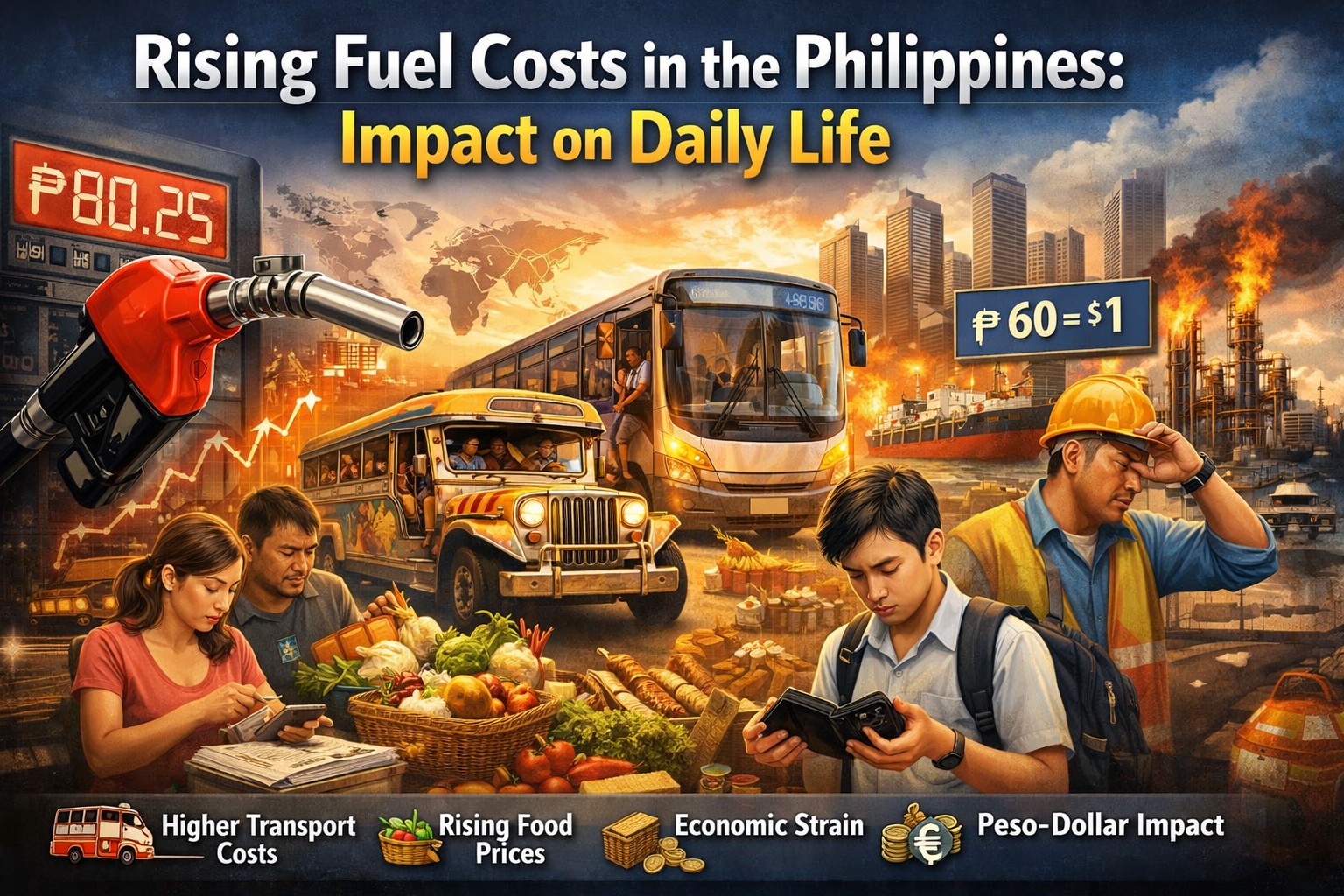
Fuel prices affect nearly every part of daily life—from commuting to school and work to the cost of food on the table. As oil prices rise across the Philippines in March 2026, households, students, and workers alike are feeling the strain. Understanding the causes and effects of these increases is crucial: it helps us plan, adapt, and find practical ways to manage daily life without sacrificing progress or opportunities.
This matters because rising fuel costs are not just numbers at the pump—they directly influence our budgets, access to education, transportation, and overall quality of life. By seeing how communities respond, readers can gain insights, adopt smart strategies, and feel inspired by the resilience of everyday Filipinos.
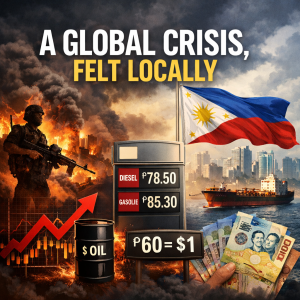
A Global Crisis, Felt Locally
Oil prices in the Philippines surged in early March 2026 due to a combination of global and domestic factors. Intensifying conflicts in the Middle East disrupted international supply routes, while the Philippine peso weakened to nearly ₱60 per U.S. dollar, raising the cost of importing crude oil. Because the country imports nearly 95 percent of its oil supply, price fluctuations abroad quickly affect local fuel costs. Industry analysts note that the Philippines experiences one of the fastest “pass-through effects” in Asia, meaning consumers feel price hikes almost immediately.
Several factors are driving the surge: Middle East conflicts causing disruptions in oil supply, weakening peso increasing import costs, higher global oil prices amid geopolitical tensions, decreasing global fuel inventories tightening supply, and rising worldwide demand for energy as economies recover. Energy analyst Ramon Villanueva noted, “The Philippines is highly sensitive to global oil movements. When international supply tightens, local prices respond quickly. The key now is how the country adapts—through efficiency, innovation, and supportive policies.”
The Commuting Challenge
For millions of commuters, rising fuel prices mean higher transportation costs. Recent approvals by the Land Transportation Franchising and Regulatory Board (LTFRB) have adjusted fares across several public transport modes: traditional jeepneys now have a minimum fare of ₱14, modern jeepneys ₱17, and provincial buses an additional ₱0.30–₱0.35 per kilometer depending on service type. While fare hikes help drivers manage soaring diesel prices, they also create challenges for commuters. Some drivers have reduced trips or limited operating hours to save fuel, resulting in longer wait times and limited service.
Mario Dela Cruz, a jeepney driver in Quezon City, shared, “We want to keep serving passengers because this is our livelihood. But fuel is expensive now, so we have to balance our trips carefully. We hope support programs will help drivers stay on the road.”

Students Feeling the Strain
Students are among the most affected by rising transport and commodity prices. With limited daily allowances, even small fare increases can squeeze budgets. Common adaptations include prioritizing transport costs over meals or school supplies, reducing discretionary spending, and sharing rides or walking longer distances to save money. Some universities and student groups have proposed temporary shifts to online or hybrid learning to ease commuting costs; however, digital access remains uneven, with many students lacking reliable internet or personal devices.
A student leader explained, “Online learning can help reduce commuting expenses, but not everyone has reliable internet or personal devices. Any solution must consider the realities of students from different backgrounds.” Despite challenges, students continue to find ways to adapt, demonstrating resilience and creativity in managing their educational needs.

Minimum Wage Earners: Budgeting Under Pressure
The ripple effects of higher fuel prices extend beyond transportation. When fuel costs rise, prices for food, utilities, and other essentials often follow. Minimum wage earners face the toughest trade-offs, balancing commuting, household expenses, and basic necessities. Economic observers estimate that inflation pressures could reduce the real purchasing power of minimum wages by 18 to 25 percent in some regions, forcing families to make difficult decisions about food, healthcare, and education.
Community organizer Teresa Bautista observed, “Families are incredibly resourceful. Even during difficult economic periods, communities find ways to support one another—sharing rides, buying in bulk, or helping neighbors manage costs.”
Government Support and Solutions
To ease the burden, the government has introduced several relief measures: ₱5,000 cash fuel subsidy for public utility vehicle drivers, discussions about temporary fare relief for MRT and LRT passengers, and monitoring fuel excise taxes while promoting energy conservation initiatives. Experts also emphasize the importance of long-term solutions, including expanding renewable energy, improving public transportation systems, and building resilience against global price fluctuations.
Why This Moment Matters
Economic challenges reveal the strength of a community. The current oil price surge shows how global events can directly influence everyday life—from commuting to the price of groceries. It also highlights Filipino resilience. Across neighborhoods, campuses, and workplaces, people are finding creative ways to manage expenses, collaborate, and support one another. Resilience is not just surviving; it is adapting, innovating, and thriving despite obstacles.
Transport advocate Leo Ramos summarized, “Fuel prices may rise and fall, but the Filipino spirit remains steady. When challenges appear, people innovate, cooperate, and move forward together.”

Moving Forward
The 2026 oil price surge serves as a reminder that economic stability requires awareness, planning, and collective action. While international conflicts and currency fluctuations are beyond local control, communities can respond through practical measures and shared solidarity. For students, workers, drivers, and families alike, knowledge is power. Understanding why prices rise allows individuals and communities to adapt, make informed choices, and advocate for sustainable solutions that benefit everyone. In moments of uncertainty, resilience becomes more than a response—it becomes a shared path forward, inspiring Filipinos to overcome challenges together.
Read more Stories on Simpol.ph
When the Holidays Hurt: What Filipinos Really Go Through at Christmas
Less Tax, More Ulam: The Fight to Cut Your Electric Bill VAT
New Study Pinpoints 9 Philippine Provinces Most Affected by Young Adult Mental Health Strain