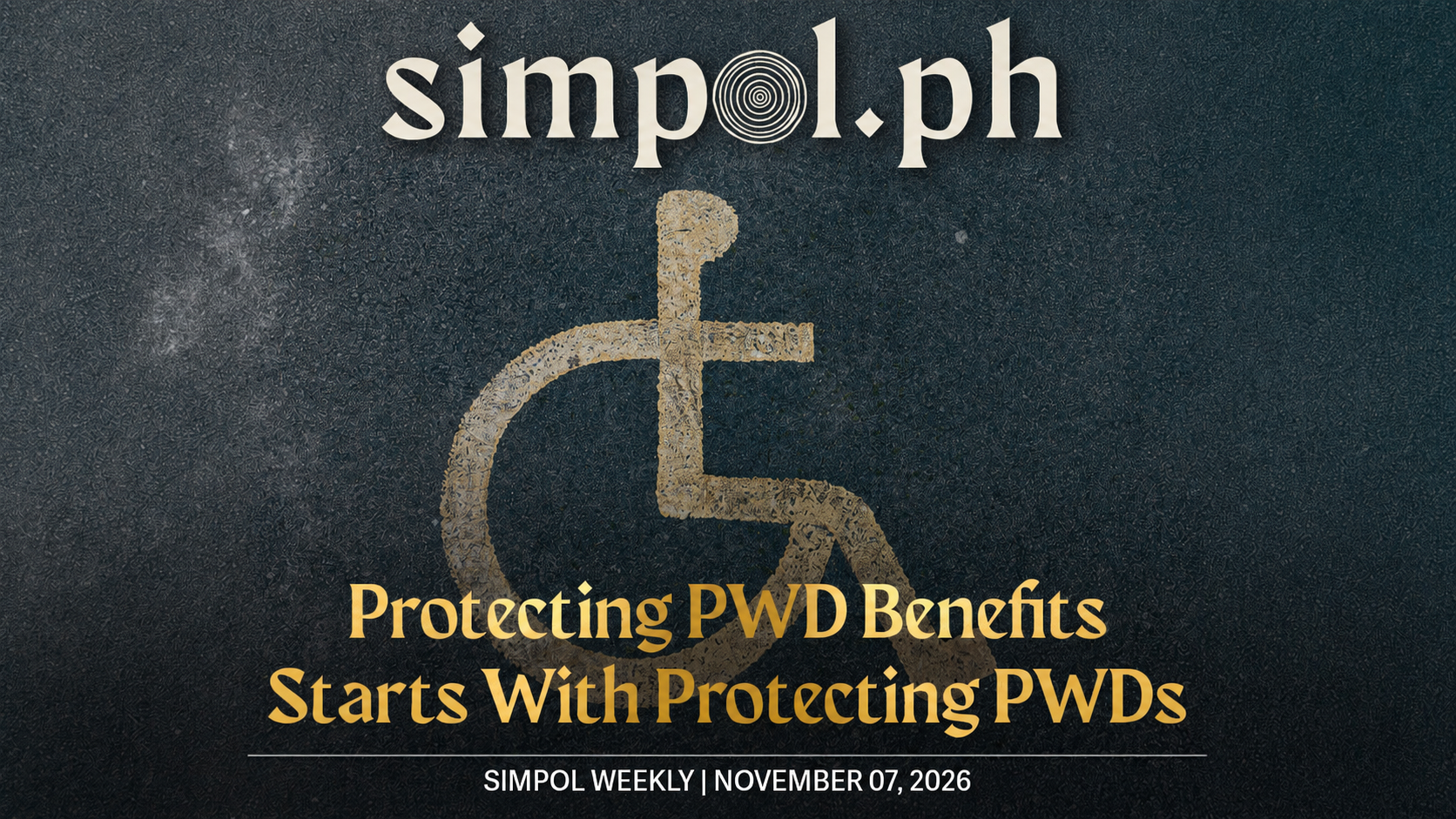
For many Filipinos with disabilities, a PWD ID is more than an identification card. It provides access to discounts on medicines, food, transportation, and other essential expenses. These benefits help ease the additional costs of living with a disability.
However, fraudulent identification cards and the misuse of privileges intended for legitimate beneficiaries have raised concerns about the system. To address these issues, the government is introducing a Unified Persons with Disabilities Identification System (UPWDIS), which will standardize registration and verification nationwide.
Addressing the Problem of Fake PWD IDs
Previously, local government units (LGUs) handled PWD ID applications and issuance independently. This resulted in different card designs and verification procedures. According to Department of Social Welfare and Development (DSWD) Secretary Rex Gatchalian, the system had produced approximately 1,500 different ID designs, making authentication difficult for businesses.
“The unified ID system, it’s a digital format wala ng physical ID,” Gatchalian explained during a Senate budget hearing.
Through this initiative, the government aims to establish a centralized database where establishments can verify legitimate PWD registrations through QR codes.
Existing Cardholders Must Register Again
One significant change under the new system is that even Filipinos with valid PWD IDs must register again. The standardized process will allow authorities to consolidate existing records, verify applications, and issue identification cards with unique numbers and QR codes.
NCDA Executive Director Glenda Relova explained the new arrangement:
“We now have a uniform ID format. Applications and approvals are handled by local government units, while the information is entered into our system.”
Local PWD Affairs Offices (PDAOs) will oversee applications and guide applicants through the requirements and registration procedures.
A Three-Year Transition Period
Existing PWD IDs will remain valid during the transition. Under NCDA Administrative Order No. 001, Series of 2026, establishments must continue accepting both old and new identification cards for three years. The NCDA Board will announce when authorities can officially phase out the previous IDs.
The system also considers people who lack smartphones or reliable internet access. LGUs can provide printed identification cards to ensure these individuals can still present their credentials.
PWDs Question the Burden of Re-registration
Despite the government’s efforts to improve verification, the announcement has drawn criticism from PWDs who worry that the process could create additional financial and logistical challenges.
For people with non-apparent disabilities, securing another medical certificate may mean scheduling consultations with specialists and paying for assessments they have already undergone.
“It’s unfair for us non-apparent PWDs to secure a med cert again when you already have the database in the respective municipalities and in the government website,” commented Lars Kath.
Kath questioned why authorities cannot simply use existing records during registration.
Nina Comia also challenged the requirement for legitimate cardholders to prove their eligibility again. Instead, she suggested that authorities examine the offices responsible for issuing the IDs.
“I don’t know why the burden of proof again is with PWDs. Hindi ba dapat ang burden of proof is sa mga nag issue ng ID — audit them and make sure that requirements are complete,” Comia wrote.
She also highlighted the difficulty of securing appointments with specialists, adding, “I hope they know how hard it is to book a DevPed, a Psychiatrist, and the doctors needed for this ID.”
These reactions highlight an important consideration for the government’s rollout: preventing fraud should not force legitimate beneficiaries to undergo unnecessary procedures and expenses.
Protecting the People Behind the IDs
While stricter verification is necessary, authorities must also consider people with non-apparent disabilities, including psychosocial, intellectual, and neurological conditions. Additional requirements should not create unnecessary barriers for legitimate beneficiaries.
Ultimately, the success of the Unified PWD ID System will depend not only on its ability to prevent fraud but also on how effectively it protects the people it aims to help.
A more reliable identification system should make accessing benefits easier and more secure, ensuring that legitimate PWDs continue receiving the assistance they deserve.
Read more stories on Simpol.ph
Camiguin’s Lanzones Festival: A Celebration of Island Life
A Life Tended by Hand: How Melchor Mercado Found Purpose and Peace in Camiguin
Chef Jackie’s Food Tubs Were The Stepping Blocks Of Gianetto