Many dream of working in the food industry—drawn by the aroma of freshly baked bread, the sizzle of garlic in hot oil, and the joy of bringing people together through food. But beyond the romance of the kitchen, what does it truly take to launch a successful Filipino food brand?
However, turning that dream into reality demands far more than a good recipe. Whether you’re opening a café, launching a restaurant, or starting a food brand from your home kitchen, success takes more than passion. It requires resilience, creativity, and the courage to keep going after every setback.
From Passion Project to Profitable Brand
Every food business begins with an idea. Sometimes it’s a twist on a classic dish. Other times, it’s a product inspired by a personal craving or a gap in the market. In today’s competitive landscape, however, even the best ideas can falter without grit and strategy. Starting a food brand in the Philippines means braving high startup costs, slim margins, fierce competition, and constant reinvention.
Still, the most successful food entrepreneurs turn these obstacles into opportunities. They learn quickly, adapt constantly, and lean into the values that set their brand apart.

Paco Magsaysay of Carmen’s Best, Simpol.ph columnist Liza Hernandez-Morales, and Anda del Rosario. (SHARED PHOTO)
Carmen’s Best: Turning Excess Milk Into a Premium Ice Cream Brand
One of the best examples of this journey is Paco Magsaysay, founder of Carmen’s Best Ice Cream, .He didn’t set out to become a food entrepreneur. His goal was simple: find a way to use the leftover milk from his family’s Laguna dairy farm.
Rather than settle for mediocrity, Magsaysay went all-in on quality. He sourced the finest ingredients, crafted flavors in small batches, and refused to compromise. Of course, starting a food brand wasn’t easy. He faced limited distribution options, struggled to stand out in a crowded market, and constantly battled the pressure to cut costs.
But instead of giving in, he focused on what made his product different: honest-to-goodness quality. His persistence paid off. Carmen’s Best evolved into a premium brand served on international flights and celebrated by loyal customers across the country.
Check Carmen’s Best Ice Cream: https://carmensbest.com
How One Businessman Built A Brand Synonymous with Top Notch Quality
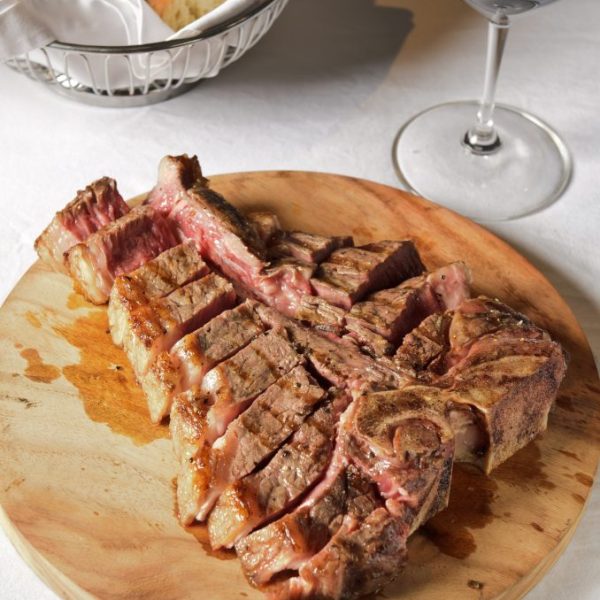
While Magsaysay built his legacy with ice cream, Elbert Cuenca carved out his name in meat. His flagship restaurant, Elbert’s Steak Room, quickly earned a reputation as one of Manila’s top destinations for steak lovers. But Cuenca didn’t stop there.
Seeing the potential to grow beyond fine dining, he launched Elbert’s Sandwiches, Elbert’s Pizzeria, and Elbert’s Diner — all building on the foundation of excellence set by Elbert’s Steak Room. Each concept offered a new experience, yet shared the same attention to detail, flavor, and customer care.
Like many who are starting a food brand, Cuenca faced challenges early in his career. One of his early ventures shut down, forcing him to reevaluate his approach. Instead of backing down, he took the lessons to heart. He streamlined operations, sharpened his market understanding, and built a sustainable strategy that allowed each new brand to thrive.
Check out Elbert’s Steak Room: https://elbertssteakroom.pickup.ph
Why Word of Mouth Still Matters
While digital marketing and social media are vital today, both Magsaysay and Cuenca owe much of their growth to something simpler: word of mouth. Their customers became their most effective marketers — drawn in by consistent quality and inspired to share their experience with others.
For anyone starting a food brand, this highlights a key insight: marketing doesn’t always start with ads. It begins with trust, built one plate, one scoop, and one happy customer at a time.

Elbert Cuenca of Elbert’s Steakhouse & Elbert’s Collective with Simpol.ph columnist Liza Hernandez-Morales. (SHARED PHOTO)
Persistence: The Secret Ingredient Behind Every Food Success Story
The most successful chefs, restaurateurs, and food brand founders — including Carmen’s Best and Elbert’s Steak Room— didn’t get where they are without hardship. They faced rejection, financial strain, staffing challenges, and near-closures. What set them apart wasn’t luck. It was the decision to keep going, to learn from failure, and to adjust quickly.
Starting a Food Brand Today? Here’s What You Need to Know
If you’re planning on starting a food brand, here’s the truth: the road will be rough at times. You’ll face slow days, uncertain weeks, and moments of doubt. But every problem is also an opportunity — a chance to sharpen your offering, refine your message, and build something lasting.
That message rang loud and clear at Salu-Salu 2025, an industry event organized by AREA, the student organization of the BS in Restaurant Entrepreneurship program at Le Cordon Bleu Ateneo and the John Gokongwei School of Management. At the event, both Magsaysay and Cuenca shared their stories, reminding aspiring entrepreneurs that the food industry is tough — but incredibly rewarding for those who stick with it.
Final Takeaway: Stick With It
Behind every beloved food brand is someone who refused to quit. If you’re starting a food brand in the Philippines today, know this: your persistence, your passion, and your belief in what you’re building matter more than perfection. Keep going. Learn fast. And always serve with intention.
Because the best brands aren’t just made in the kitchen — they’re built from the ground up, with every decision, every failure, and every comeback.
The Author, Liza Hernandez Morales isn’t a chef — but she definitely knows how to stir things up. As a key figure at Le Cordon Bleu Ateneo, she helps shape the next generation of food entrepreneurs with sharp insights, strategic smarts, and just the right dash of humor. Whether she’s coordinating events, mentoring students, or turning big ideas into bite-sized plans, Liza brings flavor to every table she joins (no apron required).