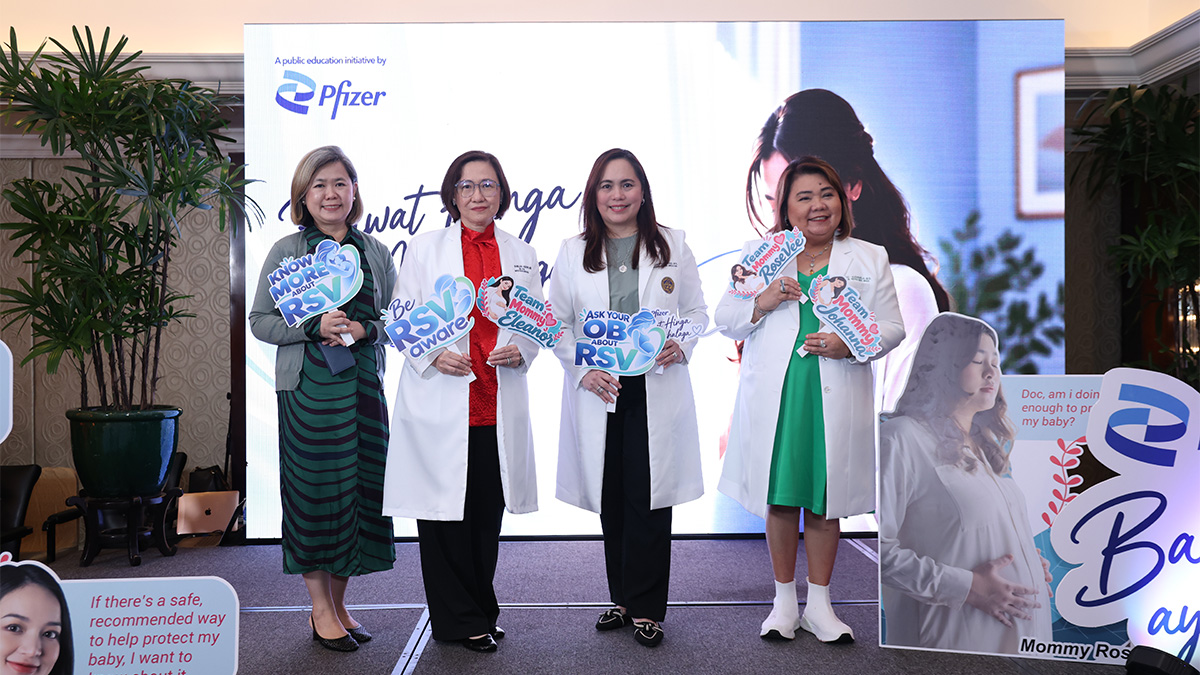
Navigating parenthood means paying close attention to every little sigh and coo of your child. Recently, health experts gathered for the ‘Bawat Hinga ay Mahalaga’ campaign, shedding light on a critical respiratory illness that affects many families.
Understanding our Little Ones’ Vulnerability
As parents, watching over our babies comes naturally.
Meanwhile, medical experts note that respiratory syncytial virus poses a serious threat to infants. Data from the Research Institute for Tropical Medicine shows that severe infections heavily impact children under two.
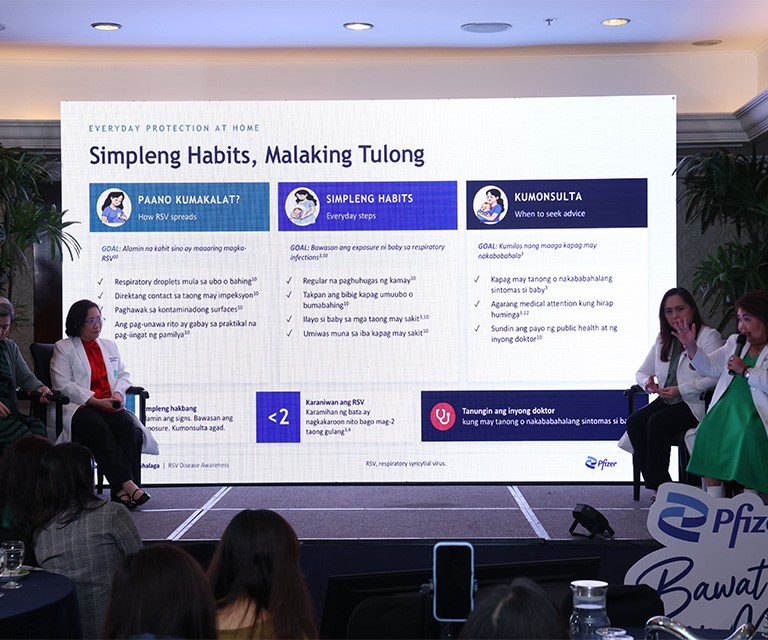
Furthermore, one in four cases happens in babies five months old and younger. During a roundtable discussion at EDSA Shangri-La, specialists explained that babies have developing immune systems and smaller airways. Therefore, inflammation can quickly lead to severe illnesses like pneumonia. As Dr. Anna Belen I. Alensuela of POGS noted:
Parents and caregivers should remain vigilant because RSV can lead to serious respiratory illness, including pneumonia, in infants. 6,7 Awareness of possible symptoms and prompt consultation with a healthcare professional are important, especially for very young babies, 2,6“
Recognizing Warning Signs Early
Naturally, catching symptoms early makes all the difference. Initially, RSV starts with signs that mirror a common cold. However, things can change quickly. Consequently, parents must watch out for wheezing, unusual breathing sounds, or labored breathing. Additionally, poor feeding, low-grade fever, fussiness, and unusual sleepiness are key red flags. Because RSV peaks locally from May to November, staying alert is vital. As Dr. Anna Ong-Lim pointed out,
Wheezing or unusual breathing sounds, particularly when accompanied by difficulty breathing, poor feeding, or reduced activity, should be discussed promptly with a qualified healthcare professional, 2,6”
Taking Simple Steps at Home
Protecting your little one involves practical, everyday habits. Since the virus spreads through droplets and direct contact, simple hygiene changes help a lot. For instance, regular handwashing and covering coughs reduce exposure. Moreover, keeping babies away from unwell individuals shields them from harm. Ultimately, the goal is not to cause fear, but to empower families with confidence and care. As Dr. Martha Aquino shared:
Every family can play a part in reducing exposure to respiratory infections. Simple habits at home, such as regular handwashing, covering coughs and sneezes, and keeping babies away from people who are unwell, can make a difference, especially for very young infants. 1,2 When parents have questions or notice concerning symptoms, they should speak with a qualified healthcare professional, 2,6”
After all, staying informed and acting early are your best tools for keeping your child safe. By tuning in to concerning changes and partnering with a trusted healthcare professional, you can help ensure every precious breath your baby takes is healthy and protected.
Read more stories on Simpol.ph
Chef Jackie’s Food Tubs Were The Stepping Blocks Of Gianetto
TORIKIZOKU’s Yakitori: Chicken Skewers Worth Sharing
GAC Philippines Brings Interactive Fan Challenges to PBA and UAAP Games