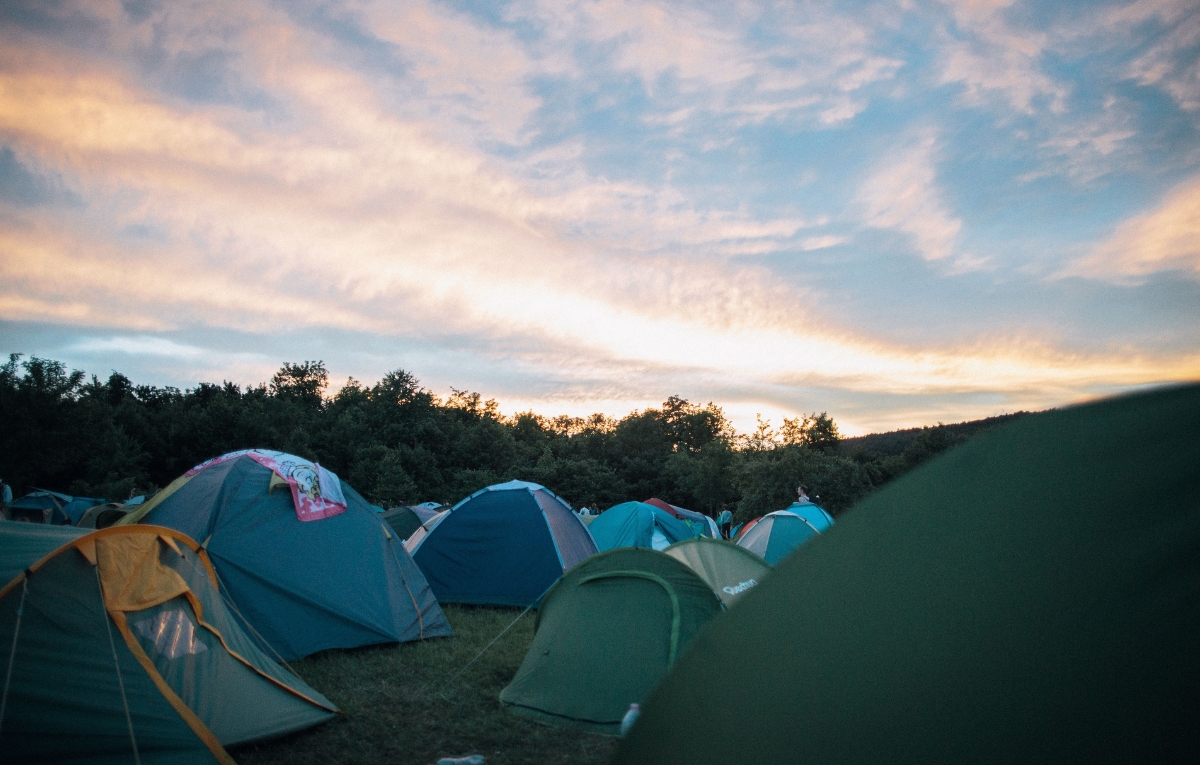
There is a specific, golden hour in the woods that you can’t replicate in the city. It’s that moment when the sun dips below the treeline. The temperature drops just enough to make your jacket feel like a warm hug. And the first crackle of a campfire replaces the ambient hum of city traffic.
For a long time, camping was viewed as an occasional weekend hobby. Something you suffered through with leaky tents and freeze-dried meals just to say you “conquered” nature.
But today, camping has undergone a massive cultural evolution. It is no longer just an activity. It’s a full-fledged lifestyle choice centered on intentional disconnection, mental restoration, and radical self-reliance.
From “Roughing It” to “Intentionally Living”
What changed? In a world dominated by constant connectivity, the concept of luxury has shifted. True luxury isn’t a five-star hotel with the thickest mattress. Nowadays, it’s the absolute silence of a mountainside where your phone doesn’t have a single bar of service.
Modern camping culture has split into fascinating sub-movements, proving that there’s no single way to embrace the outdoor lifestyle.
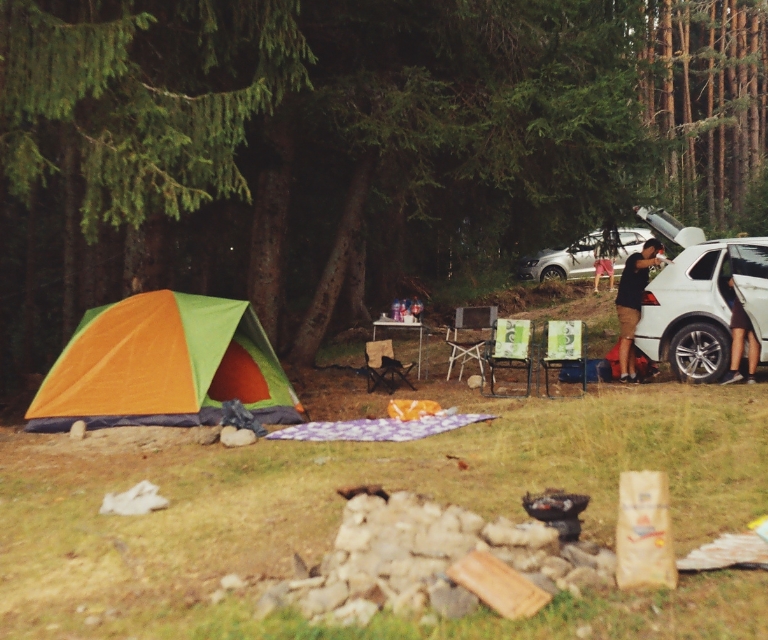
The car campers; these are the community builders. They pack their trunks with cast-iron skillets, string lights, and oversized coolers. For them, camping is about creating a temporary, open-air living room where friends can sit around for hours without looking at a screen.
The minimalist backpackers; driven by the philosophy of “Leave No Trace,” these campers carry their entire world on their shoulders. It’s a masterclass in mindfulness. When you have to carry every ounce you own up a 2,000-foot incline, you quickly realize how little you actually need to survive and be happy.
The first time you carry everything you need to survive for three days on your back, it changes you.” said James, an experienced backpacker from Rizal.
You look at your bag, the mountains, and realize how much junk you carry around in daily life that you just don’t need,” he added.
The overlanders & van-lifers; for this crowd, the vehicle is the home. Equipped with rooftop tents, solar panels, and modular kitchens, they turn remote geography into their personal backyard, blending remote work with rugged exploration.
The Anatomy of Campfire Culture
Step onto any campsite on a Friday evening, and you’ll notice an unspoken social contract at play. In the woods, the rigid social hierarchies of modern life tend to fade away. Nobody cares what your job title is or how many followers you have when you’re all trying to shield a camp flame from a sudden blow of the wind.
Sharing a campsite forces a unique kind of present-moment cooperation. Pitching a tent, gathering firewood, and preparing a meal over an open flame require shared effort. It’s a return to tribal, communal living that our hyper-independent modern lives rarely allow.
Food, too, has been elevated from a survival necessity to a central ritual. The modern camp kitchen isn’t just about roasting a hot dog on a stick. Campers are bringing gourmet sensibilities to the dirt.
Think about the slow-cooked stews in Dutch ovens, pour-over coffee brewed with freshly ground beans at sunrise, and s’mores that swap basic milk chocolate for dark chocolate sea salt bars. Food tastes entirely different when eaten under an open sky, seasoned with a little bit of woodsmoke.
The Science of Heading Outside
The drive toward this lifestyle isn’t just aesthetic, it’s biological. Spending extended time in nature actively recalibrates our bodies.
First, a circadian reset occurs when we exchange artificial blue screens for natural light cycles, regulating melatonin production and leading to deeper, more restorative sleep.
At the same time, the brain experiences a cognitive restore because natural environments trigger a state of “soft fascination”. This allows our heavily taxed attention filters to rest, which dramatically reduces mental fatigue and can boost creative problem-solving by up to 50%.
Finally, taking a literal “nature pill” by walking among trees exposes us to phytoncides, antimicrobial compounds plants use for self-protection. This has been shown to lower cortisol stress levels and reduce blood pressure within just 20 minutes.
The Green Escape
If you’re looking at the camping world from the outside, the barrier to entry can feel intimidatingly expensive and technical. But the core tenet of modern camping culture is accessibility. You don’t need to buy a ten thousand worth of rooftop setup to start.
The easiest path is to rent gear or start with “backyard camping” or established geological parks that offer clean bathroom facilities and pre-cleared campsites. The goal isn’t to test your survival limits against the elements. It’s simply to change your context, slow down your thoughts, and remember what the world smells like when it isn’t paved over.
The digital world will still be spinning when you get back, but you’ll be meeting it with a clearer mind, a rested spirit, and maybe a little bit of woodsmoke on your clothes.
Read more Stories on Simpol.ph
BRB, Auditing Life: The Mid-Year Mental Reset
The Death of the Flex Trip: Reclaiming Travel for Authentic Pahinga
The Great Regress: Childhood Pastimes to Cure Modern Burnout