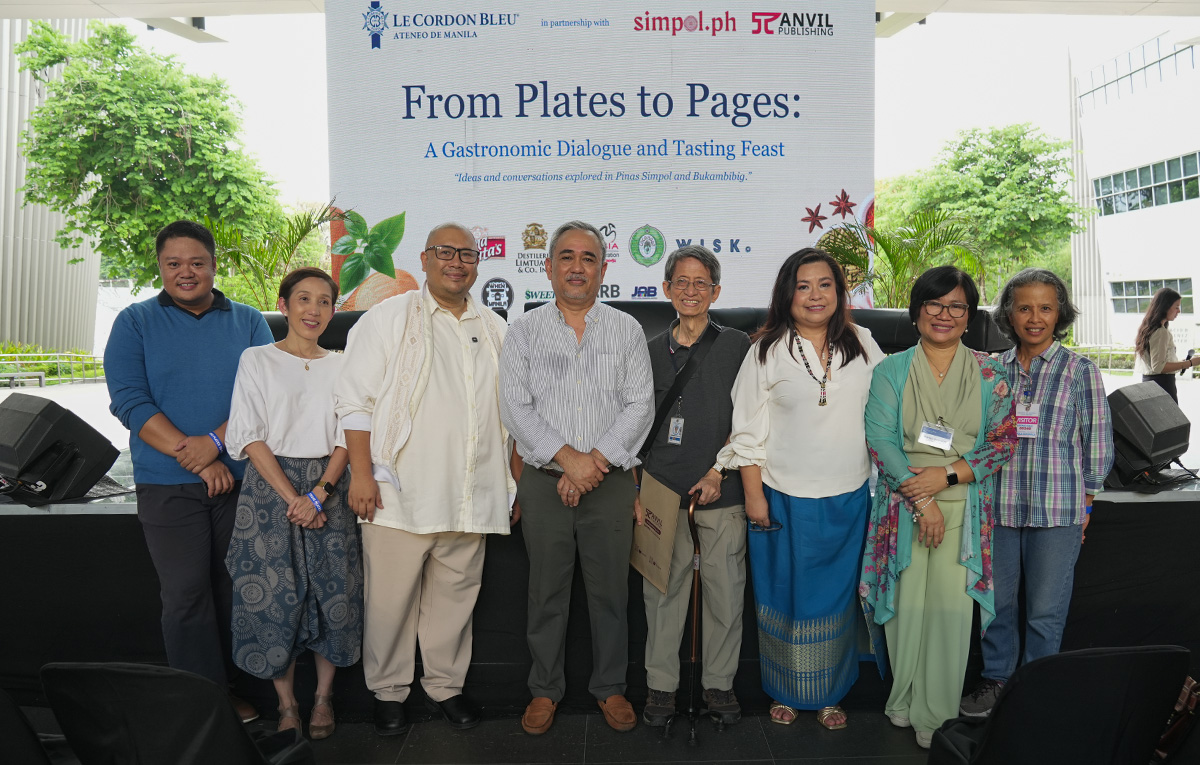
As Filipino cuisine continues to gain recognition around the world, From Plates to Pages: A Gastronomic Dialogue and Tasting offers a timely look at how Filipino food is being documented, studied, and elevated alongside global culinary traditions.
A Dialogue Beyond the Plate
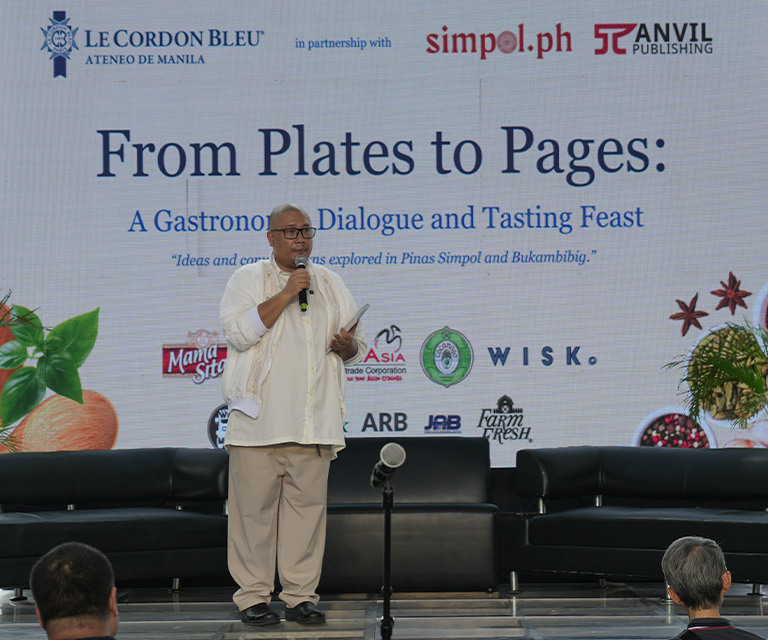
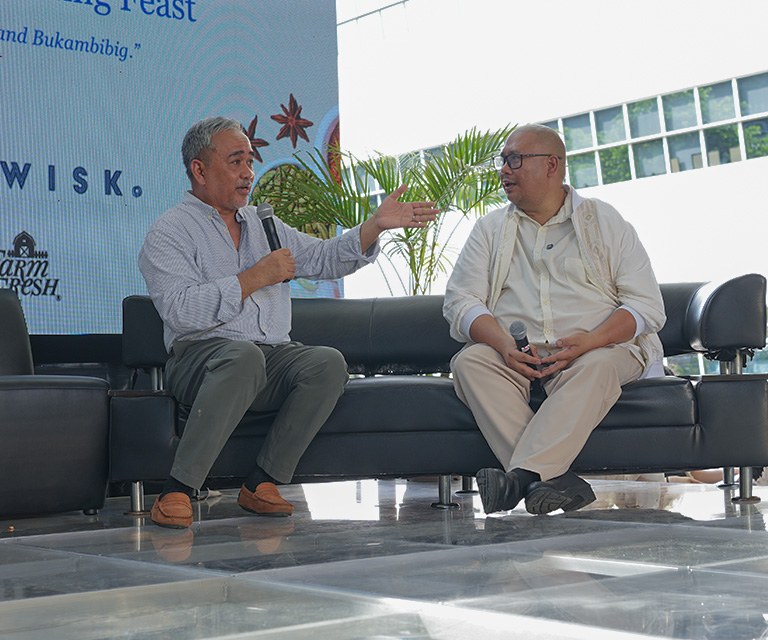
On May 21, 2026, culinary thinkers, chefs, scholars, and food enthusiasts gathered at Areté for From Plates to Pages: A Gastronomic Dialogue and Tasting. Organized in collaboration with Le Cordon Bleu–Ateneo de Manila, the landmark event transcended a simple celebration of food. Sparking an important cultural conversation on how writers and chefs define, document, and elevate Filipino cuisine on the global stage.
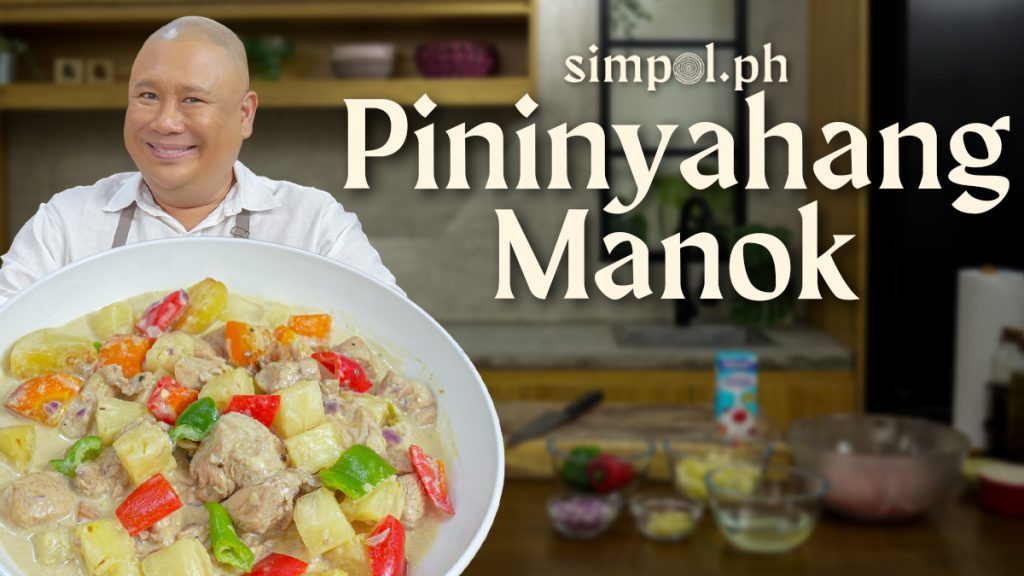
Two significant publications shaping contemporary Filipino culinary literature took center stage. Chef Myke ‘Tatung’ Sarthou’s Pinas Simpol: The Love and Lore of Filipino Cooking and Ige Ramos’s Bukambibig (Word of Mouth). Together, these books offer distinct yet complementary approaches to understanding Filipino cuisine. Framing it not simply as a collection of recipes, but as a living cultural archive.
Codifying Filipino Culinary Identity
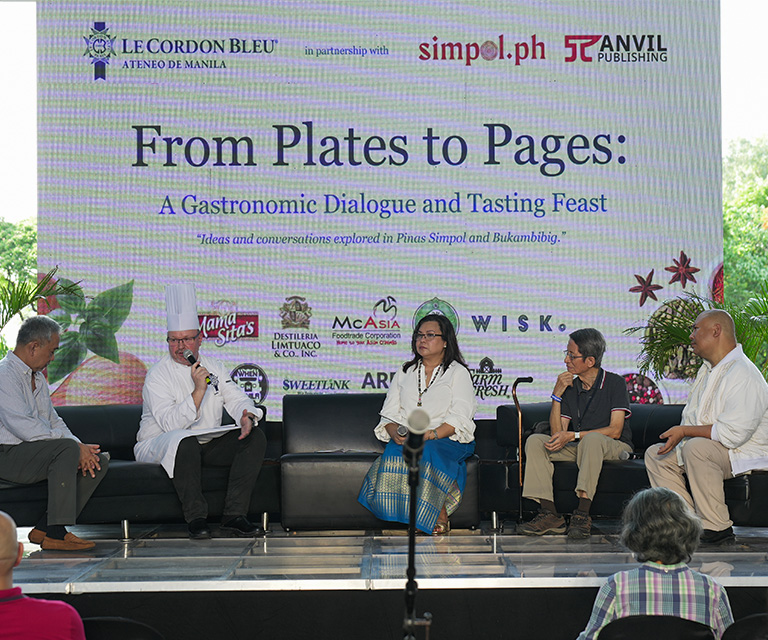
For decades, commentators have often discussed Filipino cuisine in relation to other global culinary traditions. Rarely granting it the same codification or academic framing afforded to traditions like French gastronomy. During the panel discussion, speakers explored how both Pinas Simpol and Bukambibig bridge this gap.
Chef Tatung explained that Filipino cooking possesses its own systems, discipline, and internal logic, introducing concepts such as the “Four Legs of the Filipino Table” and the Simpol ABC method. Ramos, meanwhile, approached Filipino food through history, memory, and cultural analysis. Situating it within broader conversations about identity, migration, and colonial influence.
Chef Cyrille Soenen of Le Cordon Bleu and Dr. Fernando Zialcita joined them. Deepening the discussion on how communities preserve, teach, and pass down culinary traditions through generations.
Filipino and French Cuisine in Conversation
A key theme throughout the afternoon was the relationship between Filipino and French gastronomy. Rather than positioning one above the other. The discussion emphasized their shared values: respect for ingredients, mastery of technique, and the importance of storytelling through food.
What is often described in Filipino cooking as tantsa or intuition was reframed as a form of culinary intelligence comparable to the precision celebrated in classical French methods. Speakers also noted how both cuisines evolved through centuries of regional exchange and adaptation. Continuously absorbing influences while maintaining strong cultural identities.
From Pages to Plates
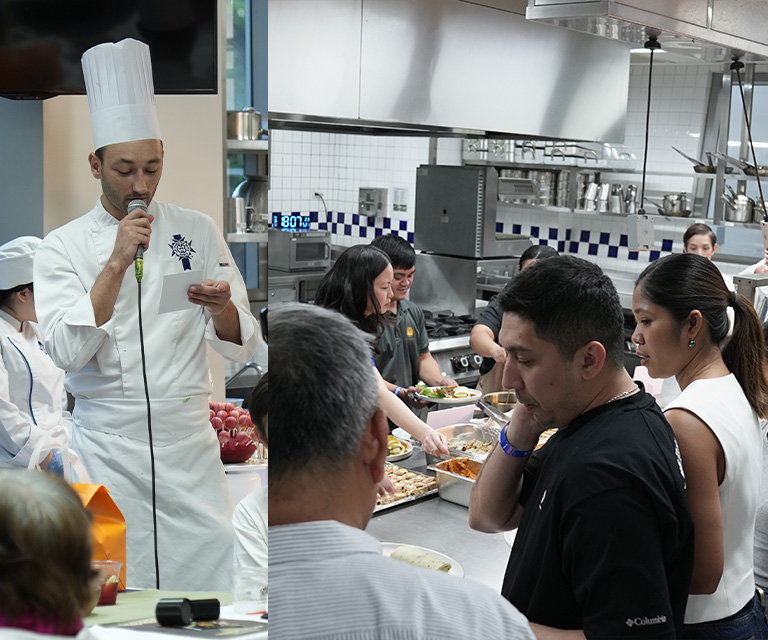
The evening concluded with a specially curated dinner that translated the discussion into a sensory experience. Guests were served dishes inspired by recipes and ideas from the works of Chef Tatung and Ige Ramos alongside culinary creations from Le Cordon Bleu.
The tasting menu became a continuation of the dialogue itself. Bringing together scholarship, tradition, and technique on a single table. By the end of the evening, From Plates to Pages affirmed that Filipino cuisine is no longer merely “emerging,” but increasingly recognized as a cuisine capable of intellectual discourse, cultural depth, and global relevance.
A Continuing Conversation
As the evening came to a close, From Plates to Pages left audiences with a deeper understanding of Filipino cuisine not only as a source of comfort and tradition, but as a dynamic cultural language worthy of global discourse.
The event demonstrated that Filipino food can stand confidently alongside the world’s most established culinary traditions while remaining rooted in its own identity, history, and ways of knowing.
By bringing together scholarship, storytelling, culinary practice, and shared dining, the gathering underscored the growing movement to preserve, articulate, and elevate Filipino gastronomy for future generations.
More importantly, it affirmed that the conversation surrounding Filipino cuisine is only beginning—one that continues to expand from kitchens and dining tables to classrooms, bookshelves, and international culinary spaces.
Read more Stories on Simpol.ph
KitchiZen: A Cultural Intervention
Chef Tatung Finds Calm in the Chaos with his new book Kitchizen – Available Now!