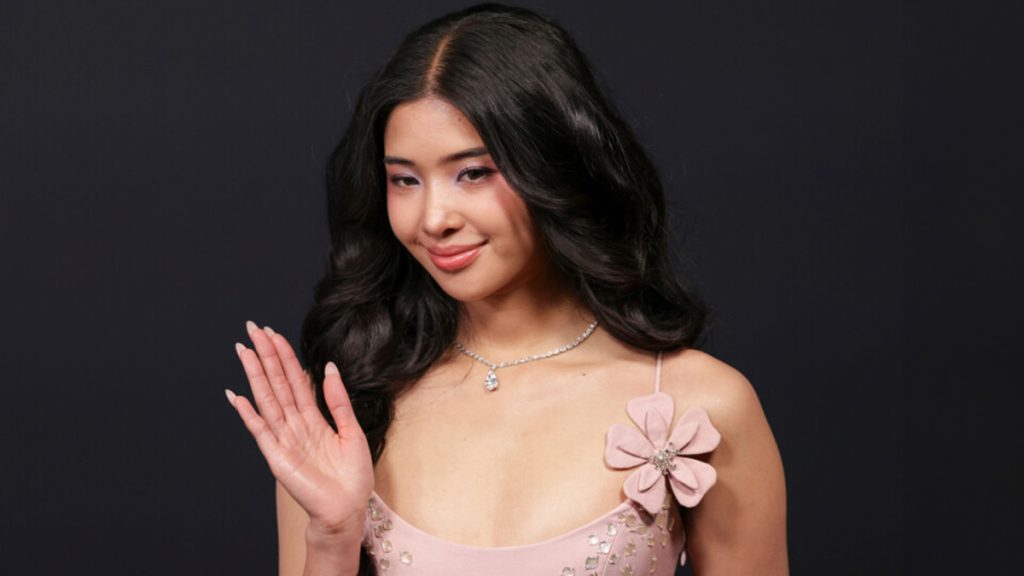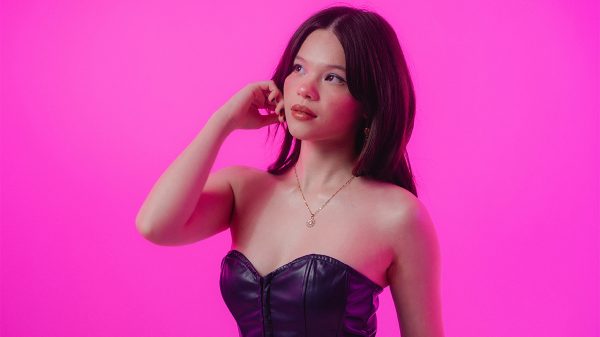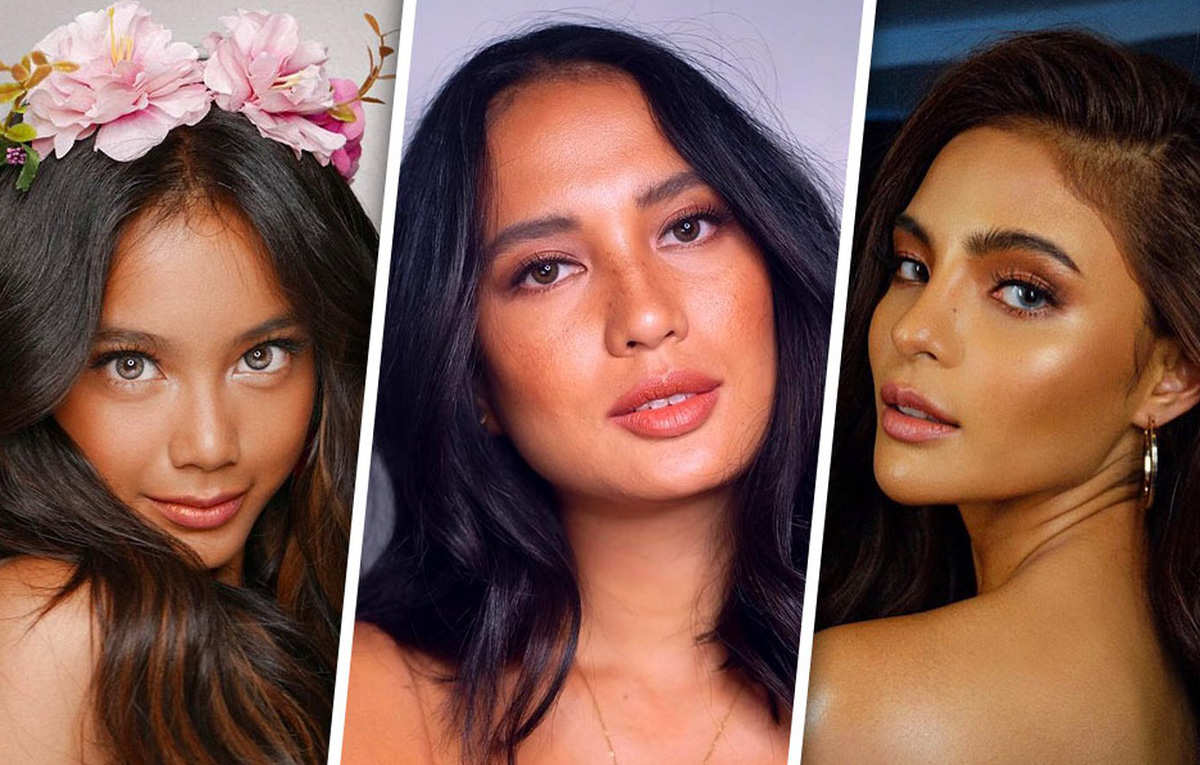
What does beauty mean in a country shaped by colonial history and evolving identity? Why does this question matter today? In an industry that shapes perception, representation is not merely visual—it directly influences how Filipinas see themselves. Addressing colorism is essential to fostering confidence, inclusivity, and a more accurate reflection of Filipino identity. In fact, the ongoing conversation about Filipina beauty standards and colorism in the Philippines is crucial for driving change.
For years, Philippine entertainment has upheld a narrow standard of beauty—one that favors lighter skin. This bias, rooted in colonial history and reinforced by media, has long influenced casting, endorsements, and visibility. Morena and kayumanggi Filipinas, despite being the majority, have often been underrepresented or confined to limited roles. Filipina beauty standards and colorism in the Philippines have shaped these outcomes and impacted self-image nationwide.

Colonial Roots and Lasting Beauty Standards
Colorism in the Philippines can be traced to Spanish and American colonization, during which lighter skin became associated with power and privilege. These ideals persisted in modern media, shaping beauty standards that remain visible today.
Even in contemporary television and film, lighter-skinned actors frequently dominate lead roles. This pattern reinforces a subtle hierarchy—one that continues to affect both opportunities within the industry and public perception. Notably, Filipina beauty standards and colorism in the Philippines play a significant role in shaping these industry preferences.
Breaking the Mold: Morena Representation Rising
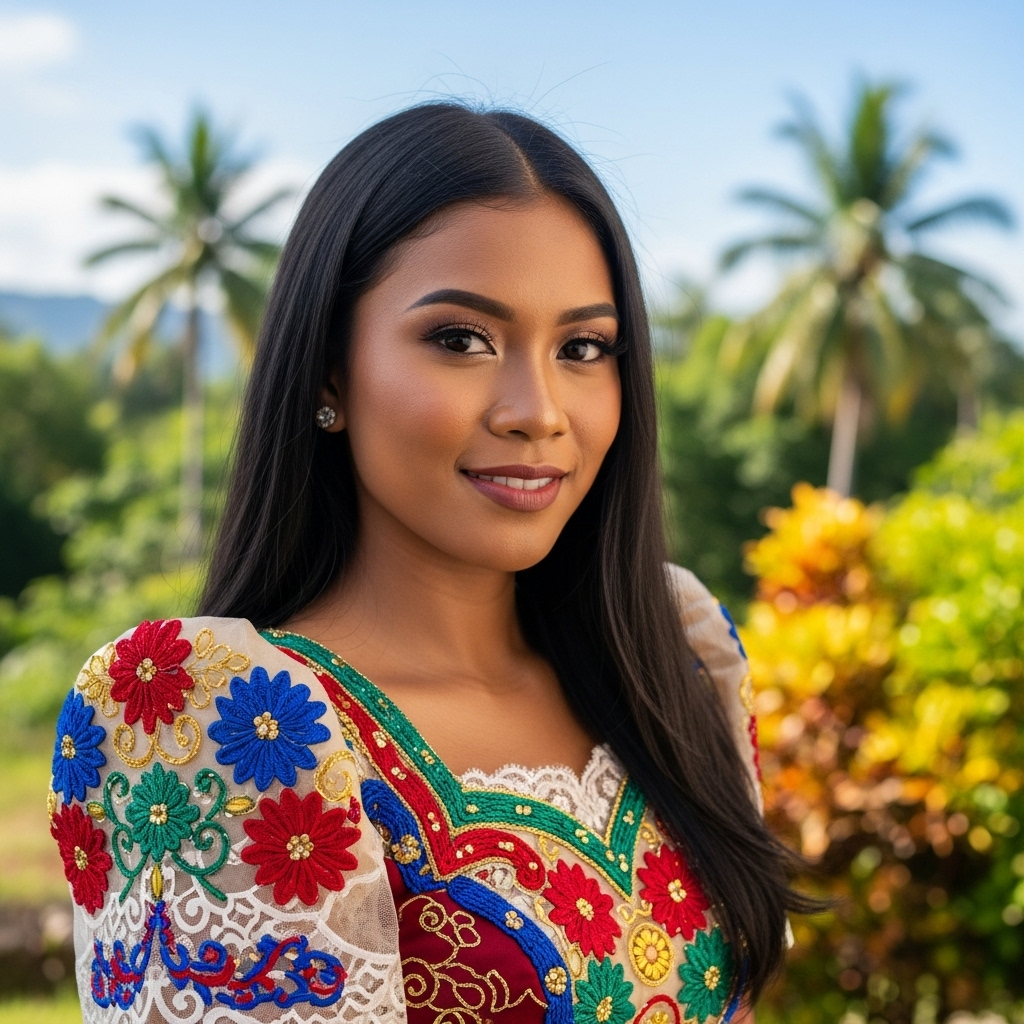
In recent years, a shift has begun to emerge. Morena Filipinas are becoming more visible, challenging long-standing norms and redefining beauty.
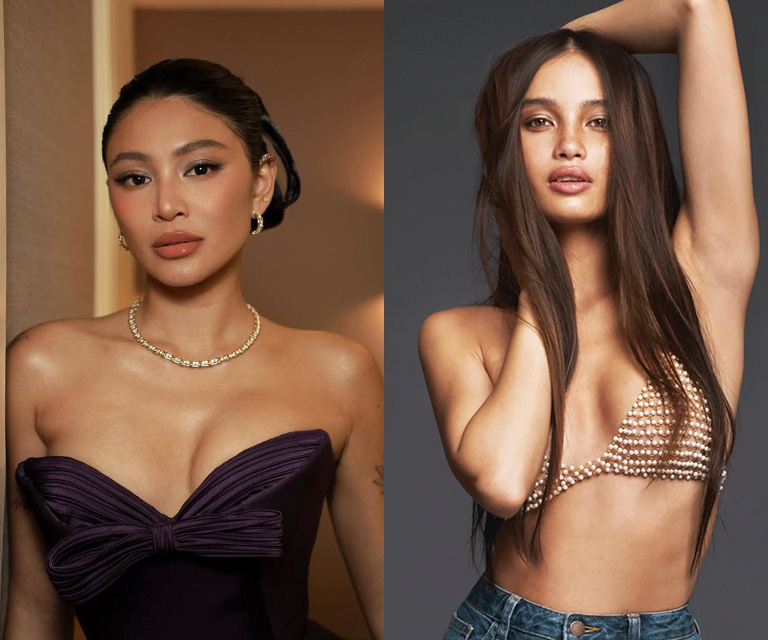
Figures like Nadine Lustre have openly embraced their natural skin tone, encouraging self-acceptance. She once shared, “I’ve learned to love my skin more because it’s who I am.” This message resonates with a generation that values authenticity over conformity.
Public figures such as Kelsey Merritt have also brought morena beauty to global platforms, demonstrating that Filipina representation can transcend traditional standards. Ultimately, Filipina beauty standards and colorism in the Philippines are being challenged and redefined by diverse voices.
The Role of Media and Digital Platforms
Social media has become a powerful space for change. Filipinas now have platforms to celebrate their identity, challenge stereotypes, and amplify morena beauty without relying solely on traditional media.
As one industry creative noted during a media discussion, “Audiences today want authenticity—they want to see real Filipinas, not idealized versions shaped by outdated standards.” This shift is prompting brands and producers to rethink representation.
Subtle Biases That Still Exist
Despite this progress, colorism remains embedded in the industry. It appears in advertising, casting preferences, and even lighting techniques that favor lighter skin.
The continued popularity of skin-whitening products highlights how deeply ingrained these ideals remain. Representation may be improving, but systemic change is still ongoing.
Identity, Confidence, and Cultural Impact
Colorism affects more than visibility—it shapes self-worth. Many young Filipinas grow up associating beauty with fairness, which can influence both confidence and identity.
Expanding representation helps challenge these narratives. When morena Filipinas are portrayed in empowered roles, it affirms that beauty is diverse and inclusive.

Redefining Filipina Beauty Today
The industry is gradually moving toward a broader definition of beauty—one that embraces the full spectrum of Filipino skin tones. This shift reflects a deeper cultural awakening, where identity is reclaimed rather than reshaped to fit external standards.
A Continuing Call for Representation
The conversation on colorism is far from over. While progress is evident, meaningful change requires consistent effort from media, brands, and audiences alike.
Embracing melanin is not merely a trend—it is a statement of identity and empowerment. It challenges outdated ideals while celebrating what has always been inherently Filipino.
In the end, representation is not just about visibility—it is about recognition, respect, and the freedom for every Filipina to define beauty on her own terms. Clearly, Filipina beauty standards and colorism in the Philippines continue to shape the way society views representation and identity.
Read more Stories on Simpol.ph
Embracing Filipina Beauty through the Resurgence of Black Eyed Peas’ “Bebot”
Glam Up for Your Big Day: Bridal Makeup Tips from Cairo Manta, the Artist Who Lets You Shine