As Filipino cuisine continues to define its place on the global stage, From Plates to Pages: A Gastronomic Dialogue and Tasting positions itself as a timely and significant cultural event that bridges Filipino culinary identity with the traditions of French gastronomy. In fact, the event will spark important conversations about Filipino cuisine global recognition and French gastronomy dialogue. Set on April 24, 2026, at Areté, Le Cordon Bleu–Ateneo de Manila, the gathering brings together thought leaders, chefs, and authors to explore how Filipino food is articulated, understood, and elevated through both scholarship and practice.
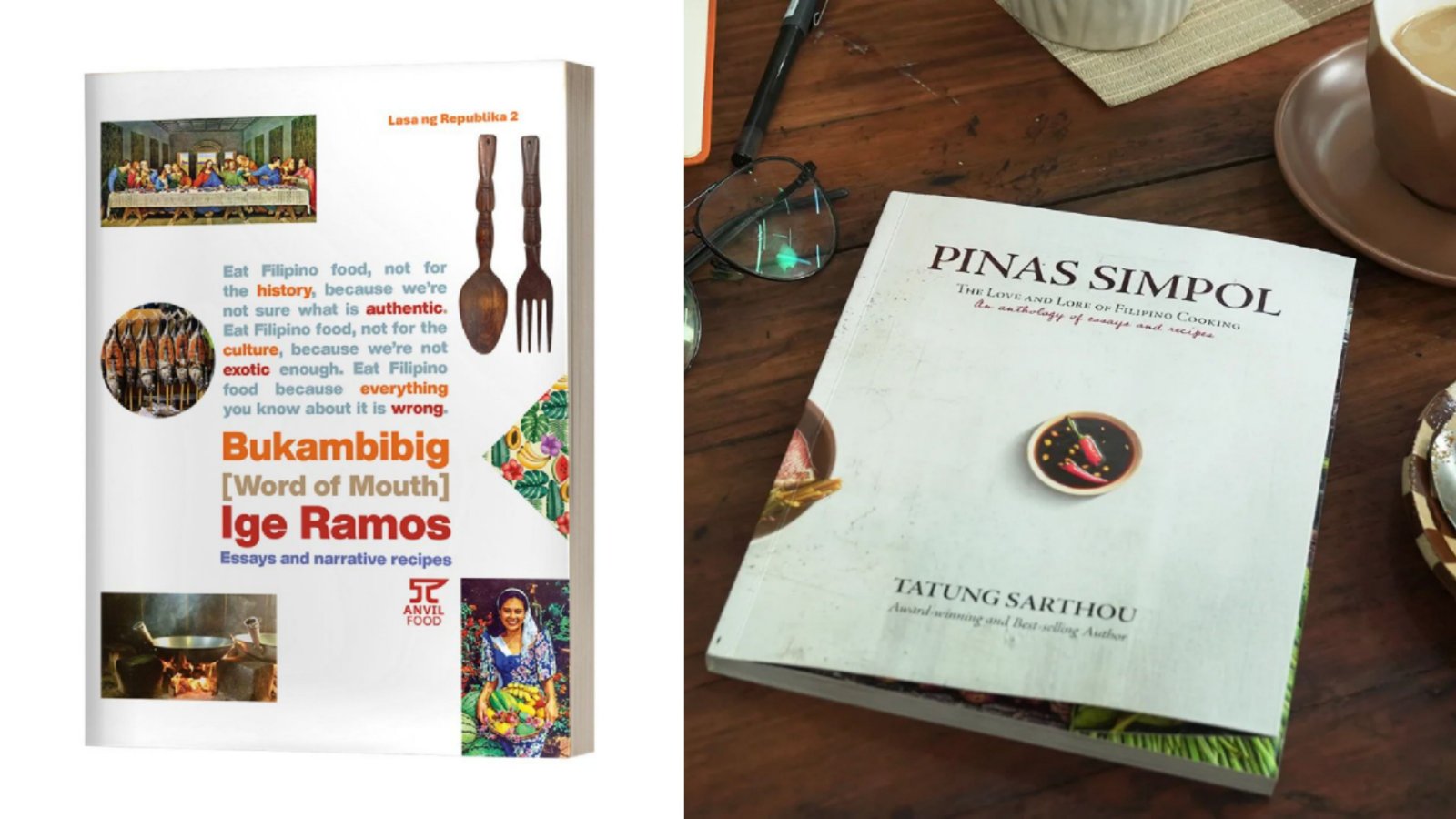
At the center of the event are Bukambibig (Word of Mouth) by Ige Ramos and Pinas Simpol: The Love and Lore of Filipino Cooking by Chef Myke “Tatung” Sarthou—two landmark works that contribute to the growing body of literature defining Filipino cuisine. Their significance lies not only in documenting recipes or traditions but also in offering frameworks that explain Filipino food with clarity, depth, and cultural grounding. Notably, the books are part of a broader Filipino cuisine global recognition and French gastronomy dialogue taking place in the world culinary scene.
The Significance: Codifying a Living Culinary Heritage
For decades, one of the challenges facing Filipino cuisine has been its limited codification compared to globally dominant culinary traditions such as French cuisine. French gastronomy is widely recognized for its structured systems, technical precision, and extensive culinary literature—qualities that have enabled it to be taught, replicated, and respected worldwide.
Bukambibig and Pinas Simpol respond directly to this gap. Ramos, through critical essays and narrative recipes, examines Filipino cuisine as a cultural and historical text, challenging misconceptions and positioning it as a sophisticated and evolving body of knowledge. Sarthou, in contrast, introduces structured frameworks such as the Four Legs of the Filipino Table and the Simpol ABC method, demonstrating that Filipino cooking possesses its own systems, logic, and discipline.
Together, these works represent a crucial step toward codifying Filipino cuisine—not by imitating foreign standards but by articulating its inherent intelligence on its own terms. Furthermore, the influence of Filipino cuisine global recognition and French gastronomy dialogue becomes apparent in these efforts to define national identity through culinary literature.
The Relationship: Filipino and French Cuisine in Dialogue
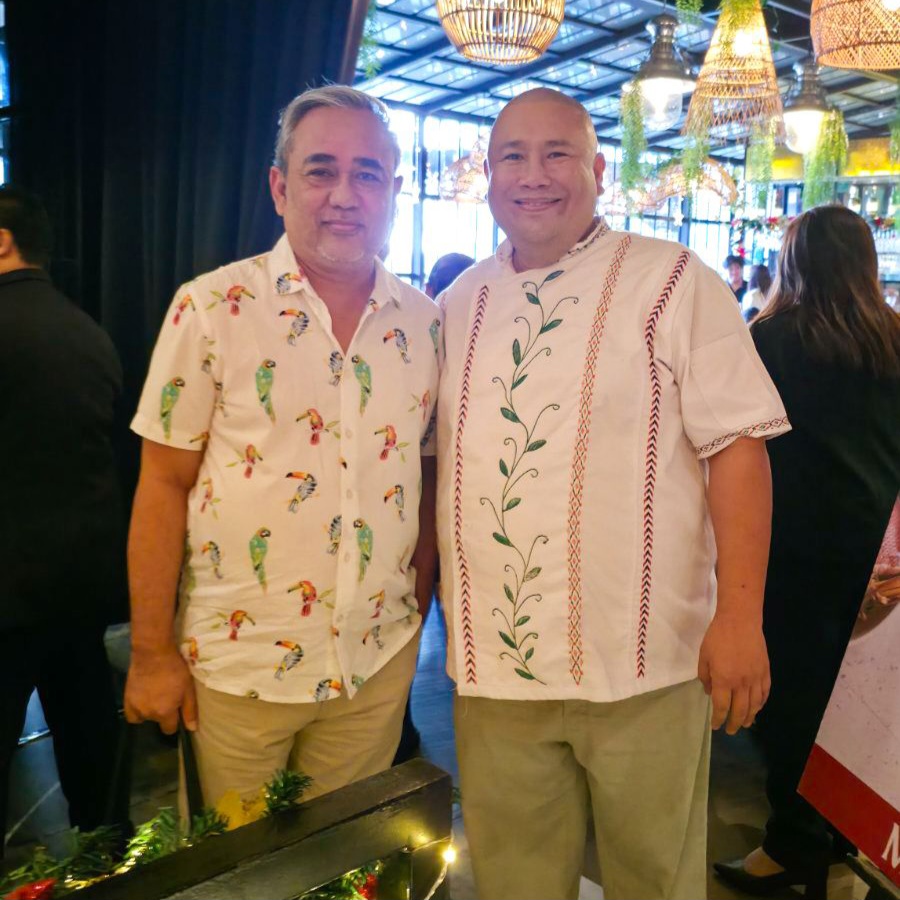
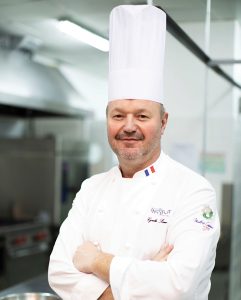
The event’s collaboration with Le Cordon Bleu–Ateneo de Manila and the participation of Chef Cyrille Soenen underscore a meaningful intersection between Filipino and French culinary traditions. Rather than positioning one above the other, the dialogue highlights how both cuisines share foundational values: respect for ingredients, attention to technique, and the transmission of knowledge across generations.
French cuisine, long regarded as a global benchmark, offers a model of how culinary traditions can be preserved and systematized. Filipino cuisine, as presented in both books, reveals parallel strengths—its adaptability, regional diversity, and deeply embedded cultural narratives. What has often been described as tantsa (intuition) in Filipino cooking is reframed in Pinas Simpol as a form of intelligence comparable to the precision found in classical French methods.
At the same time, Bukambibig situates Filipino food within a broader global and historical context, showing how it has absorbed and transformed influences, including European ones, into something distinctly Filipino. This mirrors the way French cuisine itself has evolved through centuries of regional exchange and refinement. As a result, Filipino cuisine global recognition and French gastronomy dialogue are becoming key themes in culinary scholarship and international events.
A Shared Culinary Future
The significance of this event lies in its ability to create a space where Filipino cuisine is not merely showcased but critically engaged alongside one of the world’s most established culinary traditions. It signals a shift from viewing Filipino food as “emerging” to recognizing it as a cuisine capable of dialogue, scholarship, and global relevance.
By connecting the insights of Bukambibig and Pinas Simpol with the discipline and legacy of French gastronomy, From Plates to Pages affirms that Filipino cuisine is entering a new phase—one that is more defined, more confident, and more visible on the world stage.
The public is invited to attend this landmark event and witness a conversation that not only celebrates Filipino food but also situates it within the broader language of global culinary excellence. Ultimately, the continued Filipino cuisine global recognition and French gastronomy dialogue will reshape perceptions of both traditions worldwide.
Read more Stories on Simpol.ph
KitchiZen: A Cultural Intervention
Chef Tatung Finds Calm in the Chaos with his new book Kitchizen – Available Now!