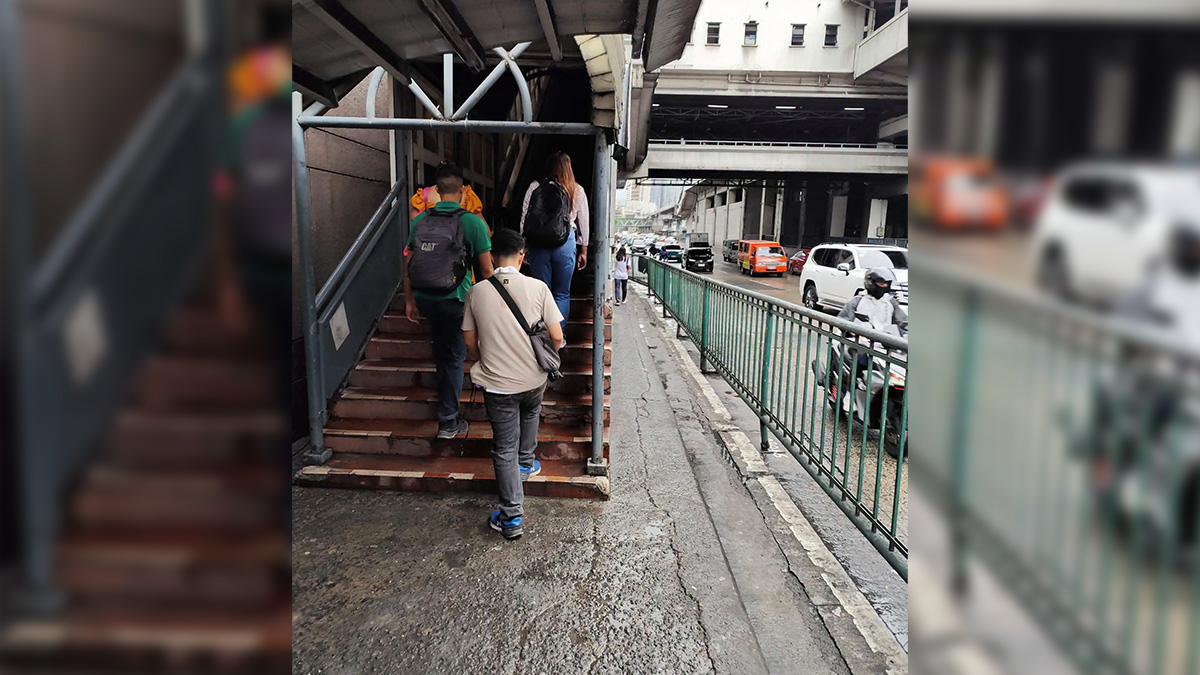
This has become our daily reality.
Heavy traffic, treacherous walking conditions, and unpredictable road obstructions.
Consequently, us commuters are constantly forced to adapt to an increasingly hostile environment.
For instance, ask yourself: how late were you today?
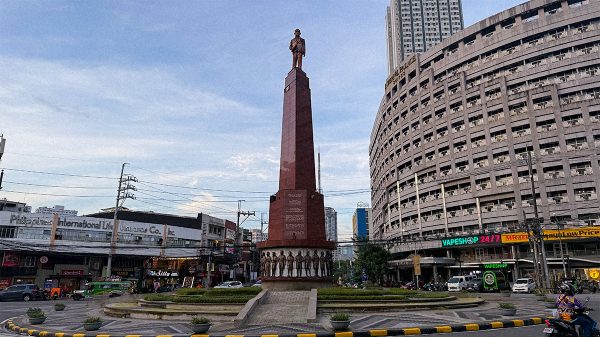
As a matter of fact, the wet season has officially arrived in the Philippines, forcing thousands of workers to literally waterproof their daily routines. Just this week, a sudden clash of torrential rain and heavy traffic created a painfully long commute. To make matters worse, early-morning protests near the EDSA People Power Monument caused severe gridlock as early as 8:00 AM.
Even though it is only the beginning of July, Filipino commuters are already shifting into survival mode. Therefore, extra preparation is no longer just a recommendation—it is a necessity.
Pack Your GO Bag: Clothes and Emergency Kits
First and foremost, we all know that our city streets are fundamentally car-dominated. Unfortunately, pedestrian-safe roads are rarely a priority for everyday commuters. Hence, taking extra precautions is the only way to stay ahead of the elements.
Granted, public utility jeepneys offer tarapals to block out the downpour, but the risk of getting completely drenched remains dangerously high. In addition to the physical hassle, a rainy commute triggers a domino effect of workplace worries, such as:
- Ruined laundry and extended drying times
- Strict office dress code policies
- The pure discomfort of sitting in wet shoes all day
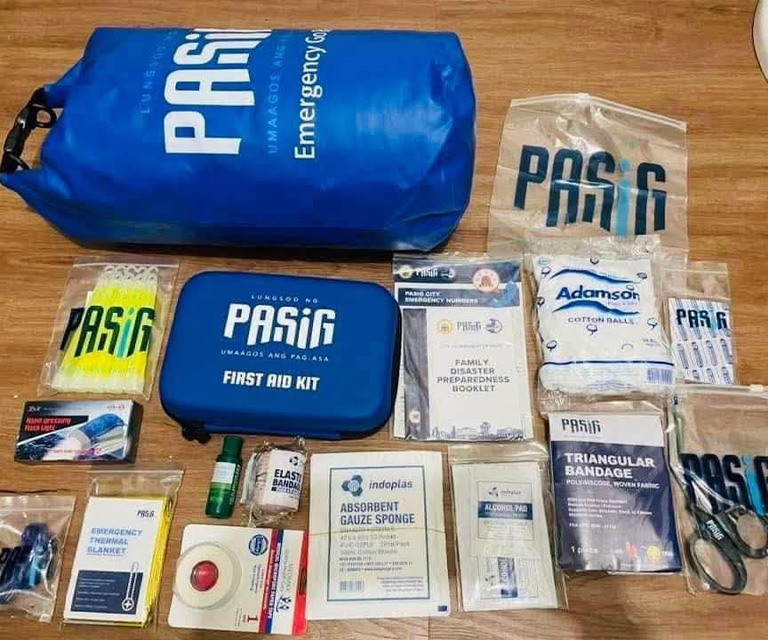
To combat this, always pack a GO bag to save your day.
It’s been a survival trend surfacing the net where citizens are packing a compact bag.
Specifically, your emergency stash should include a comfortable shirt, a change of pants, and clean undergarments. Furthermore, an extra pair of socks is absolutely essential, given how rapidly our roads turn into rivers.
Finally, to be truly extra prepared, make sure to secure these items inside a waterproof dry bag or plastic pouch, and don’t forget a safety hygiene kit complete with alcohol spray, wet wipes, and spare plastic bags.
Conserve Power and Track the Weather Ahead
Meanwhile, flexibility can play a huge role in your comfort. Depending on your office culture and workplace vibe, some companies temporarily ease up on dress codes, allowing appropriate shorts and casual footwear during heavy rains.

Consequently, keeping a close eye on the weather forecast will give you a significant advantage. For example, if the weekly outlook predicts nonstop downpours during your peak travel hours, checking your weather app before leaving allows you to strategically plan your outfits and pack the right gear.
Aside from clothing adjustments, electronic preparedness is equally vital. With this in mind, ensure that all your devices—especially your power banks—are fully charged before you leave the house. Moreover, try to conserve your battery by using your gadgets only when absolutely necessary, saving your power for critical navigation or emergency communication.
On top of that, don’t hesitate to request a Work-From-Home setup if conditions deteriorate.
Ultimately, if the roads pose a genuine safety hazard, your management will likely understand the necessity of keeping you safe under your own roof.
Revisit Your Food Inventory List
On the other hand, surviving the wet season isn’t just about the journey.
It is also about hunkering down when the weather takes a turn for the worse. Staying stuck indoors can quickly feel isolating, especially since local tindahans (sari-sari stores) might close early to secure their own properties from rising floods.
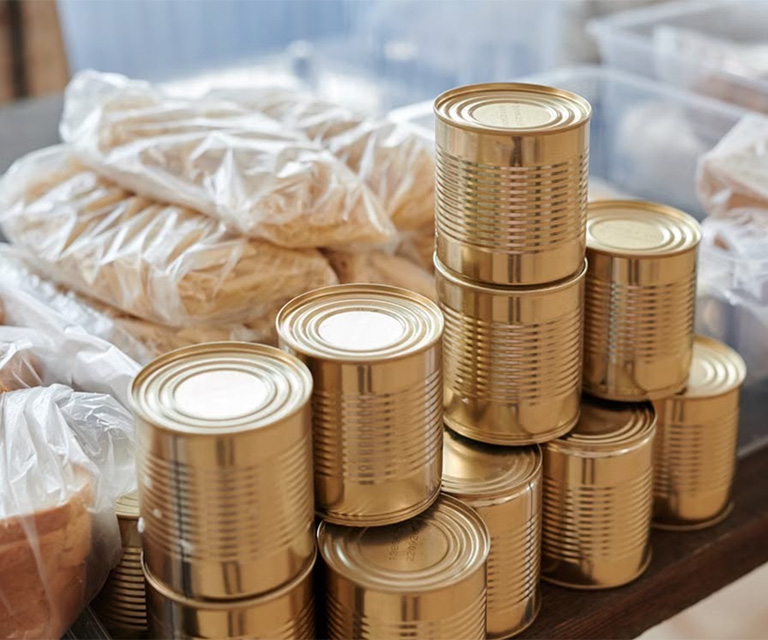
As a result, stocking up on essential goods ensures that you won’t run out of options while riding out a storm at home. While no one likes to imagine worst-case scenarios, history shows that climate-induced disruptions and flash floods can leave communities temporarily stranded.
To prepare for this, take the time to restock your pantry with adequate food and clean drinking water. In particular, focus on buying shelf-stable canned goods.
Not only are they easy to store, but they are also highly mobile and quick to pack if an emergency evacuation becomes necessary.
The Filipinos have come a very long way in terms of resilience.
However, every passing year reminds us that we must become smarter, sharper, and more proactive in navigating this ongoing climate crisis.
So, before the next storm hits, make sure to share these tips.
Remind your friends and family to stay extra prepared.
Stay safe out there!
Read more Stories on Simpol.ph
BRB, Auditing Life: The Mid-Year Mental Reset
Tanghalang Pilipino Past Forwards to 40
Go Indie. Start Your Film Production With Your Friend’s Camera