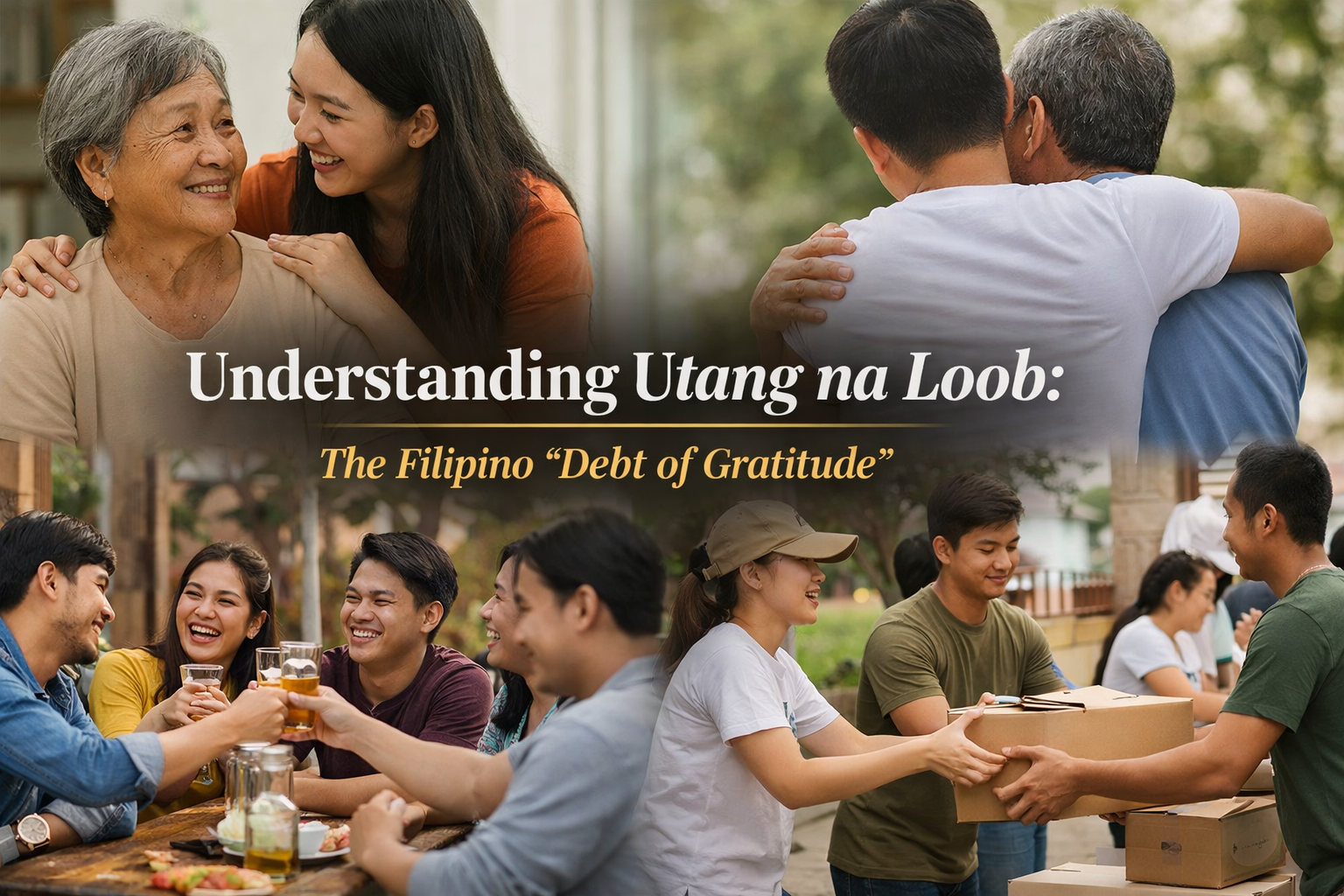
For many Filipinos, understanding utang na loob isn’t merely an academic exercise — it’s a lived experience that shapes how we interact with family, friends, and community. This cultural value, often translated as “debt of gratitude,” molds expectations about loyalty, reciprocity, and care, influencing decisions from everyday kindness to major life commitments. In a society where familial ties and shared support systems are key pillars of personal identity, acknowledging and navigating utang na loob helps us forge deeper connections and better understand why relationships matter so profoundly. Notably, Utang na Loob Filipino Cultural Value continues to influence attitudes and behaviors across generations.
The Heart of Utang na Loob
Utang na loob — literally “a debt of one’s inner self (loob)” — is a uniquely Filipino cultural trait rooted in gratitude and reciprocity beyond material measures. Unlike ordinary debt, it reflects an internal moral obligation to someone who has significantly helped us, grounded in a shared sense of identity and community within the broader Utang na Loob Filipino Cultural Value context.
Scholars in Filipino psychology describe utang na loob as part of the “accommodative surface values” that guide social harmony, where the act of returning a favor honors not just actions but relationships. In essence, utang na loob transforms kindness into a living bond — one that shapes how families care for elders, friends support each other, and even how community networks are maintained. The importance of the Utang na Loob Filipino Cultural Value is evident in these everyday exchanges.
A Value in Practice — Feedback from Filipino Society
The importance of utang na loob isn’t just theoretical — Filipinos express it in real-life narratives. In discussions among young adults, many reflect on the tension between honoring cultural expectations and forging individual paths: “Ang utang ng loob tinatanaw (ng umutang) at hindi sinisingil…” — a sentiment recognizing that true utang na loob is honored, not demanded.
In everyday life, the value often surfaces in family dynamics, such as children caring for aging parents not out of obligation but from heartfelt gratitude. Commentators in Philippine opinion pieces also highlight how this value can evolve into a form of mutual support rather than a burdensome obligation, reminding us that utang na loob is about love and service, not just repayment.
Balancing Tradition and Modern Life
While utang na loob continues to be a source of strength in Filipino life, it also invites critical reflection. Some social commentators have pointed out how the concept, when misinterpreted or misused, can create undue pressure or expectations that overshadow personal well-being. Still, Utang na Loob Filipino Cultural Value remains relevant as society evolves.
The evolving conversation encourages Filipinos — especially younger generations — to uphold this value with clarity and compassion: to see it not as a ledger of favors owed but as an ongoing expression of gratitude that strengthens bonds without eroding individual dignity.
Why Understanding Utang na Loob Matters Today
In modern Filipino life, utang na loob remains influential because it helps explain how and why relationships endure, why family obligations feel significant, and how acts of kindness ripple through communities. Recognizing its role enriches our understanding of Filipino identity and empowers us to honor our cultural heritage without being confined by it. Ultimately, Utang na Loob Filipino Cultural Value endures as a core element of Filipino social interaction.
For readers seeking deeper insight into Filipino values, appreciating the subtle balance between gratitude and autonomy offers both personal clarity and a richer connection to the lived experiences of millions within the Philippine cultural landscape.
Read more Stories on Simpol.ph
Kape + Co Working: Inside the Café Hustle Culture of Filipino Freelancers
Heatwave Hacks: Creative Ways Filipinos Are Beating the Summer Init