When we talk about the Philippine Revolution, our minds instantly drift to battlefield smoke, dramatic sword draws, and fiery speeches in the forest. But history reveals that some of the most critical battles of our freedom weren’t just fought with bolos and muskets–they were plotted, fueled, and protected right inside the home kitchen. For our unsung female heroines, the hearth was never just a place to cook, it was an underground command center where the future of the nation was quietly sustained.
Tandang Sora’s Sanctuary and the Power of a Hot Meal
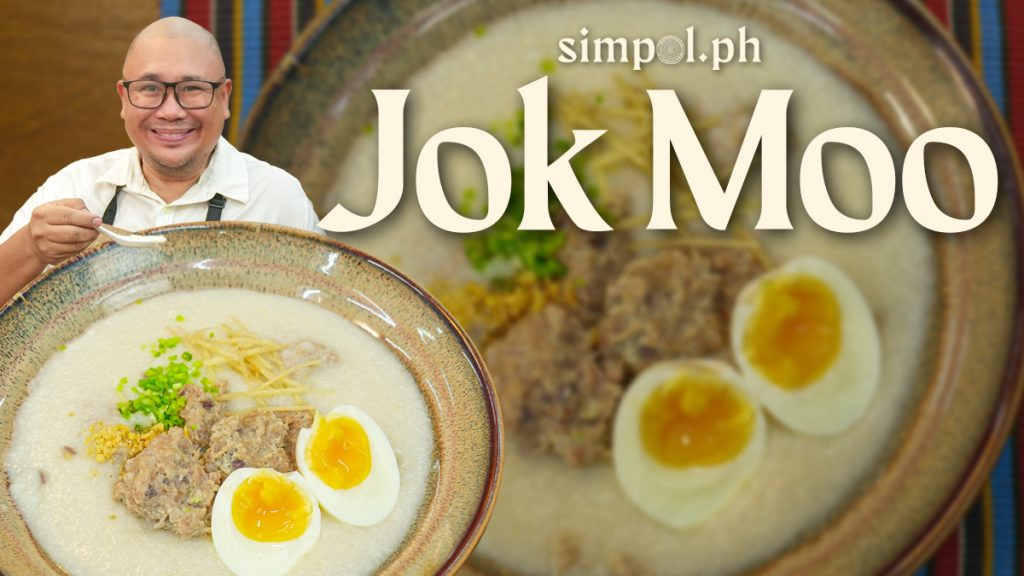
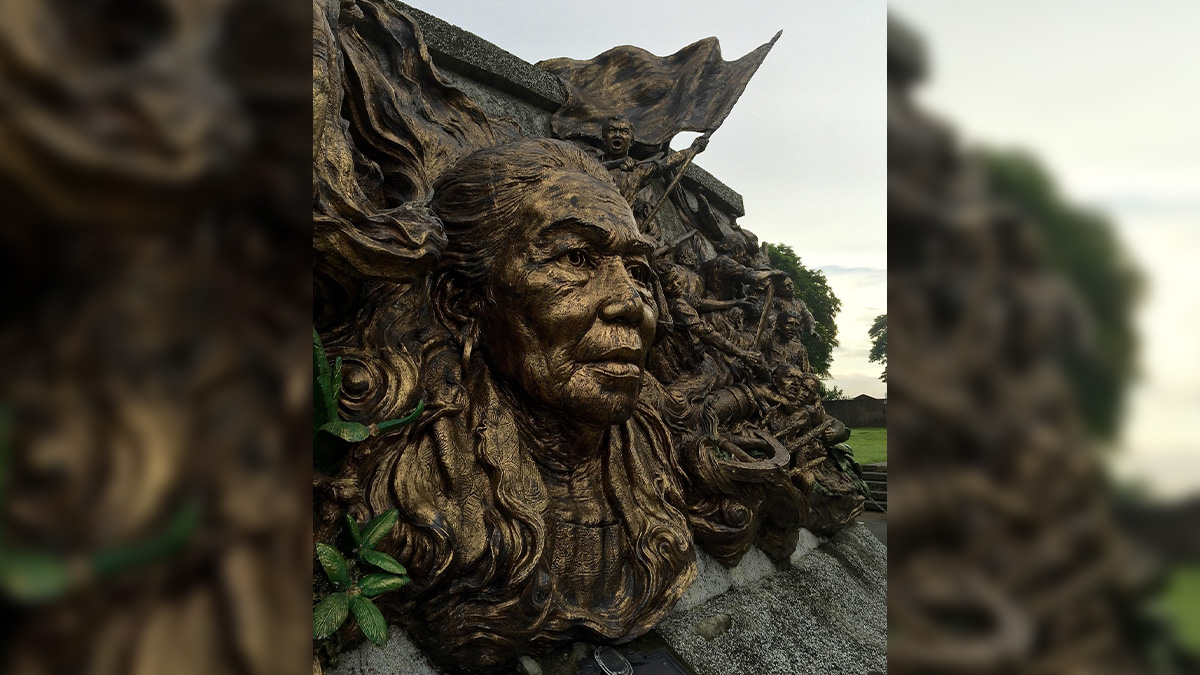
Take, for instance, the mother of the Katipunan herself, Melchora Aquino. Better known as Tandang Sora, she operated a modest general store and kitchen in Banlat that served as a vital sanctuary for starving, exhausted revolutionaries. While authorities searched for armed fighters in the streets, Tandang Sora was quietly boiling massive pots of Arroz Caldo or rustic chicken soups to nurse the wounded back to health and send them back to the fight with renewed strength. Her store gave revolutionaries a legitimate cover, proving that a hot bowl of soup can sometimes be just as revolutionary as a weapon.
There is a ferocious power in a woman holding a wooden ladle while guarding the blueprint of a nation’s freedom.”
Domestic Camouflage and the Lakambini’s Kitchen
Across town, figures like Gregoria de Jesus, the Lakambini of the Katipunan–mastered the art of domestic camouflage. Imagine the high-stakes tension of hiding secret organizational registries, membership papers, and revolutionary funds right underneath baskets of market goods, fresh produce, and cooking ingredients.
To colonial authorities, these women were simply managing households, tending to markets, or running errands. To the Katipunan, they were brilliant logistical masterminds using the everyday rhythm of domestic life to outsmart the enemy under the very noses of the colonizers.
True heroism doesn’t always demand a battlefield”
Sometimes, it looks like a warm, steady meal prepared with boundless courage in the middle of a chaotic world.
The Modern Table as a Safehouse
This brings us to our own kitchens today, where the spirit of those secret safehouses lives on. Cooking a warm, comforting pot of food isn’t just about feeding a physical appetite, it is an act of care and quiet endurance against the stress of modern life. When the world feels overwhelming, a steaming meal has a magical way of gathering our own “troops” our family and friends, and making us feel safe, grounded, and understood. A full stomach is the first line of defense, and the family dinner table is where our truest cultural identity and sense of belonging are fiercely protected.
Bringing the Heroism Beyond The Holiday
As the holiday flags come down and we step right back into the hustle of our regular work days, it’s easy to let the spirit of National Heroes’ Day fade until the calendar calls for it again. But true heroism, especially the kind pioneered by Tandang Sora and our revolutionary women–doesn’t clock out when the holiday ends. It lives on in the quiet and repeating rhythms of our everyday lives.