Food has a quiet way of overcoming geography, turning thousands of miles of ocean into a shared table. In fact, vast oceans separate the coastlines of Peru and the Philippines. Yet a deep, historical kinship unites their culinary lineages. Shared Spanish influences, indigenous resourcefulness, and a profound reverence for coastal abundance seamlessly bind these two worlds together.
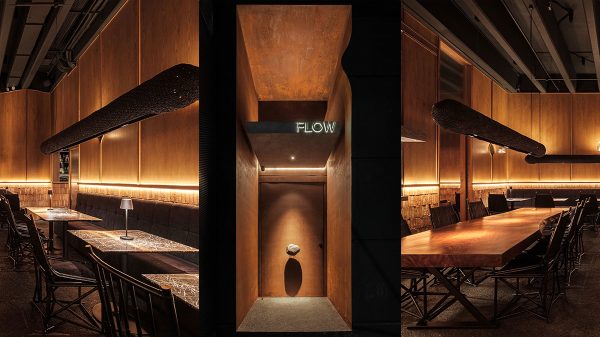
To honor this connection, Executive Chefs Kevin Uy and Gabriel Ong leverage this cultural crossover in Restaurant FLOW’s second tasting menu. Treating it not as a gimmick, but as a dynamic canvas for storytelling. Specifically, they transform traditional Peruvian street fare, family recipes, and ancestral cooking techniques by grounding them directly in the vibrant bounty of Philippine ingredients.
Through this approach, the new degustation actively bridges two distinct food cultures. Ultimately, it proves that chefs can elevate home-style comfort dishes through fine dining precision while preserving the vibrant soul of the traditions that birthed them.
A Second Act Rooted in Memory
For Restaurant FLOW’s second tasting menu, the culinary duo shifts focus from grand geographical landscapes to the intimate, comforting dishes. Found in neighborhood homes and street corner carts.
The new menu is inspired by a good mix of my life in Peru. What I would eat and enjoy daily,” Uy reflects.
This is what the abuelas would cook, and what you would find in street carts and taverns.”
To capture that authentic essence, the team turned to local substitution without losing the spirit of the originals.
If we cannot find a certain ingredient used in the original recipe, we find something close here in the Philippines and explore ways to make it taste like the authentic version,” Ong explains.
Finding Precision in the Heat
Translating home-cooked classics into a refined dining format pushed the team to refine their culinary technique. Uy admits that technical precision was something they wanted to sharpen after their debut season.
Ong likens their opening last December to a “trial by fire,” but notes that the intense experience built the restaurant’s core identity.
That foundation was everything we needed to become more technical and precise,” he shares.
This technical growth is driven by the dynamic partnership between the two leaders. Uy steers the creative vision, drawing from personal memories to conceptualize each dish. Meanwhile, Ong grounds those concepts in kitchen operations, turning creative ideas into consistent execution.
Furthermore, this second chapter encouraged broader kitchen collaboration. Sous Chef Betina Carangan took charge of the pastry program, developing the menu’s sweet course-enders.
FLOW isn’t just me or Gato. FLOW is all of us,” Uy emphasizes.
From Port Cities to Mountain Feasts
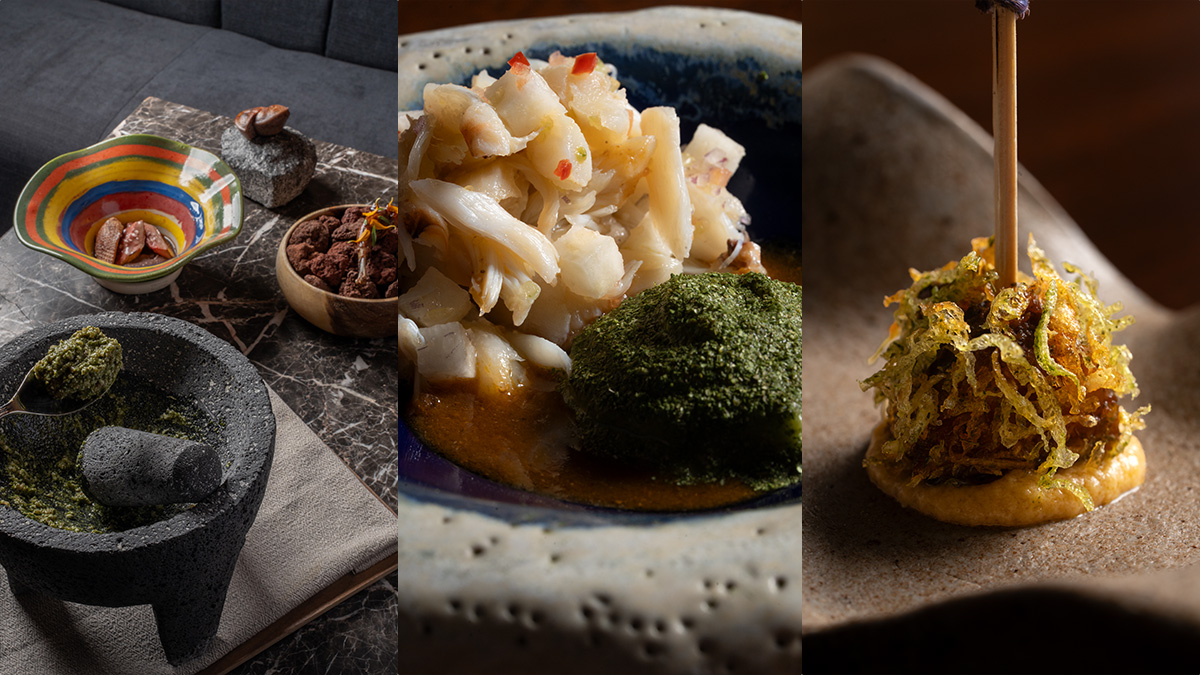
The dining experience begins with a comforting bowl of Aldo de Gallina. A traditional chicken soup featuring delicate slices of tinigib pasta and poultry bathed in a rich, creamy broth. Next, transitioning from home kitchens to the coastal city of Callao. The second course presents Parihuela. In this dish, a concentrated seafood sauce highlights Blue Swimmer Crab. Which pairs with avocado puree, dried cilantro, and flaky aligue flatbread.
From the coast, the voyage moves directly to the vibrant avenues of Lima with the Ronda Marina sampler. Diners first sample a clam toast presented in an ornamental vessel of clam shells and salt dough, inspired by Almejas a la Chalaca. They then move to a savory sphere of grilled octopus reminiscent of Anticuchos. Before finishing with a Nikkei-inspired Tiradito that highlights abalone sashimi in a bright yellow Habanero emulsion.
In the next sequence, classic favorites return through thoughtful, localized reinterpretations. Their rendition of Ceviche, Peru’s national dish, presents the fresh catch of the day immersed in a cacao leche de tigre and paired with fermented yacon. Similarly, the Chupe de Camaron reimagines tradition by featuring grilled ulang coated in a rich head-sauce reduction. Served alongside chewy cassava balls, smoked greens, and a crisp cassava veil.
Finally, honoring Incan traditions, a course inspired by the Pachamanca underground oven brings a mountain feast directly to the table. Presented on dramatic dinnerware, the dish highlights roasted pigeon breast with Kadyos sauce and Marigold Uchucuta. A fermented black rice cake, and a glazed pigeon leg confit. As Chef Uy notes, the team chose pigeon specifically because;
it provides a cleaner, more robust mouthfeel.”
A Sweeter and Refined Finish
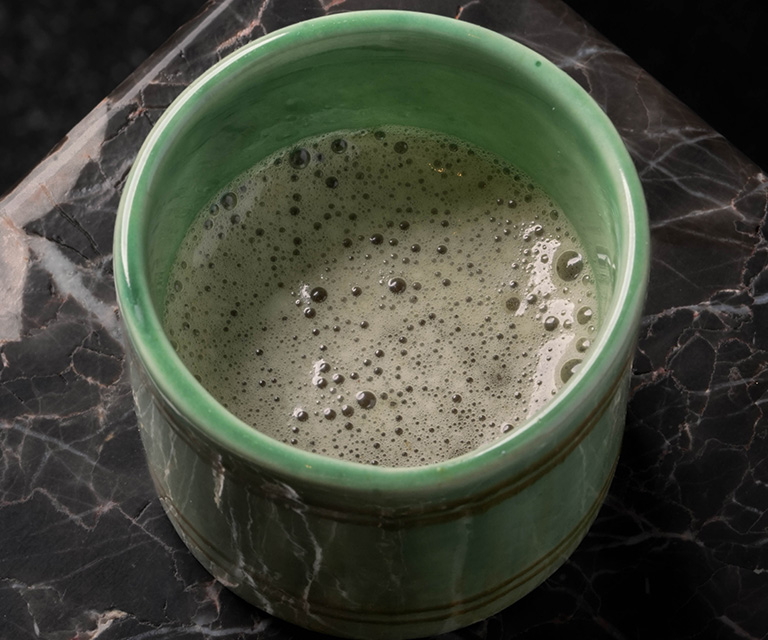
Before moving to dessert, guests receive a palate cleanser inspired by Emoliente, a traditional street-cart herbal tea made with chamomile, lemongrass, and flaxseed.
The sweet courses draw direct inspiration from classic street fare, beginning with the Combinado. This local spin on Arroz con Leche balances creamy rice pudding with fruit preserves, featured here as Nangkasuy with jackfruit textures, adlai cooked in cashew butter, and roasted cashews.
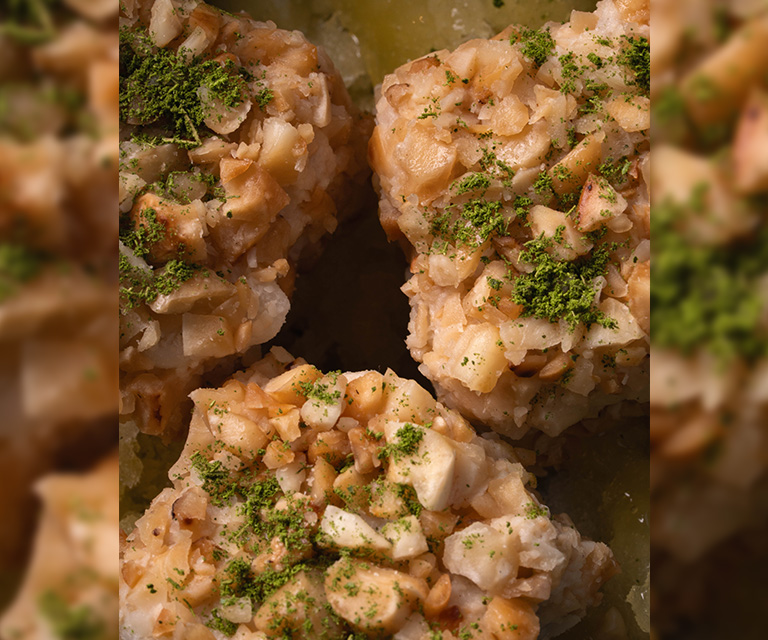
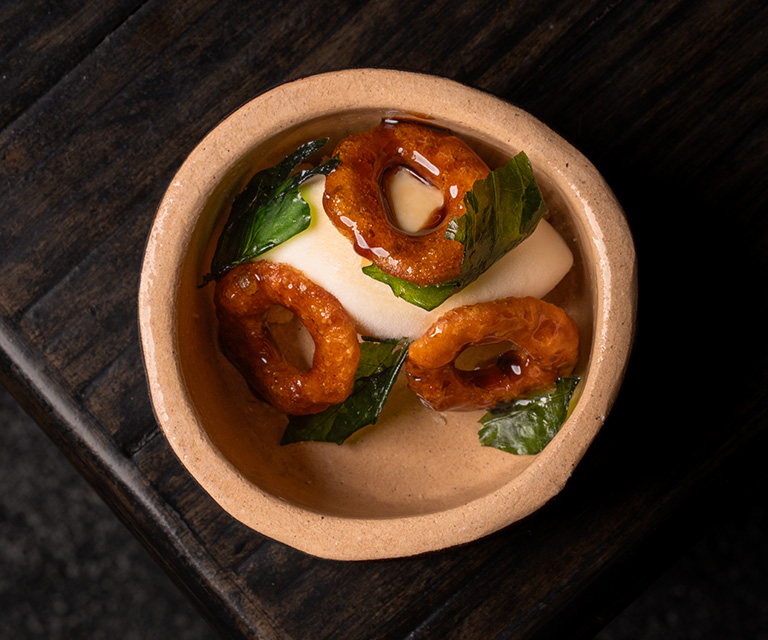
The meal concludes with Picarones, featuring three spiced sweet potato donuts served over carabao-milk ice cream, finished with warm syrup and candied sweet potato leaves.
Desserts that finally feel like desserts,” Uy states, referring to their shift toward more traditional sweet finishes.
Ultimately, the new menu highlights an evolving kitchen that balances rustic roots with fine technique.
A lot of the new techniques we applied here came out more dainty compared to what we did before,” Ong concludes.
It shows us widening our vocabulary and finding our voice through the food.”
FLOW’s second tasting menu opens on August 11 at 6,300 pesos per head. Reservations are available online through their official website, with ongoing updates posted on their Instagram page.
Read more Stories on Simpol.ph
Finding Their Flow: Inside Restaurant FLOW’s Peruvian Second Act