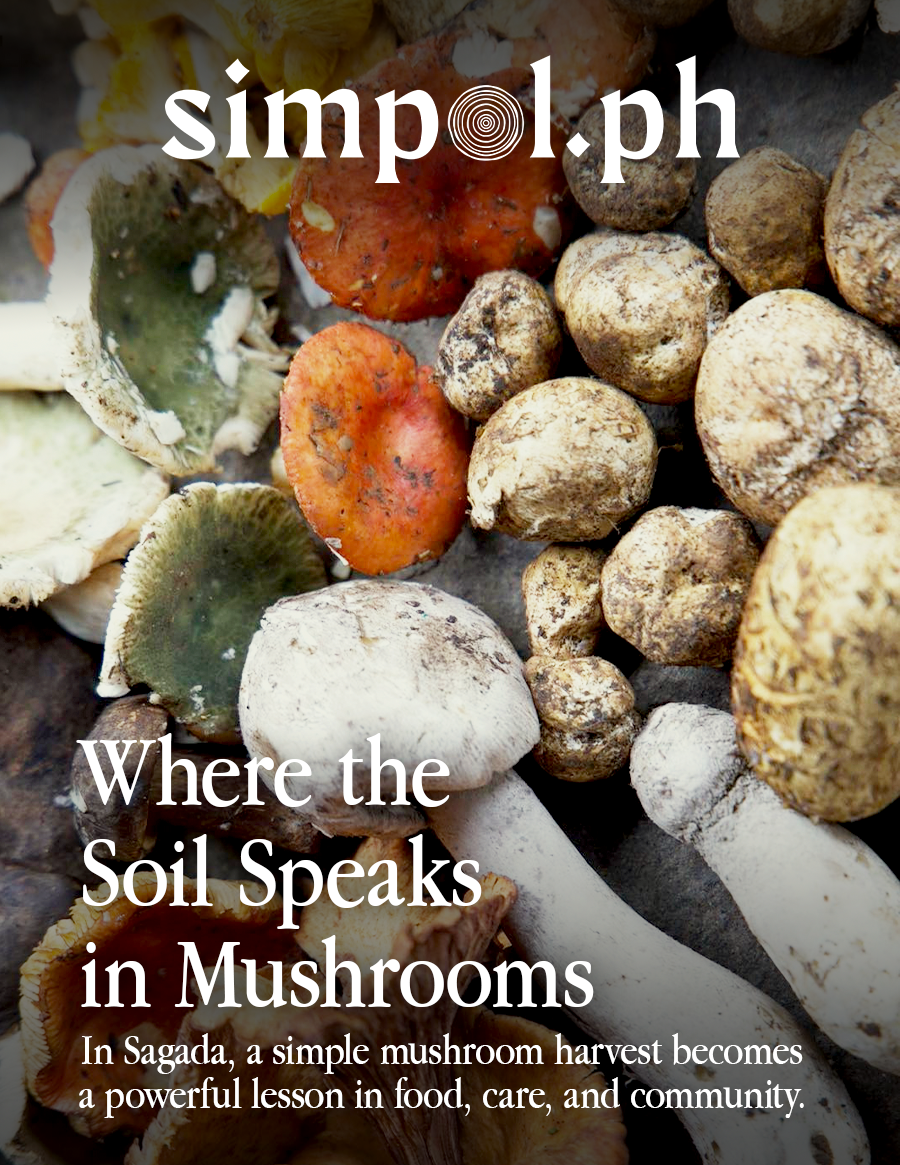
Chef Waya Araos‑Wijangco ventured into the misty forests of Sagada in search of wild mushrooms—and returned with more than ingredients. Each harvest revealed a story of survival, community, and our deep connection to land. In this article, she invites us to walk beside her, exploring how the Cordillera’s fungi teach us about flavor, ecology, and the enduring power of damayan.
This isn’t a story about mushrooms, not really. It’s a story about damayan.”
The First Forage
The first time I held a wild mushroom in my hand—still cold from the forest floor, still carrying the scent of pine and earth—I understood that food was never just food. Engaging in Sagada mushroom foraging, it was memory. It was survival. It was story.
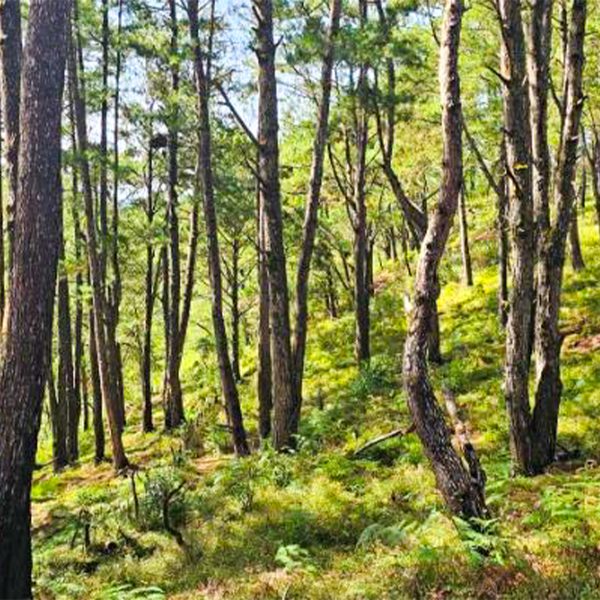
I wasn’t raised in the Cordillera, but like many of us who work with food, I’ve long felt its pull. There’s something about the air up here: thinner, yes, but also heavier with meaning. Here, foodways are not trends. They are truths. They are how people have lived—with the land, not just on it—for generations.
Sagada sits deep in the territory of the Kankana‑ey, one of the many indigenous communities that call the Cordillera home. Their culture runs through these forests like a living root system—unseen by many, but anchoring everything. From the stone rice terraces that cling to cliffsides, to the dap‑ay where elders gather in counsel, to the rituals of planting and harvest that still guide the seasons—these are not museum pieces. They are practices that have endured, adapted, and thrived. And here, in these highland villages, food is never separate from memory, identity, or the sacred.

This isn’t a story about mushrooms, not really. It’s a story about damayan—a word that, in the Kankana‑ey language, names both the wild mushroom and the act of mutual aid. That linguistic accident—or maybe, miracle—captures what so many of us in the food world are trying to name: the idea that nourishment is never a solo act.
Gulay Pa More: A Gathering in the Pines
I came to this forest not just to speak, but to listen. To walk with those who forage and farm. To understand what it means to feed a nation—not from a kitchen alone, but from the ground up.
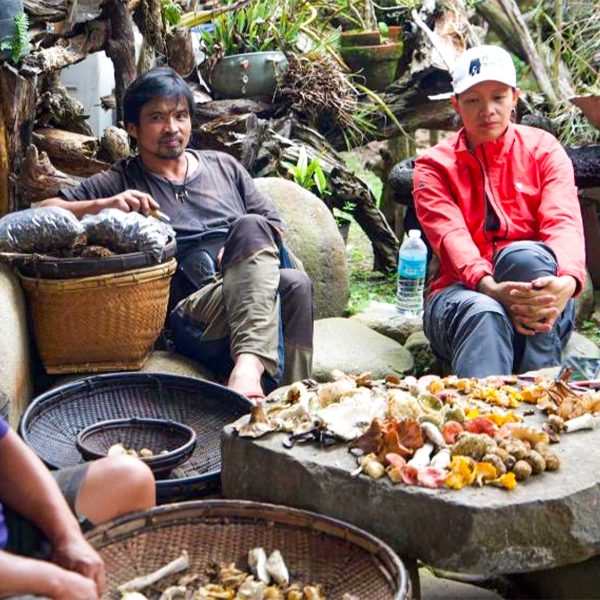
When the air cools and the earth is damp with promise, a quiet miracle unfolds. Mushrooms—damayan, as they are called in the local Kankana‑ey language—begin to emerge. They push through fallen needles and decaying matter, small and strong and sure, nourished by the unseen work of a vast mycelial network below.
In Filipino, damayan means something else: to help one another. To commiserate. To extend compassion. It is solidarity made visible.
What a beautiful thing, that in this mist-veiled region, the same word for wild mushroom also means mutual aid.
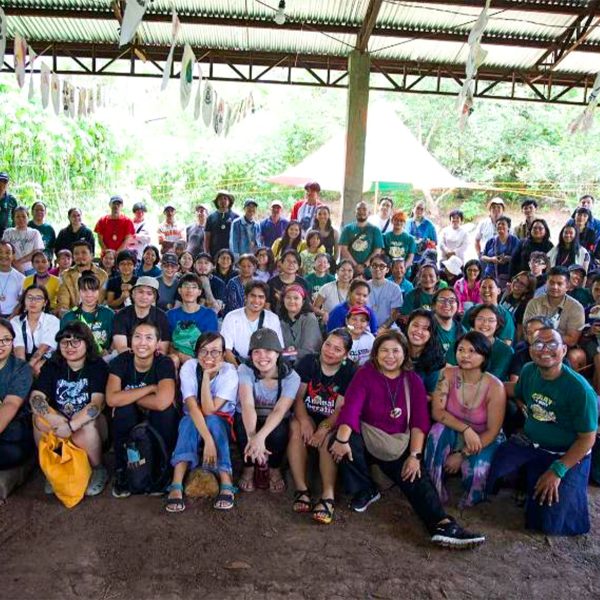
The spirit of that word pulsed through every part of Gulay Pa More, held from June 6 to 8, 2025. The event was co-organized by Gulay Na!, Good Food Community, Lokalpedia, Partners for Indigenous Knowledge Philippines, and the Center for Development Programs in the Cordillera, with support from local cooperatives and national partners.
In a nation of islands and fractured food systems, the Cordillera has long stood as a symbol of cultural resilience. It is a highland region where indigenous traditions remain alive—not as re-enactments, but as living systems. The people here have preserved terraced farming, forest stewardship, and communal land management despite centuries of colonial disruption.
When we speak of biodiversity, sovereignty, and sustainability, this region offers more than examples—it offers continuity.
Also on Simpol: How Rich Watanabe and SGD Coffee Brought Sagada’s Specialty Coffee to the World traces the journey of heirloom beans, local farmers, and a bold idea that turned Sagada coffee into a global contender.
The Wisdom Beneath Our Feet
One of the most powerful voices at this gathering belonged to Chris Angway, co-author of The Mushroom Explorer’s Guide to the Cordilleras on Sagada mushroom foraging alongside Marco Lobregat.
Chris, with wit and clarity, guided us through the diversity of mushrooms in the region: what nourishes, what harms, and what expands the mind.
“Tatlo ang puwede mong mapuntahan: hospital, langit, o good trip.”
The line drew laughter, but the message was serious. Foraging is not a game, but a tradition—and those who do it well are grounded in generational knowledge.
Chris is not a fringe character; he is the living embodiment of indigenous science. His expertise, gained not in sterile labs but in the forests of his ancestors, reminds us to protect not only the land—but the knowledge systems that come with it.
A Moment in the Pines
Just off the trail, I watched a woman crouched low in the underbrush, knife in one hand, small woven basket in the other. She harvested with quiet precision, never tugging, only twisting—asking permission with each cut. Her eyes met mine. She didn’t speak, but her smile said what language didn’t have to: this is how we care for what feeds us.
As I stepped farther into the forest, hoping to spot a few mushrooms myself, I found something else: plastic bottles tucked beside tree roots, crumpled cigarette boxes, torn snack pouches. I began picking them up without thinking. After thirty minutes, my bag—meant for mushrooms—was filled with trash.
I sat on a nearby tree stump, winded and thoughtful. Above me, sunlight filtered through a lace of pine needles. The scent of resin clung to the air. I inhaled deeply, trying to let the forest steady me. And in that moment, I felt like I was traveling against time.
Just down the road from where we gathered, a hotel is being built. From the 1960s through the early 2000s, Sagada preserved its quiet strength. But social media and cinematic exposure have drawn a new kind of traveler. I wonder: at what cost?
I stood again, unsure how long I’d been gone. My group had already gone ahead, searching for mushrooms. I had found something else. That moment stays with me.
Market Day and Mutual Care
On market day, the region’s heart beat strongest. The palengke overflowed with woven baskets of etag, leafy greens, beans, and coffee roasted over open flame. Smiles passed from suki to suki.
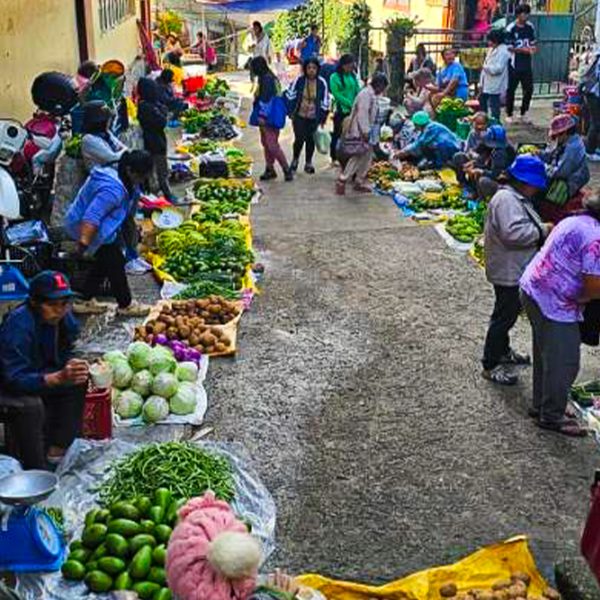
John Sherwin Felix of Lokalpedia wrote:
“We don’t need more mallified public markets that lack character. Just give our farmers, fisherfolk, and vendors enough support, and a safe, dignified space. That is more than enough.”
As a chef, I’ve long believed our most meaningful work happens not in the kitchen alone, but in the spaces where chefs and farmers meet as equals. I spoke about this: how chefs must not only source from farmers, but stand with them.
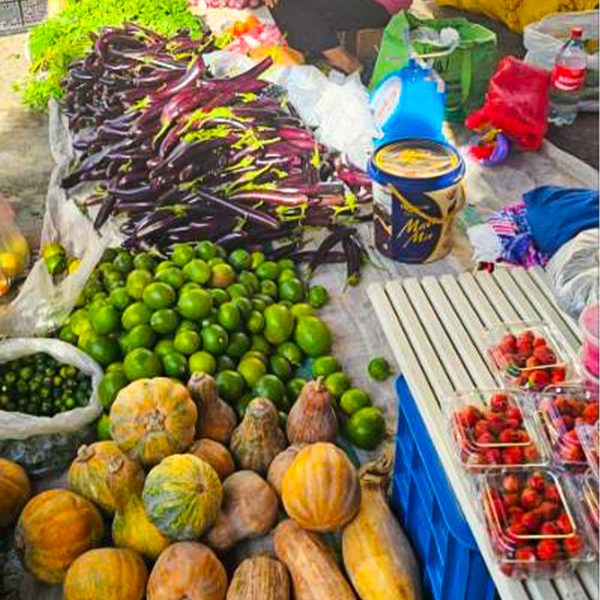
The kitchen is not the pinnacle of the food system—it is one of many nodes in a circle that begins with seeds and soil.
Yet the fragility of it all was hard to ignore. For every chef who stands with a farmer, a hundred menus still erase them. For every market like this one, another becomes a food hall filled with imported fruit. The systems we dream of still need scaffolding—policy, support, solidarity.
Not Quite a Truffle
Many claim it’s the “Sagada truffle.”
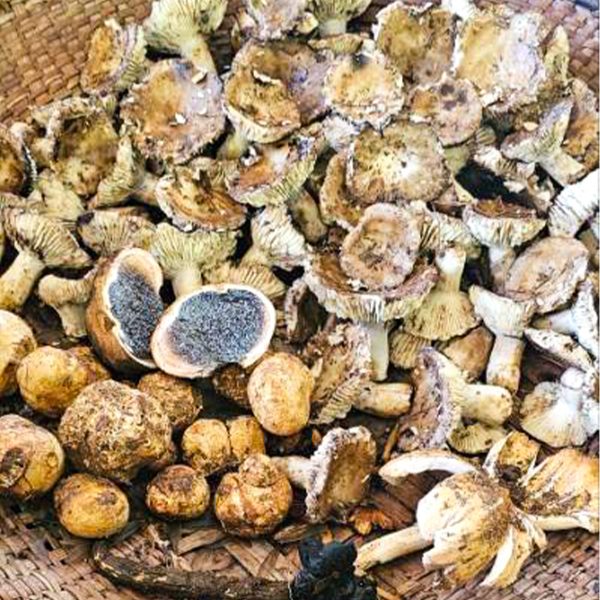
In market stalls and roadside stands, locals will point to a small, cracked, earth-toned mushroom—round like a baby potato, dark and marbled inside—and tell you it’s a delicacy.
They’re not wrong. It is a delicacy. But it’s not a truffle.
Known as Atayan (also called bu-o or kankanool in some Cordillera dialects), this wild mushroom belongs to the Scleroderma genus—commonly called Earth Balls—and is likely Scleroderma, a species also respected in Yunnan, China, for its mild flavor and creamy texture.
In Sagada, it’s often cooked adobo-style, its subtle, egg-like taste soaking up the boldness of soy sauce and vinegar. It’s quiet on the palate but deeply tied to place—shared through memory, tradition, and mountain markets rather than menus and fame.
The “Sagada truffle” may be a misnomer—but Atayan tells a story of its own.
Feeding a Nation with Every Plate
When we cook with ingredients grown by hands that respect the earth, when we plate dishes that carry stories of survival and stewardship, we do more than feed. We remember. We resist. We reimagine.
The chefs of the future must be stewards of culture—not just technique. And the farmers of today deserve more than admiration. They deserve agency, infrastructure, and a place at the table.
Gulay Pa More was not a food expo. It was a return. A remembering. A call to live—and eat—differently.
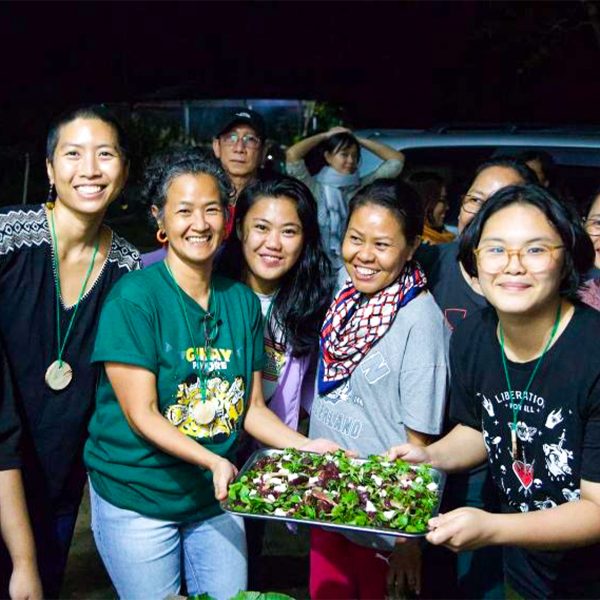
No moment embodied this more than the community cooking led by co-founder Laorence Castillo. Under the pine trees, we shared meals that were humble and revolutionary all at once:
Vegan pinakbet vivid with squash and ampalaya. Kalabasa noodles tossed with foraged mushrooms. Earthy beetroot adobo. Sweet, crisp sayote turon.
We ate with our hands, with laughter, with reverence. It was not a tasting menu. It was a homecoming.
From Kagulayan to Kabute to Kape
This year’s theme—vegetables, mushrooms, coffee—reminded us that food is not just about flavor. It’s about freedom. It’s about farmers who are not faceless suppliers, but scholars and sages of the land.
It is about being like damayan: quietly emergent, deeply connected, and fiercely alive.
Gulay Pa More, as Felix wrote, doesn’t separate food from land. It doesn’t extract ingredients from stories. It reminds us that our palengkes begin in forests—and our cuisine is inseparable from those who know the land best.
In these moments, this place reminded me: protecting biodiversity is not only an environmental duty. It is a cultural one. And perhaps, a spiritual one, too.
I didn’t come to teach anything. I came to remember. And I left knowing that in the silence of mushrooms, we’ve always had the answers.
Read more about Sagada coffee: How Rich Watanabe and SGD Coffee Brought Sagada’s Specialty Coffee to the World
If You’re Thinking of Visiting Sagada
Tucked high in the Cordillera, Sagada is one of the Philippines’ most culturally rich and ecologically preserved places. Known for pine forests, limestone cliffs, and terraced farms, it is a living archive of indigenous memory.
The Kankana‑ey people have safeguarded their traditions here—from bayanihan-based farming to community-led land protection. For those seeking to understand how food, land, and identity are woven together, Sagada offers rare and vital insight.
How to get there:
From Metro Manila, travel to Baguio (5–6 hours), then drive or ride to Sagada via Halsema Highway (another 5–6 hours). Direct buses from Cubao take 11–12 hours.
Best time to visit:
November to May is dry season. Mushroom foraging season begins in early June, when the earth is damp and alive.
Now is the time to plan ahead. Sagada welcomes those who arrive with respect—and leave with something deeper than souvenirs.