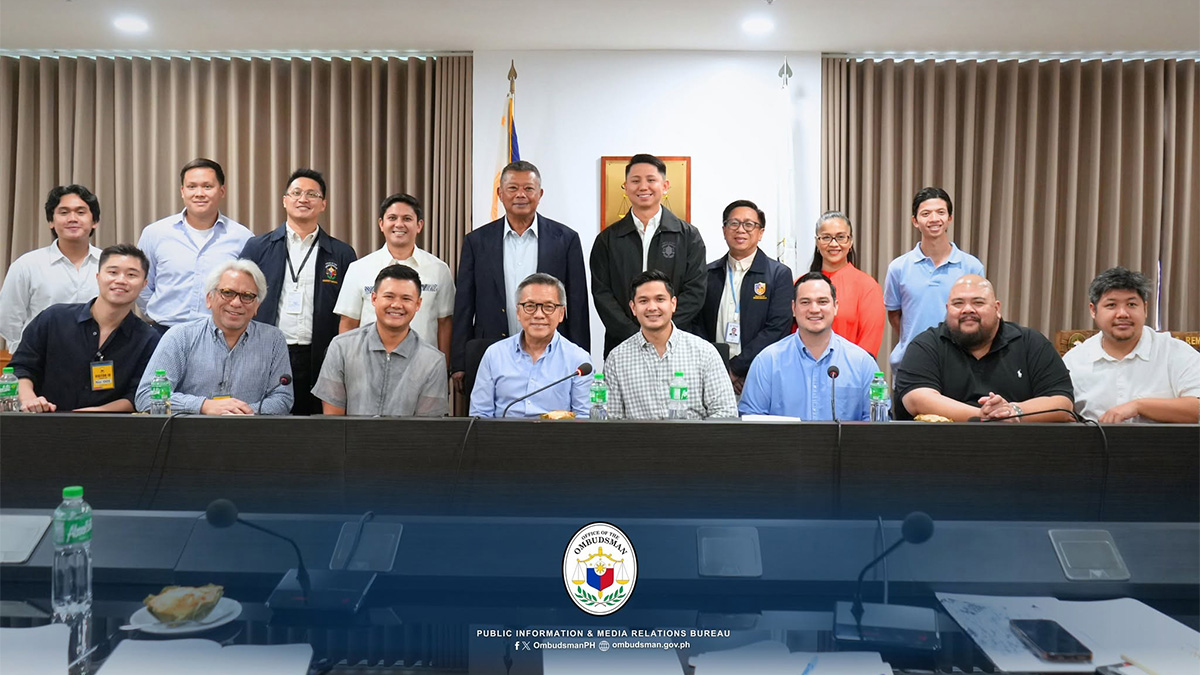
Face-to-face and it finally happened. The Office of the Ombudsman recently hosted an important gathering to address the pressing challenges faced by local dining establishments. Meanwhile, these discussions shed light on critical issues ranging from bureaucratic hurdles to unfair financial burdens.
Meeting the Ombudsman
Ombudsman Boying Remulla recently sat down with representatives speaking for roughly 1,000 restaurant owners across the country. Furthermore, this meeting at the Quezon City headquarters aimed to uncover regulatory bottlenecks and corrupt practices that make it difficult for businesses to operate smoothly. Ultimately, the agency wants to gather real experiences to shape the upcoming Investment Ombudsman initiative.
The Heavy Cost of Mandated Discounts
Beyond general bureaucracy, restaurateurs highlighted a major financial strain regarding mandated social welfare discounts.
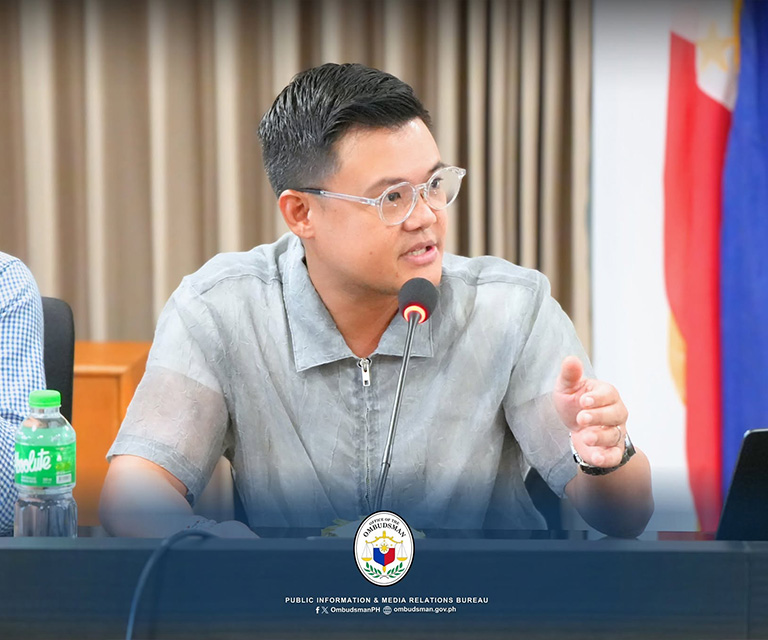
Back in 1992, businesses received a full 100% tax credit for these programs, but a legislative shift later reduced this to a simple tax deduction. Consequently, as Sison pointed out in a statement post:
Today, for every 100 pesos of discount we grant, we recover only 20. The other 80 comes from the business,”
Because of this policy, smaller enterprises and local carinderias are forced to absorb 80% of the cost out of their own pockets. Furthermore, when businesses raise menu prices to cover these losses, they frequently face unfair public backlash.
Pushing Toward Systemic Reforms
To challenge these systemic issues, the Ombudsman is actively expanding its preventive mandate to protect investors and streamline government processes.
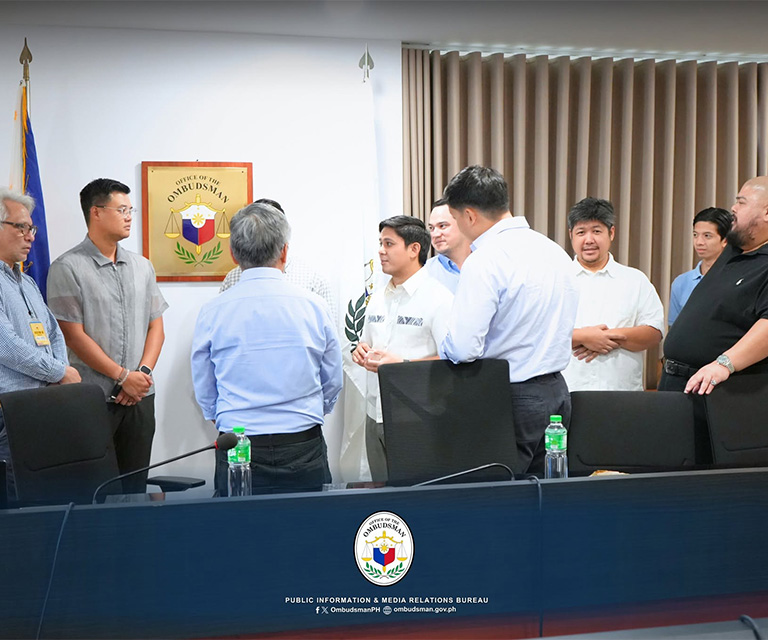
Assistant Ombudsman Mico Clavano noted during the forum:
The Ombudsman has been central to a lot of the efforts that have been done against these bad actors in government,”
By holding similar consultations across different regions, the office ultimately hopes to eliminate unnecessary bureaucratic requirements and foster a healthier business environment.