Forgotten Island just whirred in the cinemas this September and a lot of us were happy — We were seen and voiced out.
When Dreamworks released the trailer, full-on Pinoy line-up was present in the credits. The film featured Liza Soberano and H.E.R, while the soundtrack album also features the nation’s girl group BINI. It was a celebration set in the cinemas.
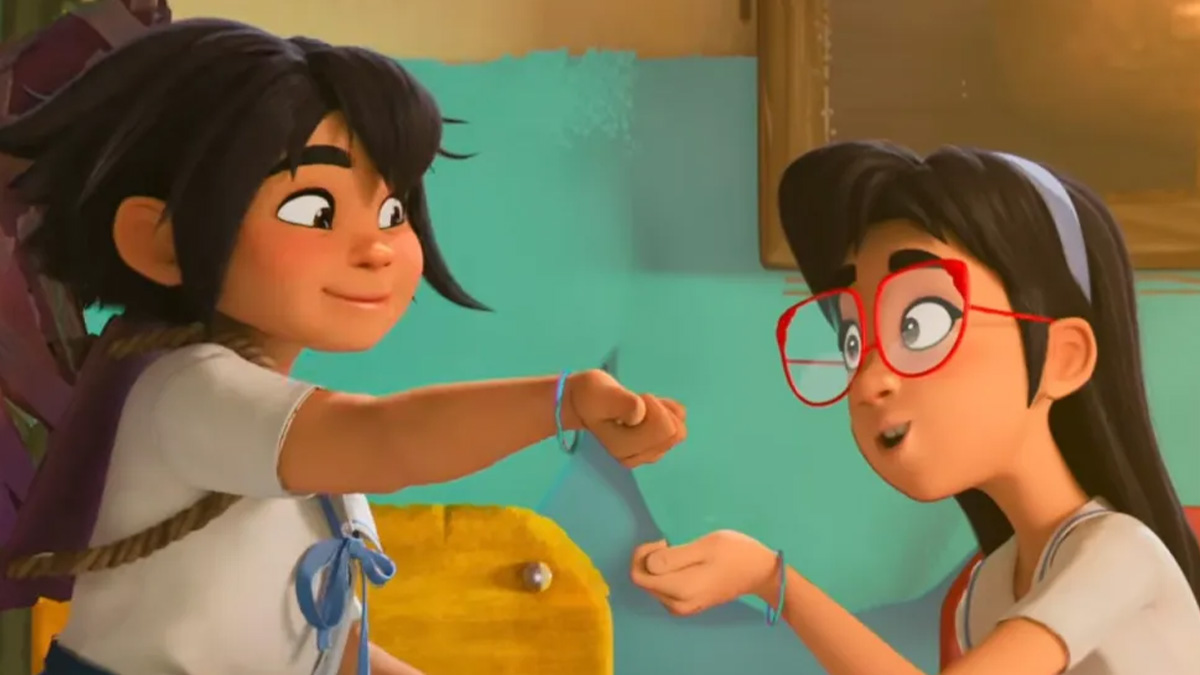
As the film visually tells, a 1990s time was set for two best friends Jo and Raissa who embarked through adulthood and then ended up in an alternate universe where they are to forget everything – including each other. Hence the title card reads Forgotten Island.
And this might be an animation packed reminder of our linguistic roots.
Uy Pilipins!
The trailer showcased more than our spoken language. Visually, the colorful neon of Mabuhay jeep was presented. The Philippine flag on a school ground during the flag ceremony, Sentimental details on the evolving country. The media wave responsed as fast.
It’s us!
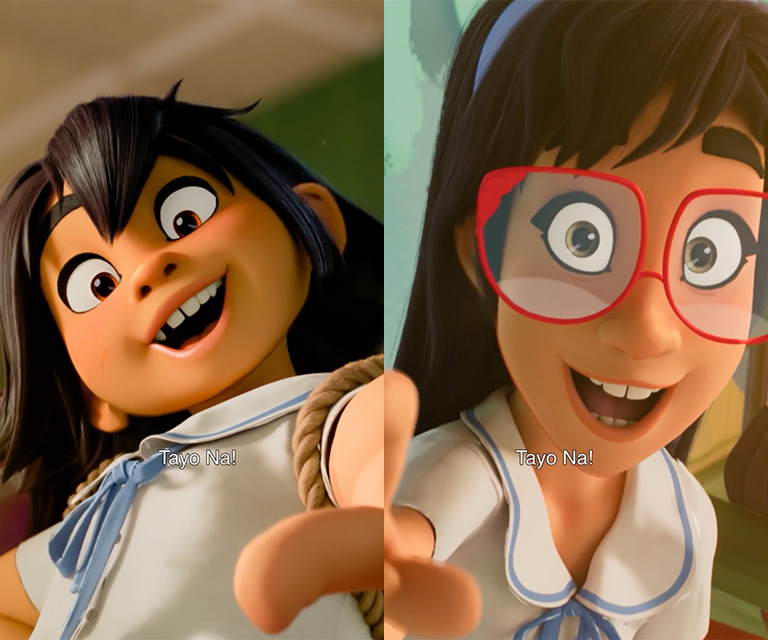
A Facebook post by Noel Pangilinan also shares that in that decade (1990s), there was a popular TV show on ABS-CBN, Sine’skuwela, that ran from 1994 to 2004. The chorus of its theme song starts with “Tayo na sa Sine’skwela (Tayo na).” It’s not hard to imagine many of our youngish kababayans growing up in the 90s watching this show and having that chorus as their earworm.
Hence, it’s engraved to us, hearing that “Tayo na” isn’t brand new or just deep-sensasionalized tagalog at all.
Filipino 101: Language Shapes Identity
Language speaks for a place. Language shapes identity.
As few of this generation may know, Tagalog-Filipino is not just our lone language in the country. As the country who has a long lineage of oral culture and traditions, we word out a lot. We share different dialects and languages in specific regions such as Cebuano and Bisaya. In a micro scale, a good example would be Bulacan. Bulacan’s rural cities share almost 20 municipalities that adapted a place-based vocabulary and accents. Bulacan Tagalog is different in Hagonoy and Malolos.
For Benedict Gelo, it’s “Tayo na”.
As a playwright and a BA Filipinology Graduate from PUP, Benedict sees the discourse as more of an educational crisis, rather than linguistic.
Sa “Tayo na,” malinaw at present ang panghalip (tayo) at ang ugnayan ng speaker sa recipient (tayo; magkasama; magkasangga).
Dito, mas buo na ang thought at maaaring hindi na isipin destinasyon. Sa ekspresyong ito, ang punto malinaw: magkasama tayo (anupaman ang kahahantungan).
Mas malapit itong salin ng “Let’s go!” Dahil bagaman pinaikli, present dito ang salitang ‘us.’”
In context of the animation film,
Importanteng tingnan ang tema ng pelikula.
Malinaw na nakapokus ito sa pagkakaibigan nina Jo at Raissa at sa kanilang adventure na puno ng thrill at uncertainty. Kung titingnan ang risks sa pelikula, hindi ganun kahalaga ang destinasyon — kung makakaalis ba sila sa Nakali Island. Bagkus, mas matimbang rito ang mangyayari sa kanilang relasyon (malilimutan ba nila ang kanilang pagkakaibigan?)
Dito, mas akma ang “Tayo na.””
Forgotten Language and Sensibilities
In a GENIUS promo video with the main cast of Forgotten Island, Liza Soberano shared her sentiments on the expanding language discourse.

In the Philippines, We actually commonly say ‘tara na’, to say ‘let’s go’. (While) ‘Tayo na’ means the two of us, need to go together, I’m not doing this without you”
Liza even added that “Tayo na” is a lot more meaningful than just saying let’s go. It also sounds like the summoning as “sing everybody, let’s go”.
The film no doubtly screenwrites real life and its cultural identity. But it’s no denying that the medium also practices a form of literature that follows a contextualized meanings. Scene per scene, it just gets ‘Filipino’ enough based on how the sensibilities speak to the audience.
As Filipinologist Benedict Gelo shares,
Oo, mas natural at conversational ang salin na “tara na” ngunit ito ay kolokyal na antas ng wika. At ang paggamit ng salin na ito ay pagtalikod sa lalim ng tema, konteksto, at maging sa visual imagery ng buong pelikula na nakasentro sa relasyon nina Jo at Raissa—-na mas na-encapture ng “tayo na.””
This also sparked his trail of concern with the general perception on “tayo na” on Tiktok and most netizens are only familiar of the phrase in associating romantic relationships. Gelo also shared that this also exhibits the lack of diacritics usage (as a guide on how to pronounce a word).
The growing discourse divided the various generations of millennials and Gen Z.
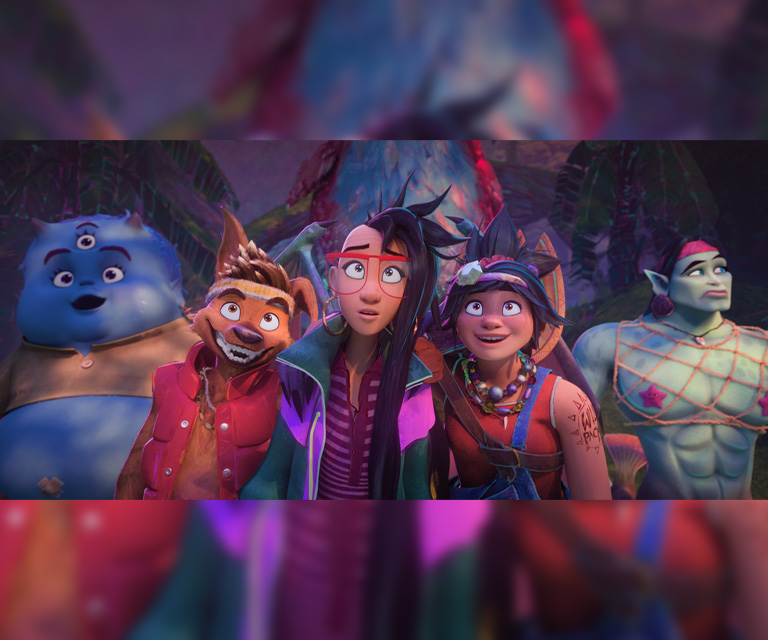
Some netizens are even quoting that the GEN Z might be too out of touch of their own cultural identity for missing out on this catchphrase distinction. In a bigger picture, this animated movie might just be another opportunity to revisit our language. While the whole discourse gets to the admitting fact that sometimes, we get too divisive when it comes to cultural and identity discussions because of our colonized mindsets.
And it’s okay.
We can always unlearn.
Read more stories on Simpol.ph
The Quiet Disconnect: What Happens When Our Digital Safe Spaces Are Turned Off?
The Raging Puddles Of Unsafe Roads: It’s Time For Accountability