Learning a new language can begin with something as simple as curiosity. For many Indonesians, however, it is becoming part of a bigger goal: getting more out of their education, building new skills, and opening themselves up to opportunities beyond their home country.
That growing interest has made Indonesia one of Duolingo’s five fastest-growing markets globally, based on year-over-year growth in daily active users.
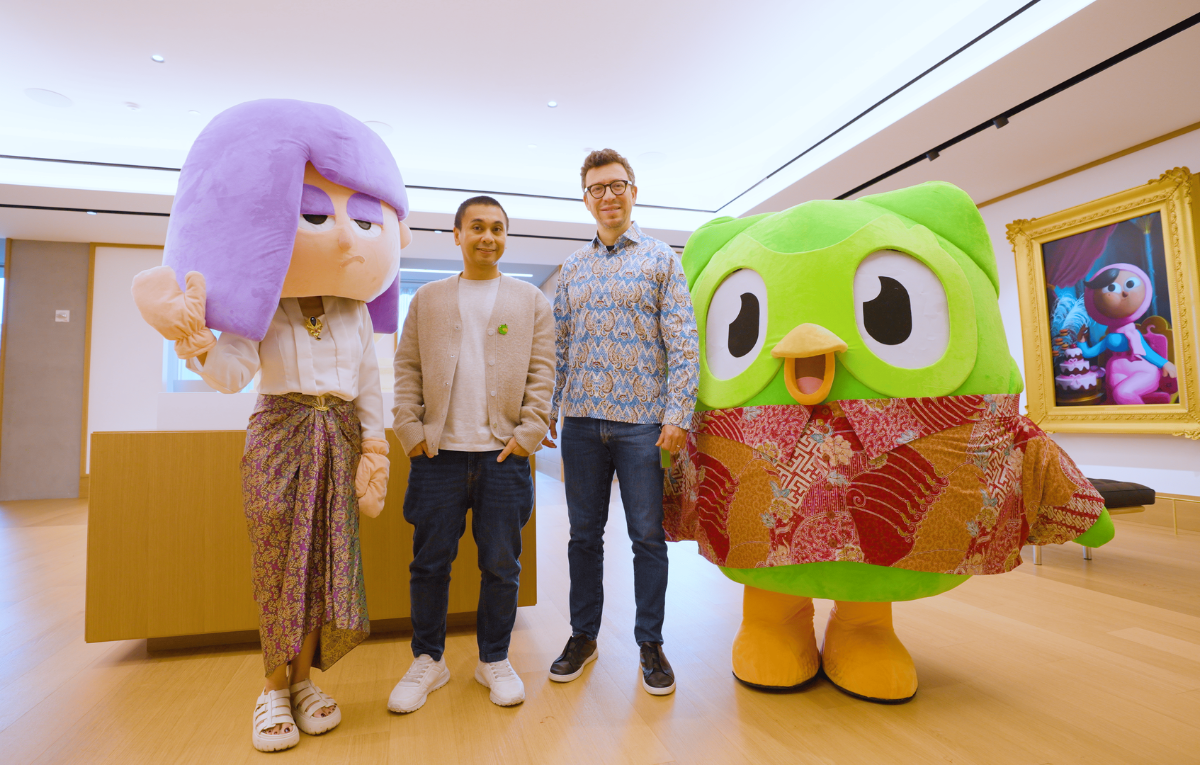
During a conversation with Indonesian creator Raditya Dika at Duolingo’s New York City office, CEO and co-founder Luis von Ahn shared what he has been seeing from Indonesian learners—and why the market has caught his attention.
Learning With a Purpose
Duolingo’s learner data shows that Indonesian users are particularly motivated by education. Indonesia ranks first globally in the share of learners who say they study languages to “Support my education.”
Indonesian learners are also 37% more likely than the global average to cite education as a motivation, while they are 41% more likely to say they learn languages to spend their time productively.
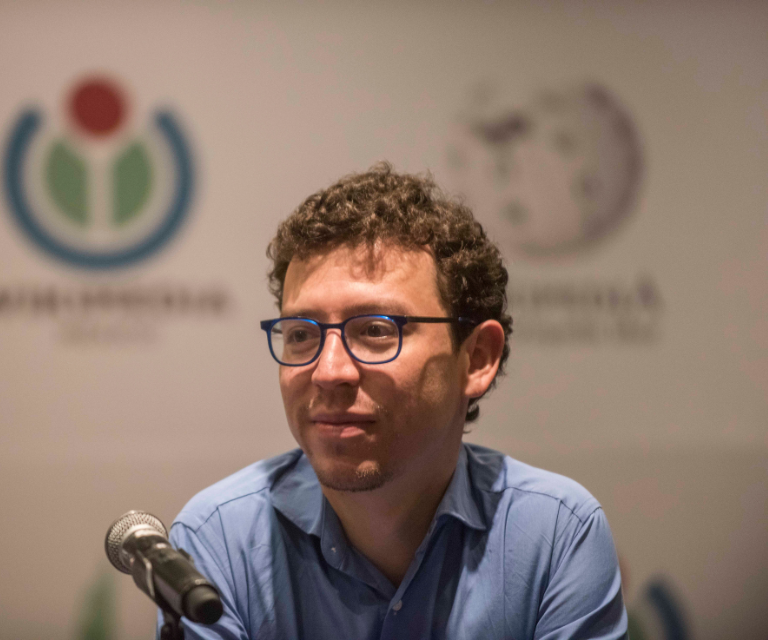
For von Ahn, these motivations reflect a community that sees learning as an investment in itself.
“We’re very interested in the Indonesian market,” said von Ahn. “We’re interested in teaching English, Chinese, Japanese, Korean and other languages to people in Indonesia.”
Beyond English
English remains the most learned language on Duolingo in Indonesia, but learners are increasingly exploring other languages as well.
Japanese and Chinese are among the country’s top three most-learned languages. Interest in Chinese, in particular, has grown significantly, with the share of Indonesian daily active users studying it nearly tripling since 2023.
Some learners are even studying multiple languages at the same time. Indonesians are 4.15 times more likely than the global average to study English and Chinese concurrently. Japanese and Chinese, as well as English and Japanese, are also studied together at higher-than-average rates.
The trend suggests that language learning is becoming less about mastering one language and more about exploring several cultures, communities, and possibilities.
Making Learning More Accessible
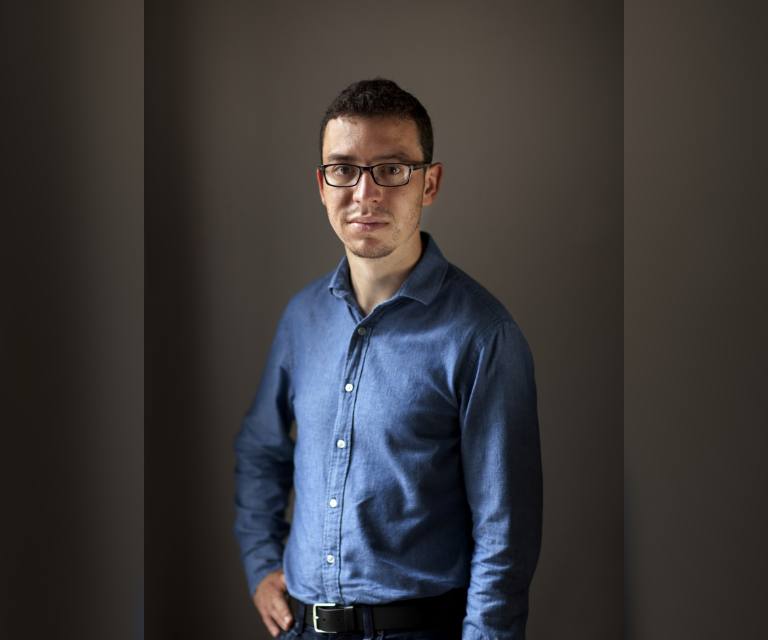
Von Ahn’s interest in education is also personal. Growing up in Guatemala, he saw how access to quality education could depend on a family’s financial circumstances. That experience eventually shaped his vision for Duolingo.
“I wanted to do something that would give equal access to education to everyone,” he told Dika.
That philosophy remains central to the platform, which aims to make learning accessible even to people who cannot afford traditional educational resources.
Duolingo is also expanding its courses beyond the basics. Nine of its most popular language courses now teach up to the B2 level, giving learners more room to develop practical skills.
AI-powered conversation practice is another part of that evolution, allowing users to practice speaking without the pressure of being judged—particularly useful when confidence is still catching up with knowledge.
A Little Indonesian Connection
The conversation also went beyond numbers and learning data. During his visit, von Ahn sampled Indonesian snacks, wore a batik shirt gifted by Dika, and practiced introducing himself and thanking Indonesian learners in their own language.
Having previously visited Bali, he also shared his interest in exploring more of Indonesia’s islands.
In many ways, that exchange reflected what learning a language is ultimately about: curiosity, connection, and being willing to try something unfamiliar.
For Indonesian learners, that first step may begin with an app. But where the language takes them can go much further.
Watch the full conversation on Raditya Dika’s YouTube channel here.
Read more stories on Simpol.ph
Chef Francis Lim: Beyond the Kitchen Chaos
Le Ching Tea House: A Taste of Greenhills Nostalgia
Perspectives and Possibilities With Metrobank Art & Design Excellence Awards