We like to say that hospitality is one of the things that defines us as Filipinos. But what happens to that idea when feeding people becomes increasingly expensive? If being a good host is part of what we believe makes us Filipino, what happens when people can no longer afford to host the way they used to?
I’ve been sitting with that question for months, and not abstractly. I run kitchens for a living, so I watch cost turn into behavior every day — in my restaurants and in my own house.
It used to be normal to invite people over without thinking twice. Sunday lunch happened because it was Sunday. You bought treats for the whole team because someone had something to celebrate, or because no one did and you felt like it anyway. It was just what you did.
Lately, there is more calculation involved. The reflex is still there — kain na kayo, the plate that appears before a guest has even sat down — but now I find myself thinking about how many people are coming, how much food is enough, and what everything costs. I do this for a living when I cost out a menu. I didn’t expect to start doing it at my own table.
When the Affordable Option Isn’t So Affordable
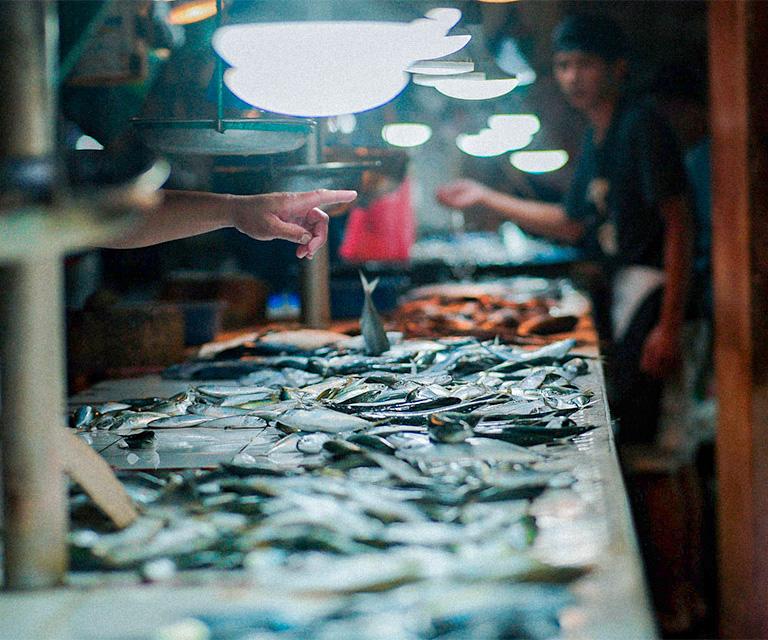
For decades, galunggong was one of the ways we knew where things stood. It was cheap enough that its price told you how far a peso would actually go. It wasn’t a delicacy. It was the reliable option, the fish a family could still put on the table when more expensive choices were out of reach. Today, galunggong averages about ₱250 a kilo nationally, and in Metro Manila local varieties can go past ₱300 — a long way from the fish generations knew as the affordable fallback.
I think about that every time I plan a menu now. Rice, cooking oil, meat, sugar — things that used to disappear into a meal without much thought are harder not to notice on the receipt. An extra dish is no longer something you add automatically when the household budget is already being stretched.
The Meaning of “Pasensya Na”
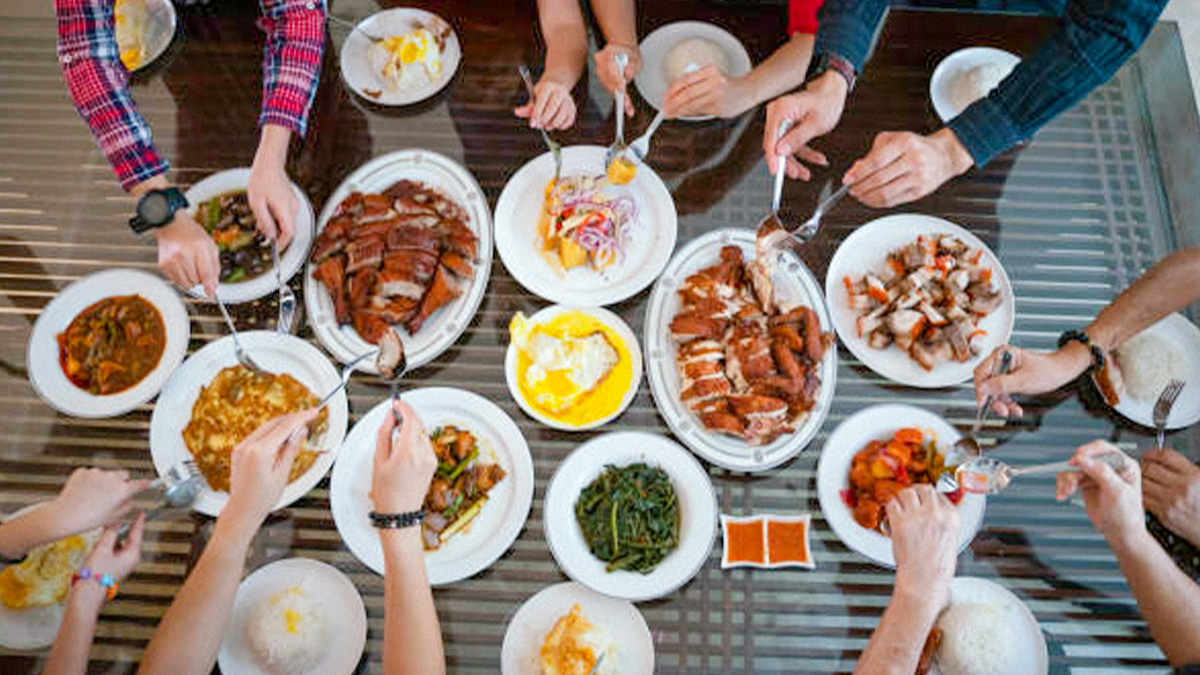
And yet abundance is deeply tied to the way we understand Filipino hospitality. We welcome visitors, insist they eat more, and take pride in having enough on the table, preferably more than enough. We don’t like food running out. We bring out another dish even when there’s already plenty. A host can have ten dishes on the table and still say, Pasensya na, ito lang.
It isn’t really an apology for the food. It’s an apology for the difference between how much you’d like to give and what you were able to put on the table.
When Hospitality Has a Price
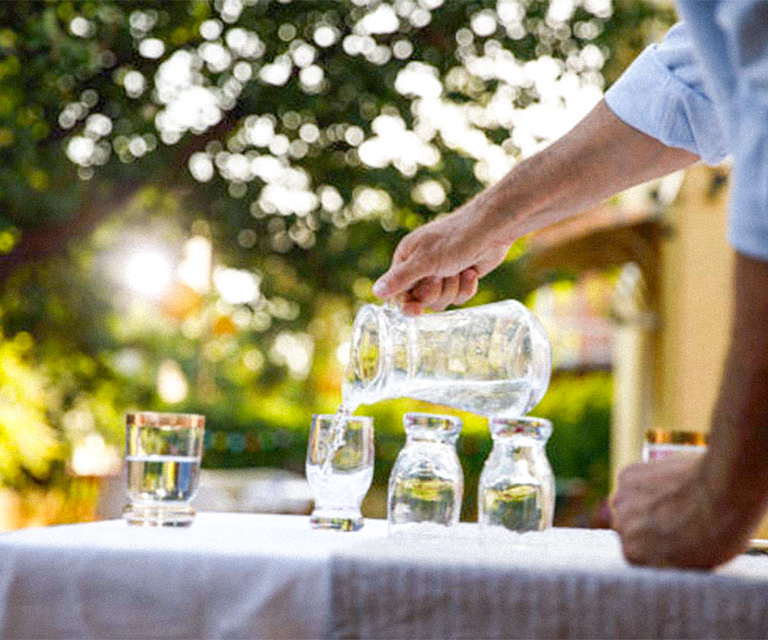
That expectation doesn’t disappear when hospitality moves from the home to a restaurant. Recently, a customer at Mama Lou’s in NAIA Terminal 3 complained after being told that the branch did not provide free service water and offered bottled water instead. The policy was later changed.
What interested me wasn’t so much the controversy as why water touched such a nerve. Anyone who runs a restaurant knows that nothing is actually free. Water, filtration, ice, glassware, washing, labor, and rent all eventually appear somewhere in the cost of doing business.
But we don’t experience a glass of water simply as another restaurant cost. You sit down, and someone gives you water. At home, when somebody arrives, you offer something to drink before you’ve even figured out what else you’re serving. Perhaps that’s why putting a price on it felt different. The question isn’t really about water. It’s about what happens when gestures we once offered without thinking become things we have to calculate.
The Dish We Leave Out
That pressure has entered our homes in quieter ways. I remember the first Sunday I decided not to cook an extra dish. We didn’t need it. I had always made one anyway, in case somebody wanted more or because the table simply looked insufficient without it.
Nobody said anything. I was the one who noticed.
And perhaps that’s how these changes happen. You leave out one dish because nobody needs it. You invite fewer people because feeding everyone costs more. You wait for an occasion worth spending for. A Sunday lunch that once happened automatically starts happening less often, without anyone consciously deciding that’s what they wanted.
Sharing the Table Differently
Other families find another way. Everyone brings something. Someone brings dessert, another brings drinks, somebody arrives carrying a pot from home. We have always had ambagan and kanya-kanyang dala, of course, but there can still be a little hiya in asking for it. For many of us, hosting has meant providing everything and telling guests not to bring anything. Asking people to contribute can feel like admitting that this time, you can’t do it all yourself.
But perhaps that discomfort says more about what we’ve expected of a host than about hospitality itself. The gathering continues. What’s changing is the assumption that one person has to provide everything.
What We Can Still Give
Hospitality doesn’t cost everyone the same. An extra dish means something different to a household stretching its budget than to one that isn’t. What looks like a simple gesture from one table may require real sacrifice at another.
For a long time, we have expressed hospitality through abundance: another plate, another serving, another dish even when nobody asked for it. That was easier when those gestures didn’t require so much calculation.
The instinct hasn’t disappeared. We still want people to come. We still want to feed them. We still say kain na kayo.
We’re just thinking a little longer now about what comes after.
Chef Tatung Sarthou is a cook who talks too much, writes a bit, and occasionally wins awards for both. He’s the man who started Simpol, where he tries to make sense of Filipino cooking—and life—one guisa at a time.
Read more stories on Simpol.ph
Chef Francis Lim: Beyond the Kitchen Chaos
Three Artists on Life, Courage and the Stories That We Carry
Perspectives and Possibilities With Metrobank Art & Design Excellence Awards