Certainly, you have all been there.
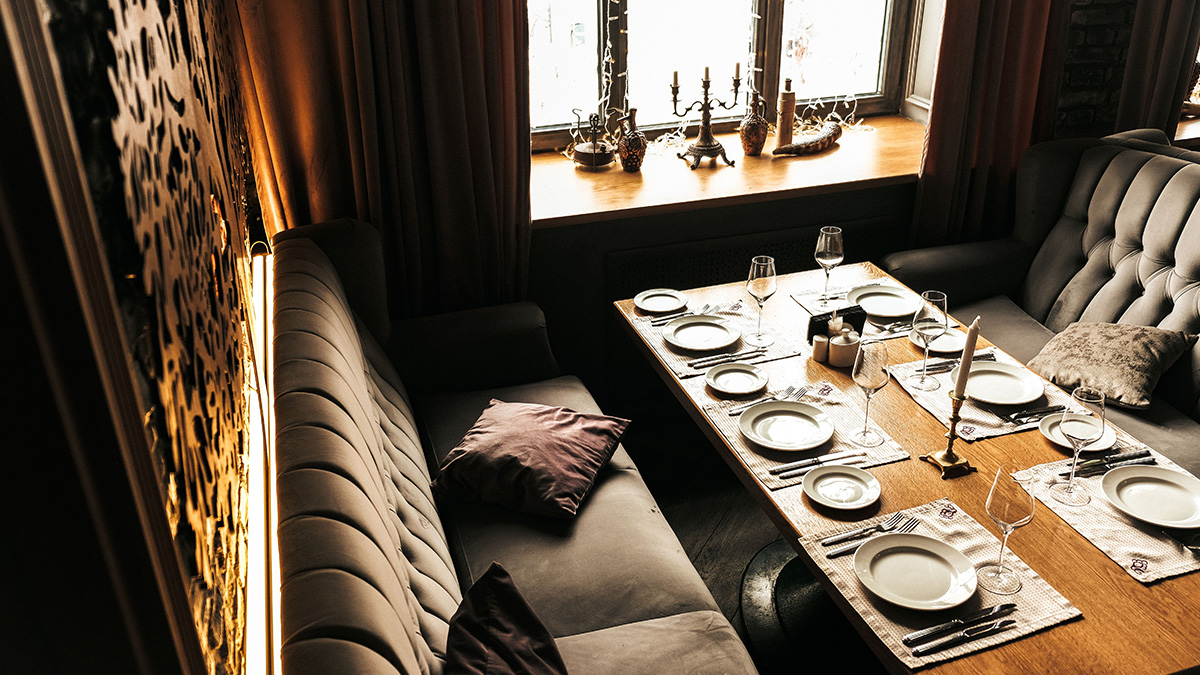
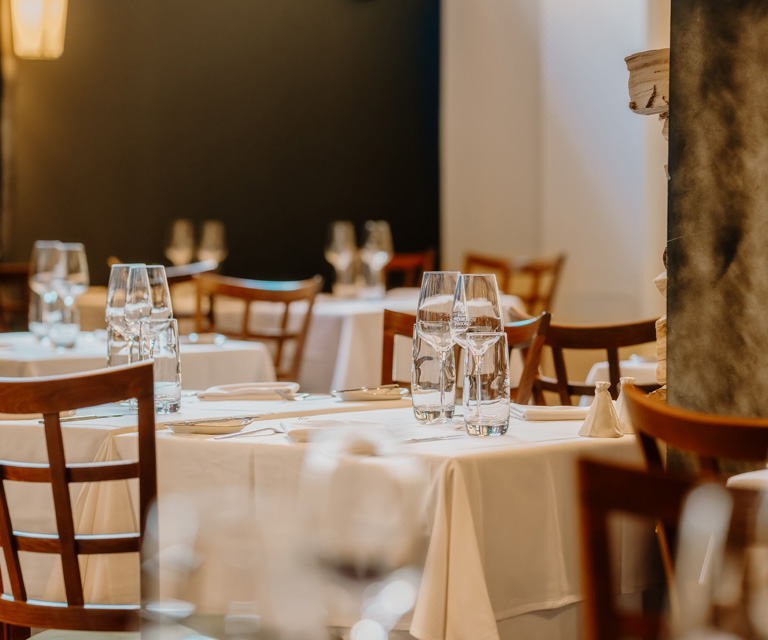
Sitting at a nice restaurant, watching the floor staff glide past like clockwork. Your water glass never dips below half-full, your napkin gets refolded the second you step away to the restroom, and the steak arrives cooked to the exact shade of pink you requested.
For decades, this was the gold standard of dining out. Perfection was measured in precision, timing, and strict house rules. If everything ran like a fine Swiss watch, the restaurant won. And the customer was supposed to walk away happy and satisfied.
The trouble is, humans aren’t watches. And when life gets unpredictable, those perfect rules can fall apart pretty quickly.
When “Perfect” just doesn’t work
Imagine a family walking into a busy diner to celebrate a birthday. The kitchen is loud, the music is overstimulatingly playing, and the staff is ready to deliver their over-calculated, top-tier, high-energy service.
To most people, it sounds like a great night out. But for a kid with sensory sensitivities, that exact same room can instantly feel like a nightmare of sensory overload. The clatter of forks on porcelain, the bright overhead spotlights, the mix of strong aromas, and a menu full of unfamiliar foods can turn a fun family dinner into a high-stress challenge.
Now picture what happens when standard restaurant rules kick in. The family asks if they can pull out a simple container of spaghetti they brought from home so their child has a safe, familiar meal. However, the policy manual says outside food isn’t allowed, or carries a corkage fee.
Nobody in that building has bad intentions. The management created the rule to protect their business, and the server is just doing their job. But in practice, strictly following the rulebook turns what should be a welcoming evening into a deeply uncomfortable moment for a parent who just wants their family to have a nice dinner together.

The big difference between Service and Care
There’s a wide shift happening across the dining world, and it comes down to understanding the difference between service and hospitality. Service is execution. It’s transactional. You place an order, the kitchen cooks it, the server brings it, you pay the check, and you leave. It runs on checklists and protocols because checklists are easy to teach and replicate.
Hospitality, on the other hand, is how a place makes you feel. It’s quiet, observant, and deeply human. It means looking past the table number and seeing the actual people sitting in the booth. Complete with whatever invisible stress, excitement, or needs they walked in with that day.
Anyone can learn to drop a plate from the left and clear from the right. It takes real empathy to look at a crowded room, notice a guest who looks overwhelmed, and ask yourself how to make them feel comfortable.
Great service might win a customer for the night, but genuine care is what keeps them coming back. Because service feeds the body, but hospitality is what actually feeds the soul.
Throwing away the script
You can’t write an employee handbook for every single human situation. The manual for human interaction would be thousands of pages long, and it would still miss things.
That’s why the future of great dining isn’t about stricter training modules or longer rulebooks. It’s about giving staff the freedom to step away from the script and just be human.
It’s the difference between asking,
What does company policy say?” and asking,
What can we do right now to make this family feel completely at home?”
When a manager waives a policy, bends a menu rule, or welcomes a homemade meal without making a fuss, they aren’t breaking the rules, they’re simply fulfilling the real point of running a restaurant in the first place. Offering a welcoming space for people to gather.
Beyond the Rulebook
At the end of the day, no one looks back on a great meal and remembers how perfectly synchronized the servers were when dropping off the entrees. What sticks with the diners is how they were treated during their stay.
A restaurant’s real heart isn’t revealed when everything goes according to plan. It shows up in the messy, unscripted moments when kindness wins over the rules. Because true hospitality doesn’t live in the rulebook. It lives at the table where everyone feels like they belong.
Because long after the dishes are cleared and the lights go down, that sense of belonging is the only thing that stays, and lingers.
Read more Stories on Simpol.ph
The Rise of Minimalist Cafes (and why people hate it)
The quiet weight behind the counter
“Mahal ang Magmahal”: The Cost of Falling in Love in the 21st century