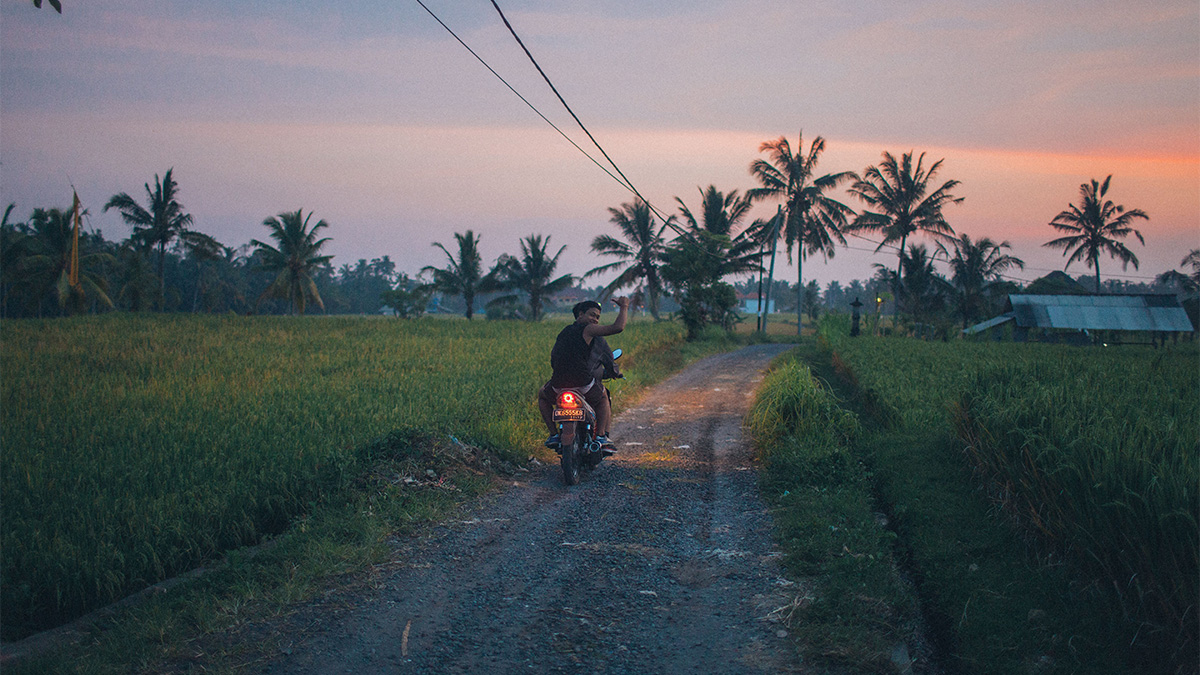
Remember when traveling was an unpaid internship for your Instagram feed? You’d spend weeks curating outfit lookbooks, order P6,000 worth of vacation outfits online, drop P3,000 on a beach club entrance fee just to take one photo with a P500 cocktail, and crowd into over-hyped tourist traps. The result? A beautiful and curated grid, a maxed-out credit card, and an even more exhausted brain.
In 2026, the vibe has shifted entirely. With inflation making everything from your daily iced coffee to rent feel like a personal attack, Gen Z and Millennials are aggressively de-influencing the “clout trip.” Travel has been stripped down to its rawest, most urgent form; pure, and unadulterated pahinga.

Reclaiming Travel for Authentic Pahinga
Data from Klook’s latest Travel Pulse study proves this isn’t just a mood, it’s a financial strategy. Around 42% of young Pinoy travelers are now moving on strict, non-negotiable budgets. To make it work, they are making a brilliant trade-off. Cutting out material flexes to fund mental peace. They are skipping the fast-fashion hauls and overpriced souvenirs, choosing instead to reallocate those pesos into deep, slow, and casual food experiences and off-grid stays.
Instead of fighting the suffocating peak-season crowds at Boracay’s Station 1, next-gen travelers are actively seeking out “silent luxury on a budget.” They are booking hidden, rainy homestays in Benguet or secluded surf shacks down south. The goal isn’t to show the world where you are. It’s to turn off your email notifications, watch the fog roll in, eat a warm bowl of home-style sopas, and let your brain completely reset.

Intentional Micro-Escapes and Spontaneous Detours
To be completely vulnerable, the habagat season in the Philippines can be brutal for your mental health. When you’re trapped inside a tiny condo box or a shared bedroom apartment, working or studying remotely while the rain pours outside, “digital burnout” stops being a buzzword and becomes a physical weight. All doubles its weight when you’re living alone, and spends the day on your own.
When the doomscrolling gets too heavy, Gen Z isn’t waiting around for a massive, multi-week itinerary. They are hacking their nervous systems with micro-escapes, spontaneous, budget-friendly detours into nature that act as an immediate mental circuit breaker. Famously, these are currently the “side quests” that keeps this generation sane.
For those who desperately need a complete change of scenery but refuse to go into debt, international travel has also been downsized and streamlined. Instead of chasing high-ticket, expensive western destinations, young Pinoys are executing quick, spontaneous detours to peso-friendly regional hubs like Vietnam and Taiwan.
These short-haul trips offer a massive cultural reset and world-class street food experience that won’t leave your bank account crying. By reclaiming these spontaneous, nature-infused getaways, the youth are proving that a top-tier mental health reset doesn’t require an elite salary. Just a backpack, a rain jacket, and a need to touch some green, green, grass.
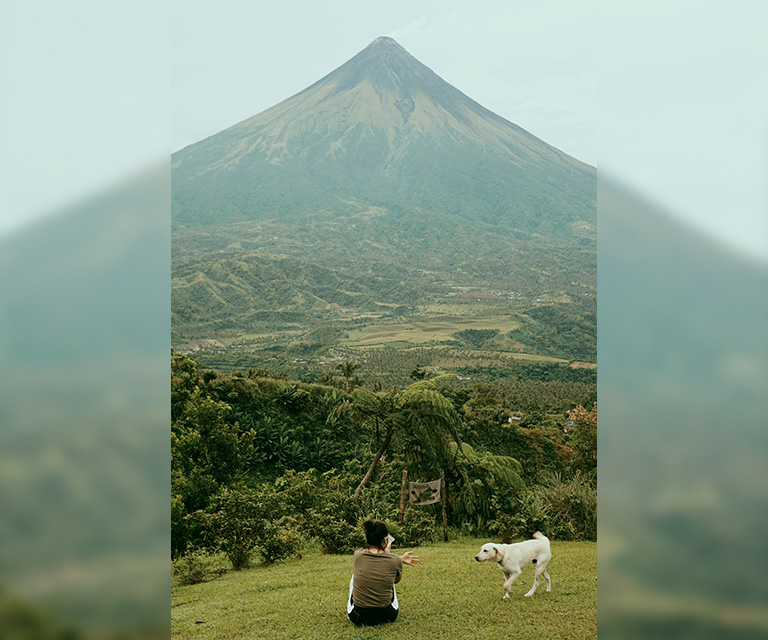
The Ultimate Vibe Shift: Sanity Over Status
Essentially, the democratization of travel for young Filipinos isn’t about giving up on luxury, it’s about redefining what luxury actually means. In a world that demands constant connectivity, high-speed hustling, and the economic performance of a lifetime just to pay your bills, luxury is no longer a five-star resort or a VIP wristband.
Luxury is silence. It’s an unread notification. The permission to do absolutely nothing without feeling guilty about it—even just for a couple of days.
Gen Z and Millennials are proving that you don’t need to go broke to save your own peace of mind. By trading the curated clout for authentic comfort, this generation is transforming travel from an expensive status symbol into a basic tool for emotional survival.
So, let the grid wait, let the feed stay quiet, and go find your own pocket of slow, rain-soaked sanity. Your bank account, and your brain will thank you for it.
Read more Stories on Simpol.ph
The Main Character Matrix: Inside the Era of the Everyday Influencer
The Great Regress: Childhood Pastimes to Cure Modern Burnout