In a Manila kitchen, a chef opens a crate of cherry tomatoes. They’re small, uneven, still clinging to bits of soil. One is bruised. The rest—glossy and sweet—were picked just two days ago in Benguet.
“Ang mahal ng gulay ngayon,” a line cook mutters, slicing carefully.
He’s not wrong. Prices have spiked. Supply is unstable. But the farmers who grow these vegetables? Still scraping by.
Why is a tomato worth triple at retail, but barely enough to cover the cost of seed and soil?
It’s a question echoing through kitchens and fields—and slowly, the answers are starting to emerge. Because what happens when farmers and chefs finally share the same table isn’t just a story about sourcing—it’s about survival, equity, and rebuilding a food system that values everyone who feeds us.
Kitchen Inequality: Why Are Vegetables Expensive but Farmers Still Poor?
Across the country, a realization is taking hold: the people growing our food are being left behind. Not just by the economy, but by the very systems meant to feed it.
And strangely enough, that realization didn’t begin in a think tank or policy briefing.
It started at a World Food Expo—with an empty booth.

The Empty Booth at WOFEX That Changed Everything
In 2022, an international exhibitor backed out of WOFEX. The organizers had a gap to fill. At the last minute, they invited local farmers to take the spot.
No fanfare. Just crates of lettuce and radish squeezed between sous-vide machines and chef demos. A mismatch on paper—but it lit a fuse.
A chef wandered over. “Saan ’to galing?” he asked, pointing to the arugula.
“Benguet,” the farmer answered.
It wasn’t a sale—it was a beginning. A simple question that cut across the usual transaction. A connection was made. Word spread. More chefs showed up. More farmers followed.
That unplanned moment became the seed for the Farm Forward Initiative—a growing collaboration between WOFEX and local growers to bridge the gap between kitchens and soil.
“We didn’t script it,” recalls WOFEX President Joel Pascual. “But that one gap in the expo map became something bigger. Sometimes, what feels like a mistake ends up changing everything.”
From Expo to Farm Fields: Chefs Who Got Their Hands Dirty
“WOFEX gave us a place to meet,” says Chef Waya Araos-Wijangco. “But the real work started outside the expo—on farms, in markets, in our kitchens.”
Chefs didn’t just drop by for photo ops. They stood ankle-deep in mud, listened to farmers talk about typhoons and timelines, and asked real questions. Some scrapped planned menus when harvests came late. Others gave up imported kale for native talbos. One chef admitted he had never seen where a tomato came from until that visit.
It wasn’t charity. It was survival. They needed produce. Farmers needed markets. And in between was a supply chain so broken, both sides had stopped expecting better.

At the Farmers Market: How Shirley’s Tomatoes Found a Home
For Shirley Biase, a soft-spoken farmer from Benguet, the gap wasn’t just financial. It was visibility. She was growing cherry tomatoes, jalapeños, and leafy greens—but too often, they rotted before they even reached a buyer.
Then came the WOFEX-DA farmers market in BGC.
Her kiniing—a traditional smoked pork—became a breakout hit. Her tomatoes, once destined to spoil, landed on a Makati bistro salad. This time, her farm’s name was on the menu.
“Nakakakilabot makita ang pangalan ng farm sa menu,” Shirley says.
“Hindi lang po ito kabuhayan. Sa bawat ani, may kwento ng tiyaga at pagmamahal sa lupa.”
When asked what changed, Shirley doesn’t talk about sales. She talks about pride. “Na-inspire kaming magsaka ng iba’t ibang pananim. May market pala.”
Even rhubarb—long considered unmarketable—has made a quiet comeback.

In the Kitchen: How Respect Shows Up on the Plate
At Hilton Manila, Chef Lord Carlo Bayaban saw the shift too.
“Visiting farms changed how we think,” he shares. “Now our chefs know the people behind the produce. We don’t just check if a lettuce leaf is fresh—we ask who grew it, and how.”
The hotel didn’t just start buying local. Staff showed up. They toured wet fields, helped farmers reorganize delivery days around actual planting schedules, and made small but crucial changes: spoiled lettuce wasn’t deducted from invoices, and late crates were met with patience, not penalties.
What started as a sourcing solution turned into something else: a culture of traceability, trust, and shared purpose. Not just logistics. Real relationships.
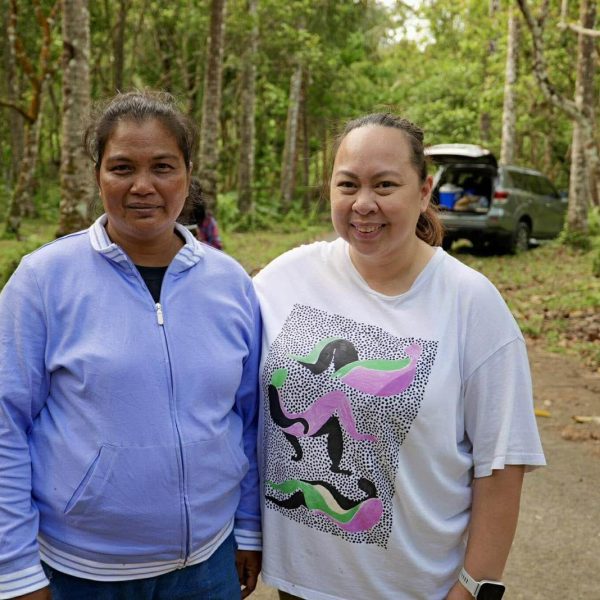
How Chef Rhea Sycip Kept the Fruit (and the Farmers) From Falling
At The Fatted Calf and Flourpot Manila, Chef Rhea Sycip faced a common problem: bruised strawberries.
“They’d arrive overripe, or crushed while in transit,” she recalls. “The farmers would replace them. But that cost was on them. It wasn’t fair. Or sustainable.”
So she went to the source.
Together, she and the farmers redesigned post-harvest handling—better crates, cold chain tech, ventilation. Today, those strawberries last longer, taste better, and bring better returns.
She also began sourcing sampinit (wild raspberries) and helped reintroduce mulberries to local rotation.
“The fruit isn’t just good,” she says. “It tells a story. And that matters.”

The Real Question Isn’t “How Much?”—It’s “Who Benefits?”
When chefs support farmers directly, the goal isn’t to become the new middlemen. They don’t go straight to farmers just to get cheaper produce.They are there to ensure the farmers receive the value their crops truly deserve—so they can survive, improve their quality, and continue farming with pride.
One farmer told us, “Kung bumalik kayo next season, magtatanim ulit ako.” That’s the kind of value we’re talking about. This kind of sourcing gives farmers the confidence to invest in their land and their methods. And it gives young people a reason to believe that farming is a future worth pursuing.
This is about restoring pride and dignity in a profession that everyone depends on—but few actually see.
The system wasn’t designed to favor farmers. That’s not new.
What’s new is how chefs, hotels, and advocates are responding: not just by buying better—but by rebuilding relationships. Acknowledging the name of the farm. Paying reasonable prices. Letting producers speak up. Bringing dignity back into every part of the plate.
“It’s not a trend,” Chef Waya adds. “It’s about shifting the mindset. We can’t fix everything. But we can stop pretending that our ingredients come from nowhere.”

What Happens When Farmers and Chefs Share the Same Table
As for Shirley Baise, she’s still farming in Benguet. Still bringing kiniing and cherry tomatoes to the city on weekend farmers market. But now, her produce are treated differently — plated with care—and credited under her name.
The bruised tomato from the kitchen crate? It wasn’t thrown out from the rest.
It was served—with respect. And a story.
Have you ever met the farmer behind your food? Share your thoughts in the comments—or tell us what local produce you’d love to see on more menus.
Watch more, read more, live more.
Discover how farmers and chefs are reimagining Filipino food systems—one ingredient, one menu, and one shared table at a time. Explore more Simpol Living stories.
WOFEX at 25: Joel Pascual’s Room of Possibility
Filipina Chef Ivory Yat Vaksman’s Catering Journey: From Roast Beef to Resilience