Filipino cafe culture adapts fast and moves on quickly. Milk tea has peaked after years in the spotlight. However, its replacement isn’t just another variation of the same sweet format. Instead, matcha started as an international trend and quickly became a lifestyle staple before the hype could fade.
Matcha is now the dominant trend drink in the Philippines. Its persistence reveals a lot about how local consumer tastes are changing.
The Rise of Matcha
Matcha spent years on international cafe menus before trending locally. Because Japanese pop culture heavily shapes Filipino consumer tastes, matcha already had cultural traction long before the boom.
Local cafes quickly expanded their matcha options, and dedicated matcha bars began opening across the country. In fact, matcha powder imports grew by 132% from 2023 to 2024 alone.
This growth reflects a permanent shift in consumer taste rather than a passing craze.
I used to drink local matcha frappés when I was younger. But after trying authentic matcha in Japan, I fell in love with its strong, earthy flavor,”
says Angela, a 21-year-old foodie from Quezon City.
More Than Just a Drink
The real question isn’t why matcha became popular. It’s why it hasn’t followed the same downward arc as milk tea.
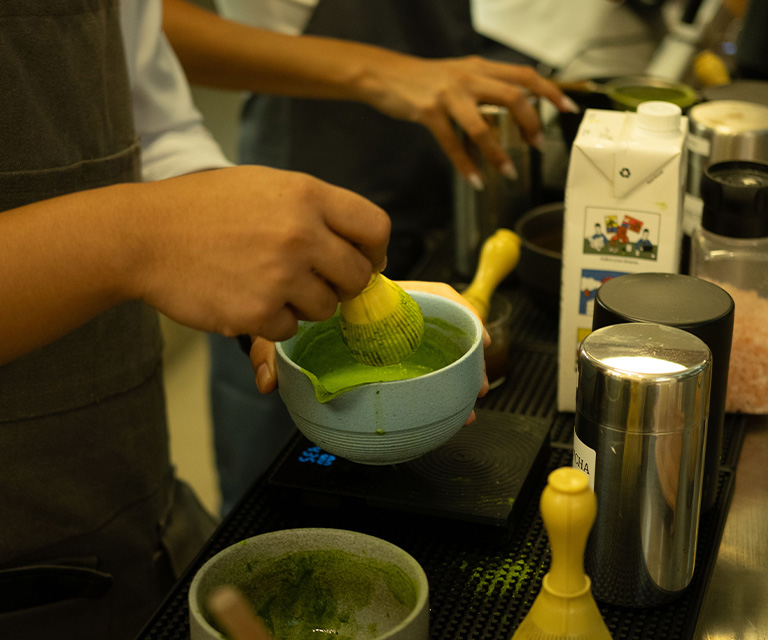
Matcha offers functional and aesthetic benefits that milk tea never could. It delivers a gradual energy boost with less caffeine than coffee. Its L-theanine content also promotes focus without the drowsiness.
Additionally, the vibrant green drink photographs perfectly for social media.
Still, aesthetics and caffeine do not fully explain its staying power. Matcha simply became a lifestyle before it could become boring.
Ritual and Customization
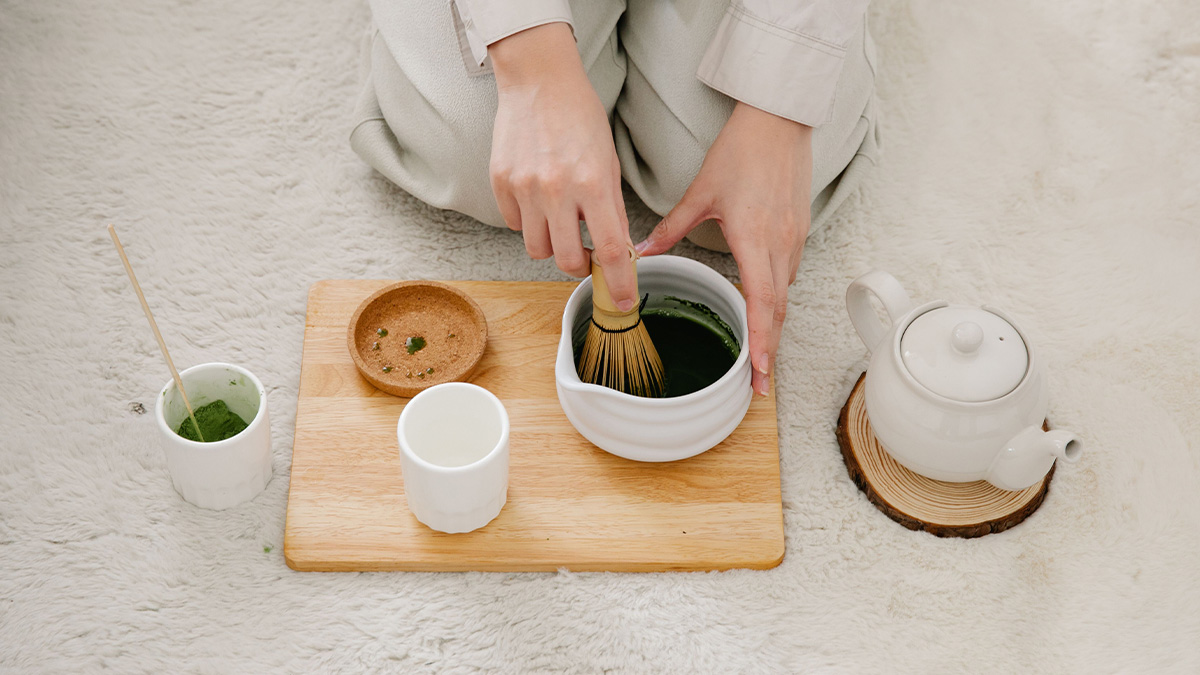
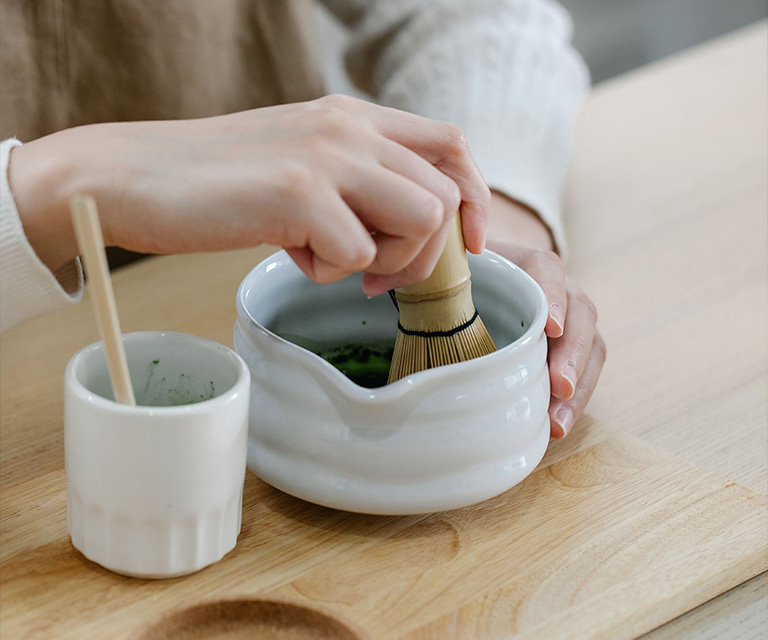
Unlike milk tea, matcha introduced a unique vocabulary and a daily ritual that doesn’t require a cafe visit. At-home whisking sets show steady demand, creating a self-sustaining culture that shop-dependent milk tea never developed.
Customization also sets it apart.
Milk tea offers variety through toppings and sugar levels, but the base remains the same.
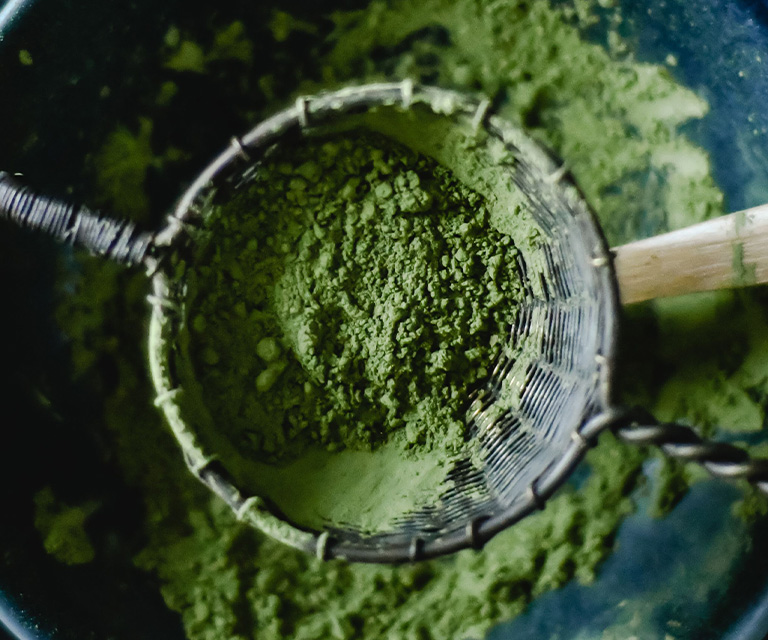
Meanwhile, matcha rewards deeper curiosity. Consumers can explore different milk pairings, preparation methods, and grades—from culinary to premium ceremonial.
This learning curve keeps people invested long after the novelty wears off.
I think other drinks taste better than matcha. Excellent Japanese teas like Hojicha, Genmaicha, and Sobacha often go unnoticed,”
notes Anton, a 25-year-old tea enthusiast from Quezon City.
A Shift Toward Mindful Consumption
The biggest distinction lies in social meaning.
Milk tea was highly communal—something you ordered in groups or requested via pasabay.
Matcha is deeply personal.
The culture positioning it frames the drink as an investment in a slower, more intentional daily life.
This keeps it from fading into background noise.
Trends in the Philippine beverage industry move fast, always mirroring market priorities. Milk tea peaked because it succeeded entirely. It became affordable, ubiquitous, and woven into everyday Filipino life.
Its plateau represents a natural life cycle rather than a failure.
Beyond the Trend
Matcha’s rise aligns with an entirely different set of values. Local Gen Z and millennial consumers increasingly focus on wellness and self-care. Matcha fits this modern identity perfectly.
Most drinks ask very little of consumers. In contrast, matcha demands active engagement and ritual.
This connection is exactly what keeps it relevant today.
The lifestyle absorbed the trend before the hype could disappear.
When a drink survives its own hype, it usually means it stands for something bigger. That is exactly where matcha is right now.
Read more Stories on Simpol.ph
VETMED Student and Viral Creator LANS is the Newgen’s “Sineskwela”