For readers, this story matters because it reflects how disaster is not a distant event but a lived reality that can reshape daily life in an instant. Understanding how families adapt in evacuation centers offers a perspective on resilience, preparedness, and human dignity under pressure. Discussing Mayon Volcano evacuation centers, Albay families resilience reveals why community support systems and disaster response matter to everyone, especially in a country exposed to natural hazards such as volcanic activity.
Life Inside Temporary Shelters
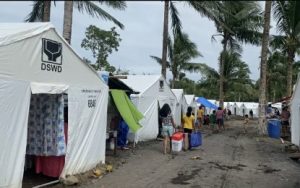
Evacuation centers in Albay have become semi-permanent living spaces for families displaced by the ongoing unrest of Mayon Volcano. What begins as a temporary refuge often becomes an extended stay, forcing families to reconstruct normal life under crowded, limited conditions. In these settings, Mayon Volcano evacuation centers Albay families resilience story unfolds daily.
In one of these shelters, 36-year-old mother Rona Rubianes has turned her assigned space into a more livable environment for her children. Using available materials, she organized sleeping areas, secured storage for food, and created small routines that give structure to their days. Her efforts reflect a broader pattern among evacuees who attempt to restore dignity and stability despite uncertainty.
Adaptation as Daily Survival
Rubianes’ story is not an isolated case but part of a wider coping strategy among displaced families. Many parents in evacuation centers take on the role of both caregiver and improvised organizer of shared spaces. Small adjustments—such as separating personal corners with fabric or maintaining cleaning schedules—become essential acts of survival. Indeed, Mayon Volcano evacuation centers Albay families resilience is demonstrated through each of these small adaptations.
A volunteer assisting in the evacuation site observed:
“Families are not just waiting here; they are rebuilding normal life in small ways that help them stay grounded.”
These small acts of order provide emotional stability for children and adults alike, reducing the psychological strain of prolonged displacement.
Community Response and Ongoing Gaps
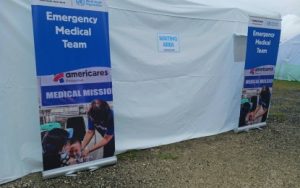
Local responders and volunteers continue to provide food, medical aid, and basic supplies, but challenges remain. Overcrowding, limited privacy, and inconsistent access to long-term resources remain pressing concerns. Relief teams note that while immediate needs are being met, sustained support is necessary as volcanic activity continues to affect surrounding communities.
Despite these limitations, cooperation between evacuees and aid workers has helped maintain a functioning environment inside the centers. Shared responsibilities, such as cleaning schedules and distribution systems, have become essential to daily operations. Ultimately, stories of Mayon Volcano evacuation centers Albay families resilience also suggest the importance of ongoing collaboration and flexibility.
Human Endurance in Disaster Conditions
The experience of families like Rubianes’ highlights the emotional and physical endurance required during prolonged evacuations. Beyond survival, there is an ongoing effort to preserve normalcy for children, maintain routines, and protect mental well-being.
This quiet resilience underscores a broader truth: disaster recovery is not only about infrastructure or relief goods, but also about how people reconstruct everyday life under difficult conditions.
The Importance of Disaster Preparedness in Vulnerable Communities
For readers, this story is a reminder that disaster preparedness is not abstract—it directly affects how communities live, adapt, and recover. It also emphasizes the importance of strengthening local evacuation systems, ensuring adequate resources, and supporting long-term recovery programs. Understanding these realities fosters awareness of how quickly stability can change and why resilience planning is essential in hazard-prone regions.
Read more Stories on Simpol.ph
We Can’t Just Keep Showing Up—We Have to Start Speaking Up
Marikina Eats: Trining’s Radical Kindness Amid Philippine Energy Crisis