Time is a statement, and statement was a time.
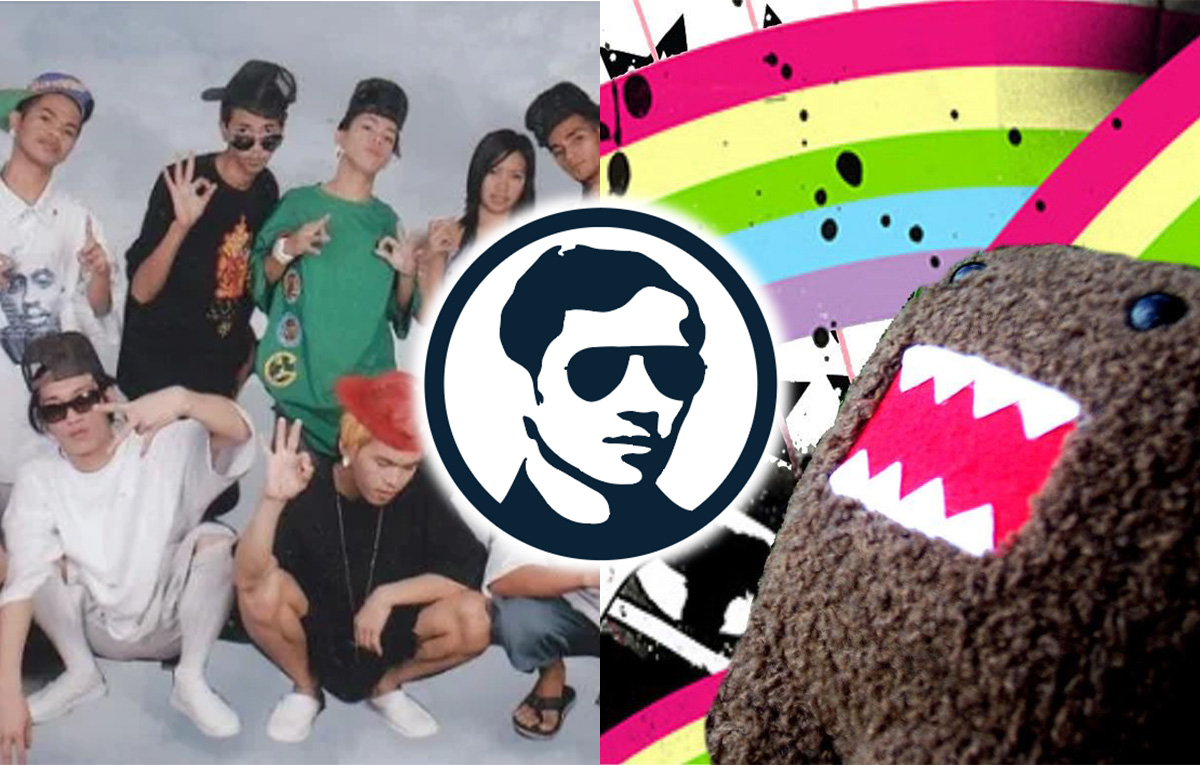
From varsity jackets and flat-brim caps to Domo-kun bags and graphic tees, everyone’s memory box holds a piece of the Jejemon years. Indeed, what better way to showcase Filipino wit than a quotable graphic tee?
Historically, Filipinos have always focused deeply on oral culture. For instance, spoken word, chants, and songs serve as a living heritage. These pre-colonial traditions pass down knowledge, history, and values through generations.
Today, we have brought these spoken forms back to life through pop songs, creative stickers, and business taglines.
Consequently, this cultural rebirth is most visible in local streetwear brands.
The “Low-Brow” Filipino Concept and its Contemporaries
To begin with, the design studio and streetwear powerhouse Team Manila led this movement. They started in 2005 with the launch of “TeamManila Lifestyle.” Founded by Jowee Alviar and Raymund “Mon” Punzalan, the brand released graphic shirts, caps, and tote bags. Their main goal was to praise and lift up modern Filipino visual culture.

Although it originally operated out of a family garage, Team Manila quickly grew into a massive cultural force. Today, they champion bold imagery that completely remakes everyday Pinoy icons. This ranges from Jose Rizal wearing sunglasses to highly detailed looks at jeepneys, street food, and local fonts.
As a result, the early 2000s gave birth to iconic statement tees, such as:
“Ako Mismo” (Francis Magalona merchandise)
“Tao Lang” (FlipTop merchandise by Loonie)
The infamous “Never Give Up” shirt
Meanwhile, various other local brands began supporting the same subculture. Each brand brought a unique style from different scenes. First came Highminds, Don’t Blame The Kids (DBTK), Linya-Linya, and Gnarly!. Soon after, these names paved the way for the independent collective brands we see today.
Brands and their Poetics: Typography is the Call-to-Action
Mahal kitang hayop ka!
As we reclaim Pinoy linguistic wit, we use typography to boost our cultural pride. Brands use everything from bold block fonts to gritty stencils. By plastering highly specific Pinoy taglines across everyone’s chest, they successfully bring the voice of the streets to the people.
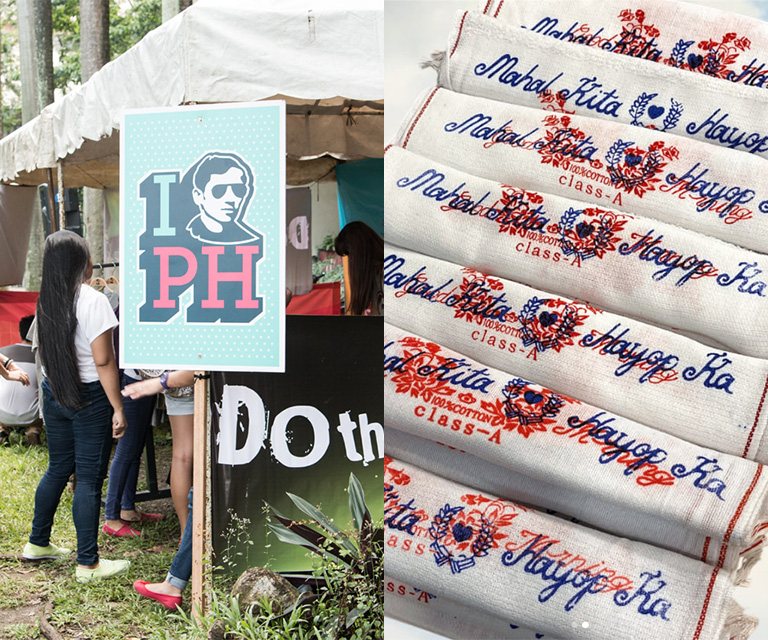
In the Philippines, a graphic tee is never just something you throw on. Instead, it acts as a walking billboard. In a crowded city like Manila, mainstream media often filters out working-class realities. Therefore, these shirts give the youth a raw, open outlet for their thoughts.
By wearing these loud statements, commuters and neighborhood kids share their humor, struggles, and heartbreaks with passersby. Ultimately, this style skips corporate politics completely. It turns the human body into a moving canvas for real street poetry.
Hypebeasts as the Prime Culture Plugs
At the same time, one must recognize the OGs.
The Swagapinos and Jejemons carried the growth of Pinoy streetwear on their backs. As the ultimate culture plugs of the street, their style featured oversized, neon graphic tees. They also used broken text styles that clashed fiercely with middle-class ideals.
As Griot., from the hip-hop band OUTRE, notes on the influence of DIY culture:
The reason why the two fit so well together is because of the DIY movement. The low-brow art scene demands its products to be self-produced. It is a great alternative to mainstream brands that are often overproduced and saturated.”
By turning the graphic tee into a uniform of defiance, they truly opened up street fashion for everyone. They took what main society labeled as “baduy” and proved something new.
They showed that working-class youth could completely take over Manila’s visual scene.
Later on, the subculture shifted into the mid-2010s “Swagapino” era. During this time, these youth became active links to global hypebeast culture.
This movement took the raw energy of the Jejemon and mixed it with global skate and hip-hop styles. For example, this look included drop-tail longline shirts, bold local fonts, and indie gear inspired by the FlipTop battle rap scene.

By wearing these bold statements on public transit and in plazas, Swagapinos acted as real spreaders of the culture. In the end, they plugged the underground directly into the mainstream.
They bypassed traditional fashion gatekeepers and proved that the streets—not high-end malls—drive the true pulse of Filipino youth culture.
Read more Stories on Simpol.ph
The New and Improved Happy Hour
Annual “Balik-Eskwela” and the Force that Makes it happen
The Great Regress: Childhood Pastimes to Cure Modern Burnout