


If Valentine’s Day in the Philippines feels quieter than it used to—and maybe a little less urgent—you’re not imagining it. In fact, Valentine’s Day in the Philippines is changing as more people rethink how they celebrate. In a country long known for being hopelessly romantic, something subtle has shifted.
This isn’t really a story about heart-shaped balloons in mall atriums or fully booked restaurants in BGC and Tomas Morato. It’s about how young Filipinos are rethinking love, connection, and belonging at a time shaped by burnout, economic pressure, and a growing sense of loneliness.
Valentine’s Day just happens to be where all of this becomes visible, and it is clear that Valentine’s Day in the Philippines is changing in many noticeable ways.
From Stuffed Toys to Group Tables
For years, February 14 followed a familiar script. Flower stalls outside MRT stations. Couples lining up for prix-fixe dinners. Instagram feeds packed with bouquets, handwritten notes, and the quiet competition of who did romance “right.”
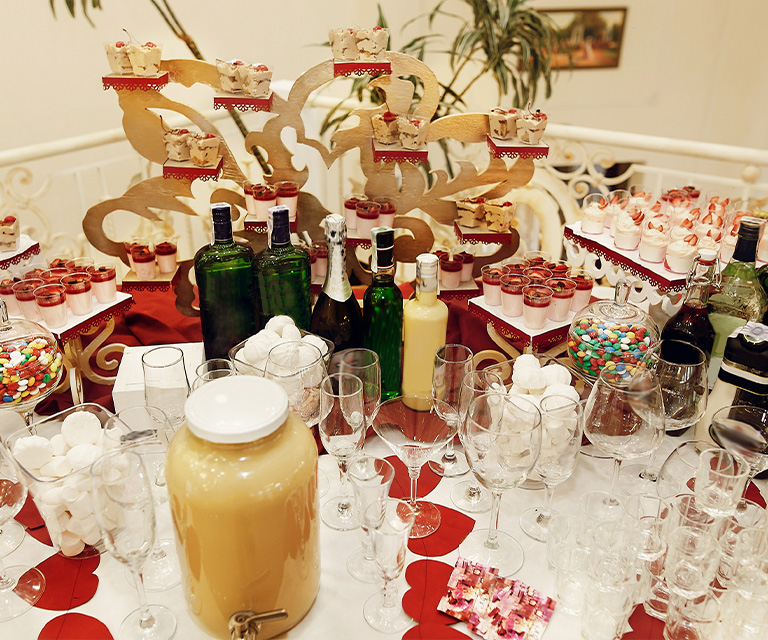
Now, the picture looks different. Friend groups book tables together. Offices host potlucks instead of secret admirers. Some people treat the day like any other—grabbing fast food after work or staying home to rest. Galentine’s dinners and Palentine’s coffee dates aren’t framed as backups anymore. They’re planned on purpose.
“It used to feel embarrassing to say I was spending Valentine’s with friends,” one interviewee shared. “Now it feels intentional. Like—this is who actually shows up for me.”
At first glance, this might look like just another generational trend. But it runs deeper than aesthetics. Valentine’s Day isn’t only becoming less romantic—it’s starting to reflect how young Filipinos actually live. As evidence, we can see Valentine’s Day in the Philippines is changing in both social and cultural ways.

Friendship as the Real Long-Term Commitment
Romance has long been treated as a life milestone in the Philippines. Get into a relationship. Get engaged. Build a family. Friendship mattered, but it was rarely considered permanent—something you enjoyed before eventually “settling down.”
Then reality intervened. The pandemic, extended lockdowns, job losses, overseas separations, and years of uncertainty forced people to reassess their emotional priorities. Romantic relationships ended or stalled. Plans were put on hold. What endured, for many, were friendships.
Friends moved in together to survive rising rent. They became emergency contacts, emotional anchors, sometimes even financial lifelines. Group chats replaced family dinners. Late-night calls replaced dates. Over time, friendship stopped feeling temporary and started feeling essential.
“My friends have seen every version of me,” one person reflected. “They were there before my last relationship, during it, and after it ended. That feels more real than anything else.”
Celebrating friends on Valentine’s Day, then, isn’t a rejection of romance. It’s an acknowledgment of who actually shows up.
Moving Away from Performative Romance
There’s also a growing exhaustion with performative romance—the kind designed as much for social media as for the person receiving it. The pressure to prove love publicly, through gifts and captions and carefully staged moments, has started to feel empty.
For a generation raised online, Gen Z especially, the difference between sincerity and performance is easy to spot. Many are less drawn to grand gestures and more concerned with emotional safety: being listened to, respected, and allowed to be imperfect.
“I don’t need a post,” one interviewee said. “I need someone who feels calm to be around.”
As a result, intimacy has become quieter. Relationships are measured less by visibility and more by peace. Valentine’s Day, once a stage, is now optional. Some people still participate. Others step back without explanation.
Both choices make sense. Clearly, Valentine’s Day in the Philippines is changing for everyone involved.
Opting Out Without Apology
Not long ago, opting out of Valentine’s Day invited judgment. Being single on February 14 was something to joke about or fix. That stigma is fading.
For many young Filipinos navigating low wages and rising costs, disengaging from Valentine’s Day feels practical, not lonely.
“I’d rather spend the day resting than proving something,” one person said. “That used to feel sad. Now it feels healthy.”
This quiet opting out reflects a larger shift: questioning inherited timelines and redefining what a “successful” life is supposed to look like.
Love in a Country Facing a Loneliness Crisis
All of this is happening alongside a quieter problem. Despite strong family ties and constant online connection, many young Filipinos feel isolated. Migration separates families. Hustle culture eats into community time. Digital life amplifies comparison more than closeness.
The traditional model—one romantic partner as the primary source of emotional fulfillment—no longer feels realistic or fair. Chosen family, whether friends, coworkers, or community, offers something broader and more sustainable.
“Asking one person to be everything just doesn’t make sense anymore,” one interviewee said. “That’s too much pressure for anyone.”
This doesn’t diminish romantic love. If anything, it frees it from expectations it was never meant to carry alone.
What Valentine’s Day Is Becoming
Valentine’s Day in the Philippines hasn’t lost its meaning. It’s expanded. Romance is still there, but it no longer sits at the center by itself. It now shares space with friendship, solitude, and quieter forms of care. In short, Valentine’s Day in the Philippines is changing and evolving into something more inclusive.
What’s emerging is a more honest idea of love—one built on consistency rather than spectacle, presence rather than performance. A love that exists across many relationships and helps people endure uncertainty.
If Valentine’s Day feels different now, it’s because it finally mirrors how young Filipinos live. And in that shift is something quietly radical: the freedom to build a meaningful life without waiting for romance to validate it.
Read more Stories on Simpol.ph
The Decade Between Us: When 2026 Looks Back at 2016
Arabelle Dela Cruz Makes History as Grand Champion of Veiled Cup Korea











)