The first thing you notice at Kaayoo Restaurant is not the food. It is the feeling.
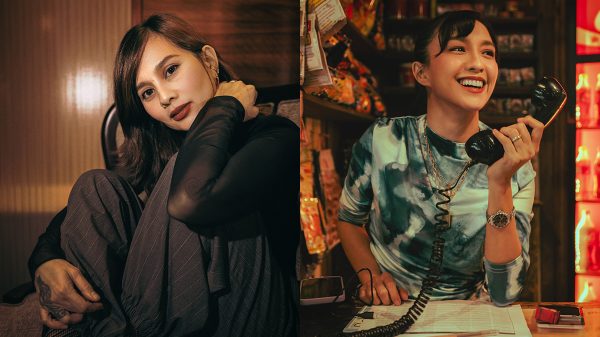
Warm lighting spills over wooden tables. Vintage accents and familiar textures soften the room. There is an unhurried rhythm to the space, where families gather over steaming platters, friends pass dishes across the table, and conversations stretch comfortably into the evening. It feels less like walking into a restaurant and more like arriving at your grandmother’s house—if your grandmother happened to cook some of Cebu’s most memorable Filipino comfort food.
From Cozy Roots to a Home
That sense of familiarity is exactly what owner and chef Anthony Choa envisioned when he opened Kaayoo in early 2024.
The restaurant began modestly in Kasambagan, Mabolo, occupying a cozy, 30-seat space that quickly found a loyal following. The intimate dining room filled almost as soon as the doors opened each day, often leaving regular guests asking for larger accommodations for family celebrations and private gatherings.
We started with just a small, hole-in-the-wall restaurant,” Choa recalls.
But we noticed we would fill up quite fast. Our regular guests kept asking if they could book the whole place or if we had somewhere that could accommodate bigger groups.”
That demand led to Kaayoo’s second home at Streetscape, where the restaurant now welcomes between 80 and 100 diners at a time without sacrificing its inviting atmosphere. The larger space allows celebrations to unfold naturally, whether it is a birthday dinner, a family reunion, or simply a long-overdue catch-up with friends over good food.
Nostalgia as the Main Ingredient
The expansion may have added more seats, but it never lost sight of its original purpose.
Choa admits he simply loves to eat—and even more, he loves Filipino food. Rather than reinventing beloved classics, Kaayoo leans into authenticity. There are no unnecessary flourishes or dramatic reinterpretations. Instead, every dish arrives carrying flavors that many Filipinos instantly recognize, evoking childhood meals shared around the family table.
We didn’t want to twist the dishes too much,” he says.
We wanted the food to stay familiar. We wanted people to remember the flavors they grew up with.”
That philosophy extends beyond the kitchen. Even the interiors are designed to stir memories, echoing the warmth and comfort of visiting a beloved lola. It is nostalgia without becoming theatrical—a thoughtful balance that feels genuine rather than manufactured.
Even the restaurant’s name tells a story.
In Cebuano, kalayo means fire, while kaayo is commonly used to mean “very.” Choa combined the two ideas, tweaking the spelling to create “Kaayoo“—a name that quietly reflects both warmth and intensity while remaining unmistakably local.

Shared Platters and Timeless Classics
The menu follows the same approach: familiar, comforting, and deeply rooted in Filipino cuisine.
Among its standout dishes is the Inasal na Manok, its smoky aroma arriving before the plate even reaches the table. The chicken is juicy beneath crisp, lightly charred skin, making it easy to understand why it has become a house favorite.
Then there is the Kaayoo Special Palabok, a generous platter meant for sharing among three to four diners. Rich, savory, and generously layered with toppings, it captures the kind of communal dining experience that defines Filipino celebrations. Its seafood counterpart offers another equally satisfying option for larger groups, proving that some meals are simply better when everyone reaches for the same plate.

Regional Inspirations and Playful Twists
One of the restaurant’s most intriguing offerings is the Bulcachong, a comforting soup inspired by Choa’s travels to Davao.
Traditional versions use bull meat, but Kaayoo gives the dish its own identity by using tender beef shanks instead. The result is deeply flavorful without feeling overly heavy—a bowl that feels both familiar and refreshingly different.
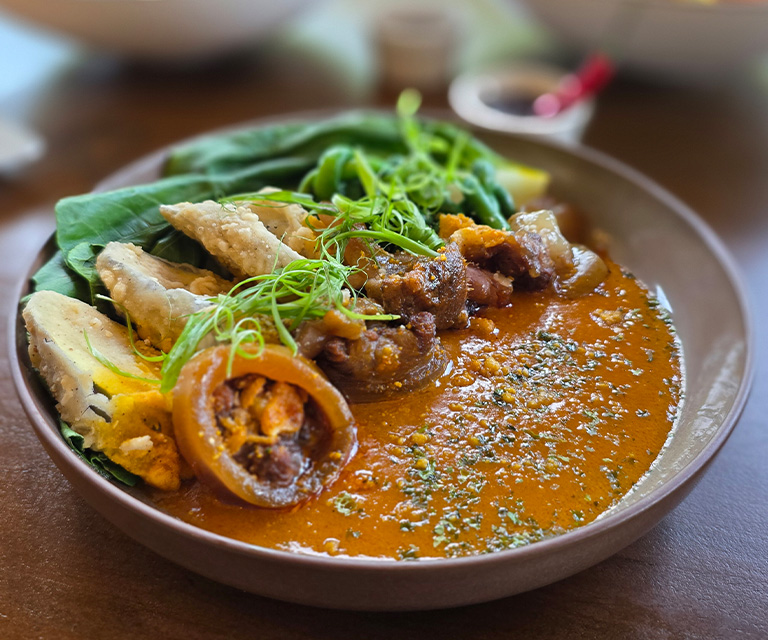
Those craving classics often gravitate toward the Oxtail Kare-Kare, where slow-cooked meat yields effortlessly beneath a rich peanut sauce that delivers exactly the comforting flavors diners expect. While Kaayoo also serves a crispy pork variation, it is the traditional oxtail version that continues to win over guests seeking timeless Filipino fare.
And then there is the KFC—not the one you are thinking of, but Kaayoo Fried Chicken. Golden, crisp, and unapologetically satisfying, it is the kind of playful menu item that sparks curiosity before quickly becoming a repeat order.
The Timeless Appeal of Coming Home
Perhaps that is Kaayoo’s greatest achievement.
In an era where restaurants often compete to be louder, trendier, or more Instagrammable, Kaayoo quietly reminds diners that familiarity never goes out of style. The space photographs beautifully, sure—but its real charm lies beyond the camera roll. It lives in shared servings, stories exchanged between bites, and recipes that do not need reinvention to feel exciting.
Sometimes, the most memorable dining experiences are not about discovering something entirely new. Sometimes, they are about rediscovering the flavors that have always felt like home.
At Kaayoo Restaurant, every meal is less about chasing the next food trend and more about coming home to Filipino cuisine—one comforting plate at a time.
Read more Stories on Simpol.ph
Where the Sea Meets the Table: Panagatan’s Enduring Coastal Hospitality in Cagayan de Oro
Where Warm Hospitality and Heritage Flavors Converge at Cucina Higala
Where Comfort Checks In: The Neighborhood Charm of Poco Deli