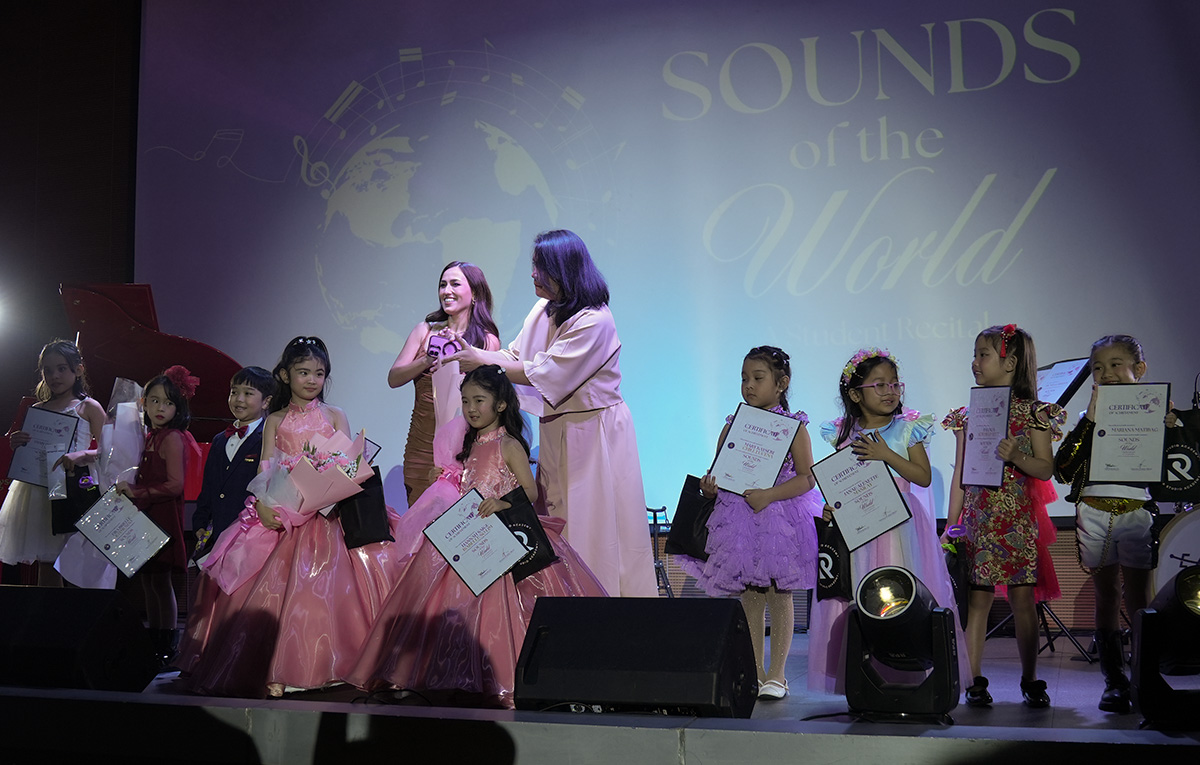
On April 11, the stage did not merely host a recital; it became a kind of passport. Interestingly, the recital that evening—called Sounds of the World—brought the RMA Studio Academy community together for a vibrant journey that united all participants.
Inside a warmly lit auditorium humming with anticipation, 97 students of RMA Studio Academy took part in “Sounds of the World,” a student recital that felt less like a conventional showcase and more like a curated journey across continents, genres, and emotional registers. Families leaned forward in their seats, phones poised but momentarily forgotten, as the first notes cut through the air—tentative at first, then blooming into something fuller, braver.
The ambiance struck a careful balance between polished production and intimate vulnerability. There were no towering theatrics or overwhelming spectacle; instead, the atmosphere was charged with something more compelling: the quiet electricity of growth. Each performer carried not just a melody but a personal milestone. The lighting cast a soft glow that seemed to cradle each student as they stepped into their moment, transforming nerves into narrative.
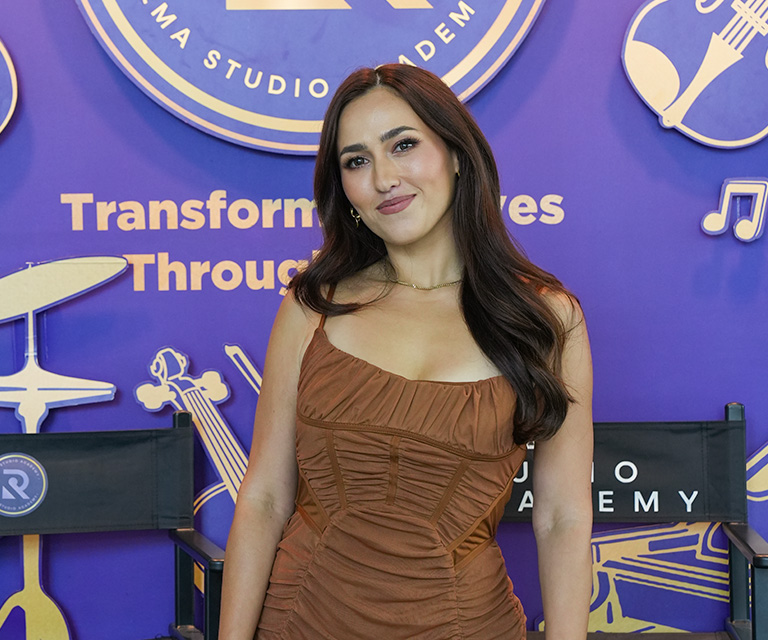
RMA Studio Academy, under the direction of celebrity vocal coach Jade Riccio, has long positioned itself as more than a training ground. It is, as Riccio describes,
“A platform for the students to actually excel in so that we can also have a sense of goal for the students, because if there is no platform to perform in, then most people do not set a goal.”
That philosophy was palpable throughout the evening. This was not simply about hitting the right notes; it was about giving those notes a reason to exist.
“Sounds of the World” as a theme could have easily leaned into cliché, but instead, it unfolded with surprising intentionality. The repertoire spanned languages and styles, each piece acting as a vignette of cultural texture. A ballad might segue into something rhythmically intricate; a Western classic might give way to an Asian pop favorite. The transitions felt organic, as if the borders between genres had quietly dissolved.
Riccio’s reasoning behind the concept is both straightforward and expansive.
“When you hear ‘Sounds of the World,’ maiisip mo kaagad iba-ibang bansa, of course, right?
Since I like all sorts of music, I also wanted to introduce that to the audience and to those who are listening. I want them to be as well-rounded as our students. I would like to share that because it’s so beautiful and music is very universal.”
In sharing various musical cultures, the “Sounds of the World” recital at RMA Studio Academy broadened perspectives for both students and attendees.

That universality became the evening’s through line. While each student brought a distinct voice—some airy and delicate, others bold and resonant—there was a shared sense of discovery. It was as if the performers were not only interpreting songs but also trying on different identities, stretching their artistry in real time. For the audience, the effect was quietly radical: a reminder that playlists, like people, need not be confined to a single mood or genre. Moreover, it created a unique space for diversity and musical exploration.
And yes, there were moments of endearing imperfection. A slightly missed cue here, a wavering note there. But rather than detract, these instances underscored the authenticity of the experience. In an era where performances are often filtered, edited, and optimized for virality, the recital offered something refreshingly unpolished: presence. Real voices in real time, navigating the unpredictable terrain of live performance.
Between acts, the energy in the room shifted in subtle waves—bursts of applause, whispered encouragement, the occasional collective exhale after a particularly moving number. It felt communal, almost familial, as though everyone present had a stake in each student’s success. Even the quietest performances commanded attention, drawing listeners into a kind of shared stillness.

For Riccio, these moments are the true reward.
“Seeing them every recital and every concert really takes my breath away. Seeing them shine, that’s really the most rewarding part.”
It is a sentiment that might sound familiar, even expected, but within the context of the evening, it carried weight. One could see it in the way she watched from the sidelines—attentive, proud, and visibly moved.
What distinguishes “Sounds of the World” is not merely its theme but its intent. It resists the transactional nature of many student showcases, where performances are often treated as endpoints. Here, the recital felt like a checkpoint instead—a marker of progress within a longer artistic journey.
By the final number, the room had settled into a kind of quiet awe. The applause that followed was not just loud but sustained, almost insistent, as if acknowledging not just what had been performed but what had been risked. For the students, the stage had become a space to test their limits. For the audience, it offered a glimpse into the evolving language of young performers who are, quite literally, finding their voice.
In a cultural moment defined by speed and constant output, “Sounds of the World” made a compelling case for slowing down and listening—really listening. Not just to the music, but to the people behind it.
And if the evening proved anything, it is this: when given a platform, a little guidance, and a lot of heart, even the smallest voices can travel very far.
Read more Stories on Simpol.ph
Dance of Valor 2026: Bataan Honors Heroism Through Movement and Memory
Offshore Music’s Summer 2026 Slate Signals a Bold Shift in OPM’s Soundscape
The Divine Return: Gab Pangilinan Is Manila’s Newest Superstar