For students, educators, and university personnel, access to safe and affordable housing directly shapes academic performance, well-being, and daily productivity. When living conditions are secure and located within or near campuses, time and financial burdens are significantly reduced, allowing the academic community to focus on learning, teaching, and service. This initiative is especially significant as many state universities and colleges continue to face housing shortages and rising living costs. Notably, the Pag-IBIG CHED Project BALAY affordable housing for SUCs aims to address these challenges.
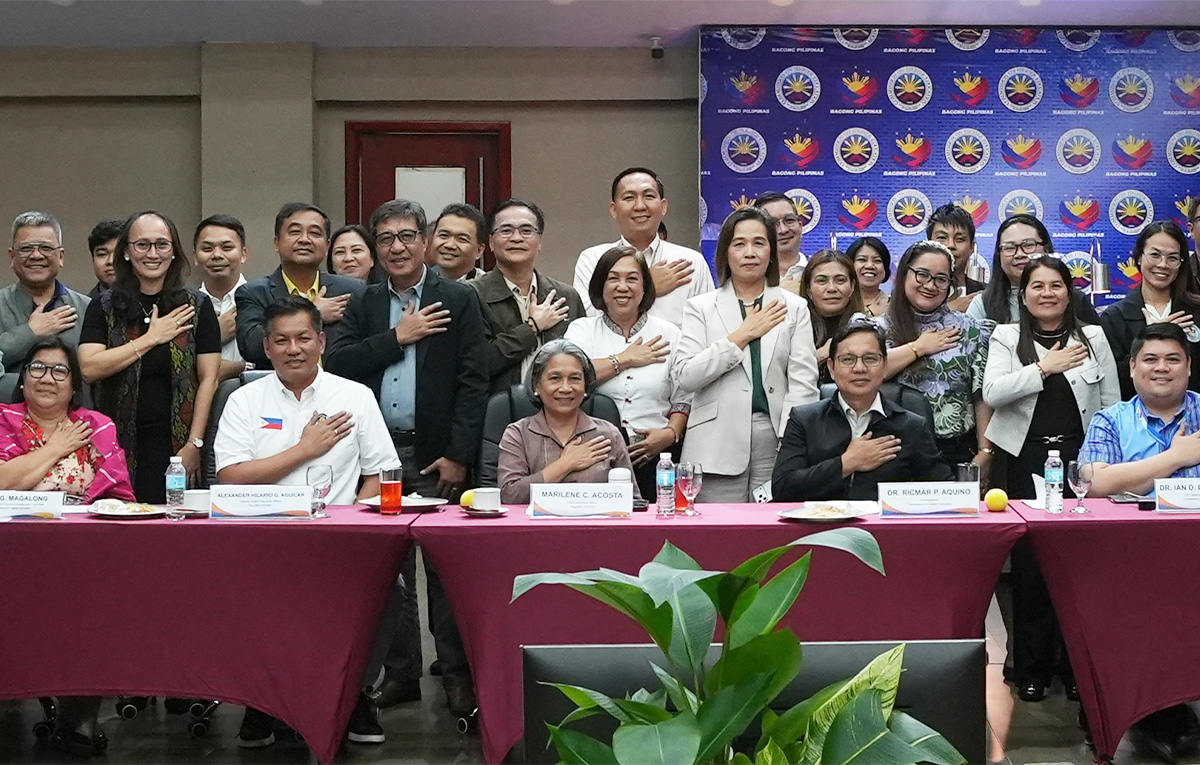
The Pag-IBIG Fund, in partnership with the Commission on Higher Education (CHED), has launched Project BALAY: Bridging Access to Learning, a nationwide initiative aimed at expanding affordable rental housing for educators, students, and non-teaching personnel in state universities and colleges (SUCs). Presented during a consultative meeting held on April 15, 2026, at the CHED Auditorium in Quezon City, the program underscores a strategic effort to integrate housing development within or near academic institutions to strengthen education support systems. In short, Pag-IBIG CHED Project BALAY affordable housing for SUCs is creating real opportunities for campus communities.
Affordable Housing as a National Academic Priority
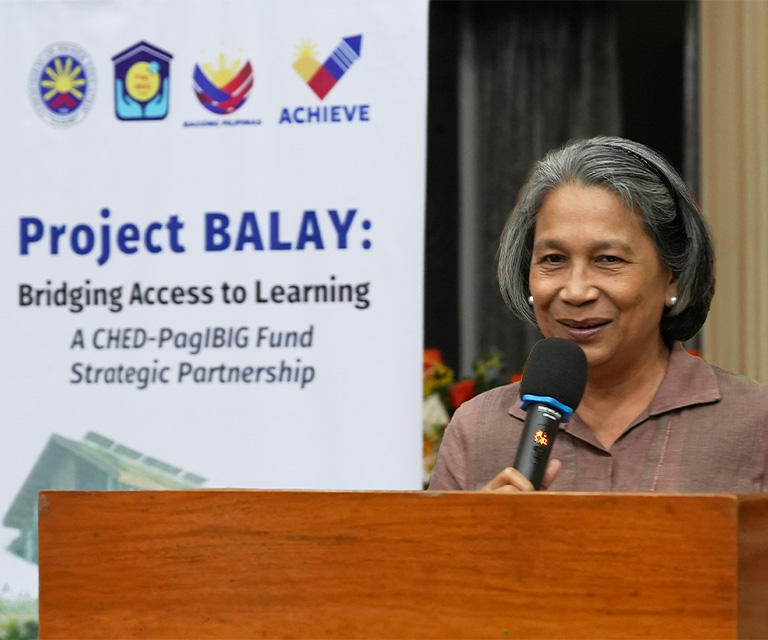
During the consultation, Pag-IBIG Fund Chief Executive Officer Marilene C. Acosta underscored the agency’s commitment to addressing the long-standing housing gap in the education sector through targeted financing support.
“We are committed to expanding access to dignified and affordable housing for the academic community through sustainable and inclusive financing programs,” Acosta said. This highlights how the Pag-IBIG CHED Project BALAY affordable housing for SUCs is prioritizing the academic sector’s unique needs.
Under its Rental Housing Construction Loan program, Pag-IBIG Fund offers state universities and colleges financing at a subsidized 3 percent interest rate per annum for the first 10 years, with repayment terms of up to 30 years. The agency has allocated ₱6.3 billion to support the development of dormitories and rental housing facilities, signaling a large-scale investment in academic infrastructure beyond classrooms and laboratories. This significant funding directly supports the Pag-IBIG CHED Project BALAY affordable housing for SUCs and its impact on educational access.
Collaboration Across the Education Sector
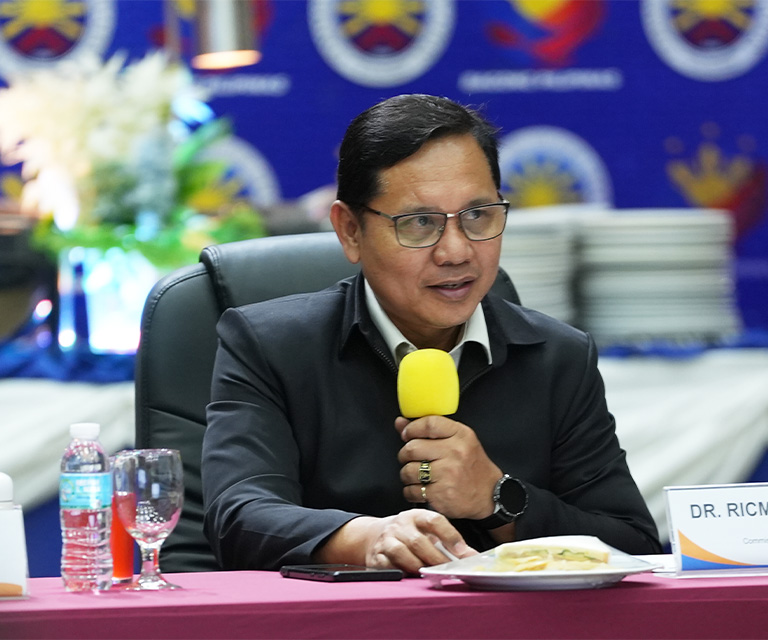
The consultative meeting brought together more than 30 state universities and colleges nationwide, where participants shared insights on site development, financing structures, and implementation strategies tailored to their respective campuses. Pag-IBIG Fund Deputy Chief Executive Officer Alexander Hilario G. Aguilar, along with CHED Commissioners Dr. Ricmar Aquino and Dr. Myrna Mallari, and Officer-in-Charge Deputy Executive Director Ian Evangelista, facilitated discussions on practical deployment.
To date, 11 SUCs have engaged with Pag-IBIG Fund, reflecting early momentum and institutional interest in adopting the program. Stakeholders emphasized the importance of scalable and sustainable housing models that can adapt to varying campus needs across regions.
Impact on Academic Communities
This initiative directly affects how students and educators experience daily academic life by reducing housing insecurity and commuting challenges. It also strengthens the broader education system by ensuring that academic communities are supported not only inside the classroom but in their living environments as well. Understanding this development highlights how public institutions are shaping long-term solutions that improve access, stability, and quality of education in the Philippines.
Read more Stories on Simpol.ph
Pag-IBIG Backs Precast Housing with Megawide, Targets More Than 7,000 Units in Two Years
Pag-IBIG Members’ Savings Surge to Record ₱160.41 Billion in 2025