For everyday consumers, this shift matters because it directly affects how accessible, affordable, and engaging neighborhood shopping becomes. The sari-sari store—once defined by routine purchases—is now evolving into a space shaped by digital influence and consumer curiosity. Experiencing these changes offers insight into how technology is quietly redefining even the most familiar aspects of Filipino life.
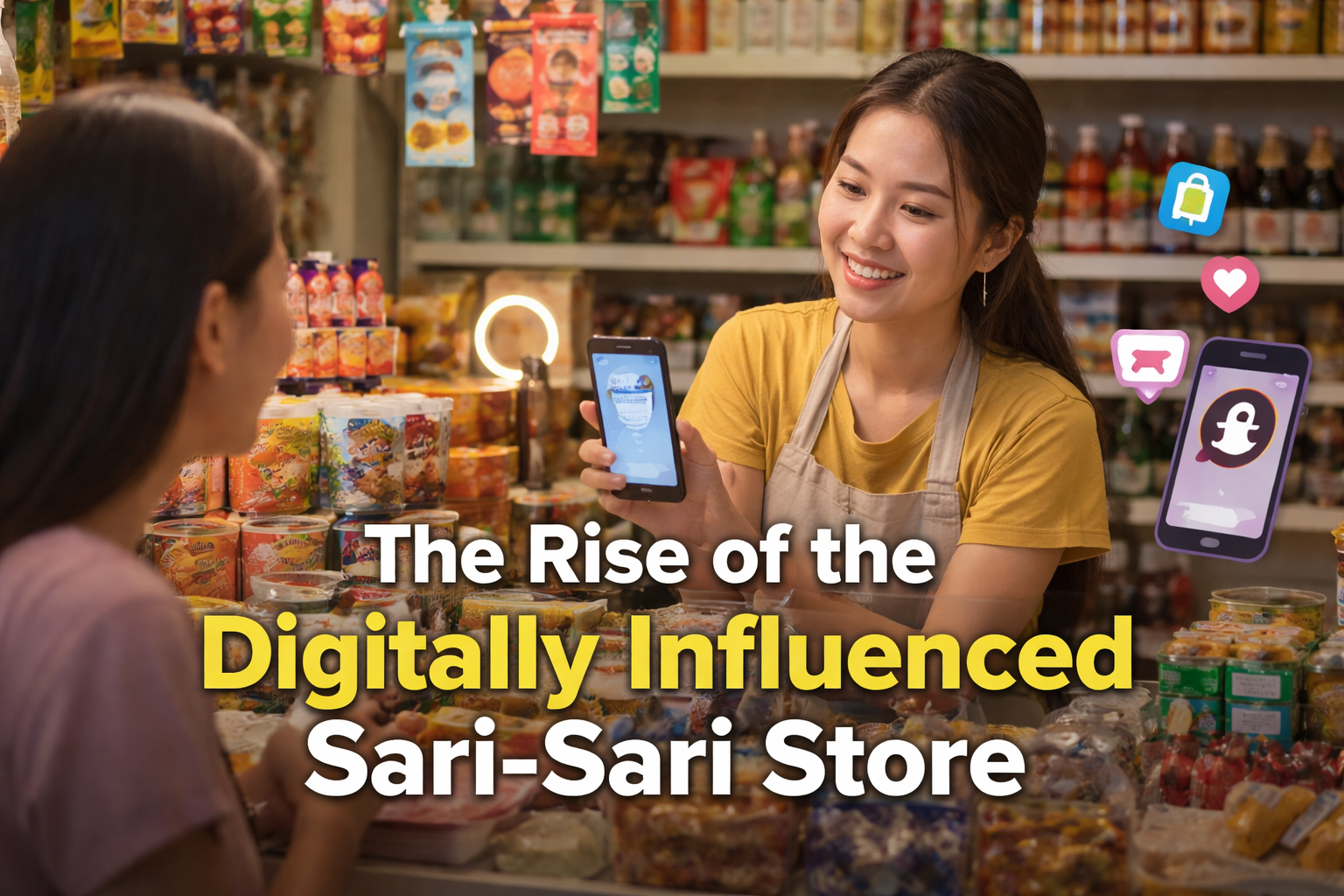
The Rise of the Digitally Influenced Sari-Sari Store
The traditional sari-sari store has long been a cornerstone of Filipino communities, offering convenience, familiarity, and a sense of trust. In 2026, however, these small neighborhood outlets are undergoing a subtle but significant transformation—driven not by large-scale infrastructure but by the influence of social media platforms like TikTok.
Short-form videos featuring trending snacks, budget-friendly meal hacks, and “budol finds” have begun shaping what customers look for at their nearest tindahan. Store owners, in turn, are adapting their inventory to meet these evolving demands. Viral products—ranging from imported instant noodles to novelty candies—are now finding shelf space alongside traditional goods.
This shift reflects a broader democratization of influence, where even micro-entrepreneurs respond to real-time consumer behavior shaped online.
Stocking What Sells: Data Meets Instinct
Unlike large retailers that rely on formal analytics, sari-sari store owners are blending instinct with observation. Viral trends serve as informal market signals, guiding purchasing decisions with surprising precision.
A store owner in Quezon City shared how a single TikTok trend significantly boosted sales:
“When a chocolate brand started trending online, customers kept asking for it—even kids who usually buy candies. I decided to stock a few boxes, and they sold out in two days. That’s when I realized social media is now part of my negosyo.”
This responsiveness illustrates how digital culture is reshaping grassroots entrepreneurship. Instead of static inventories, sari-sari stores are becoming agile, trend-aware micro-retail hubs.
Community Spaces in a Digital Age
Despite these changes, the essence of the sari-sari store remains intact. It continues to function as a social space where neighbors connect, share stories, and build relationships. What has changed is the layer of digital awareness embedded within these interactions.
Customers now exchange not only personal updates but also recommendations based on what they’ve seen online. A simple purchase can spark conversations about viral recipes, product reviews, or trending challenges—blending offline community life with online culture.
This hybrid dynamic reinforces the relevance of sari-sari stores in an increasingly digital society.
Challenges Behind the Trend
While the influence of TikTok and similar platforms offers opportunities, it also presents challenges. Rapidly changing trends can lead to inconsistent demand, making inventory management more complex. Small store owners must balance the risk of overstocking with the pressure to stay relevant.
Additionally, not all viral products are easily accessible through local distributors, creating supply gaps that larger retailers are better equipped to fill. This highlights an ongoing disparity between small-scale vendors and corporate chains.
Cultural and Economic Implications
The intersection of social media and sari-sari store culture underscores a larger narrative about Filipino adaptability. It demonstrates how even the most traditional business models can evolve without losing their identity.
From an economic perspective, this trend empowers small entrepreneurs to remain competitive in a rapidly shifting market. From a cultural standpoint, it reinforces the sari-sari store’s role as both a commercial and communal anchor—now enriched by digital connectivity.
Significance for Shoppers and Neighborhoods
For readers, understanding this evolution offers a deeper appreciation of how daily consumption habits are shaped. Supporting sari-sari stores that adapt to modern trends helps sustain local economies while preserving community-based commerce.
More importantly, it highlights the value of staying engaged with these neighborhood spaces—not just as points of purchase but as reflections of Filipino resilience and innovation in a digital era.
Read more Stories on Simpol.ph
20+ Sulit Summer Ideas for Big Fun on a Budget
In the Quiet Corners of the City, Hidden Cafés Becomes Our Haven