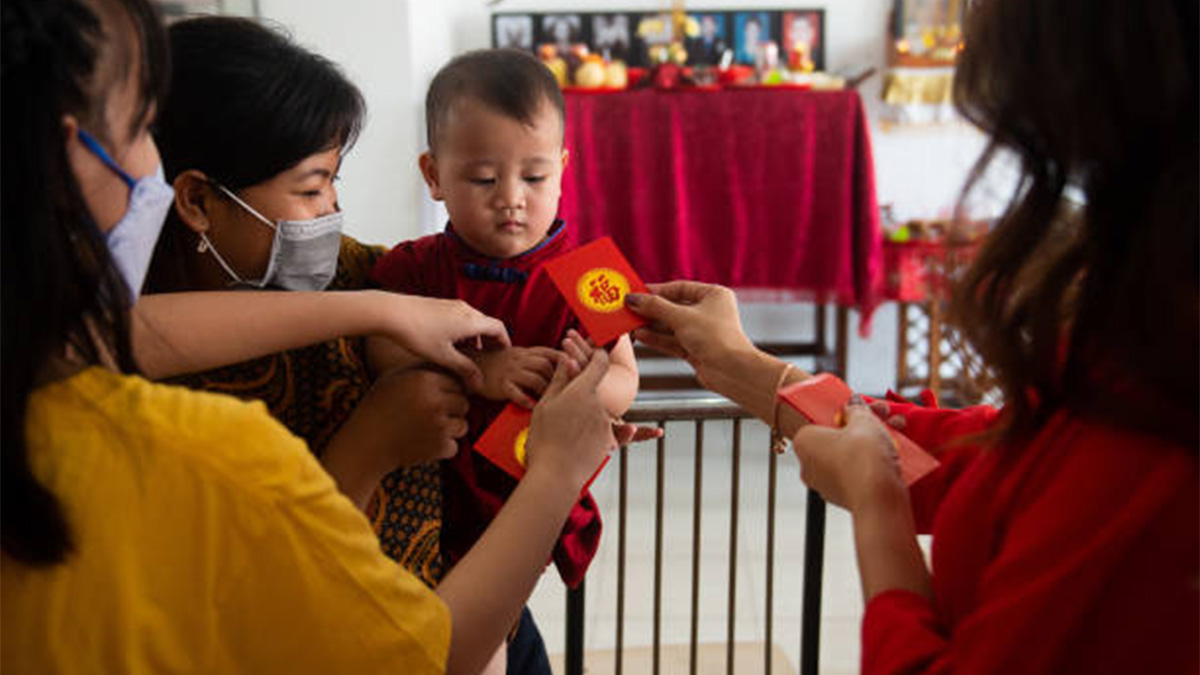
Being a ninong or ninang in the Philippines comes with an unofficial Christmas responsibility: pamasko. Was that ever supposed to be the point?
More Than a Christmas Tradition
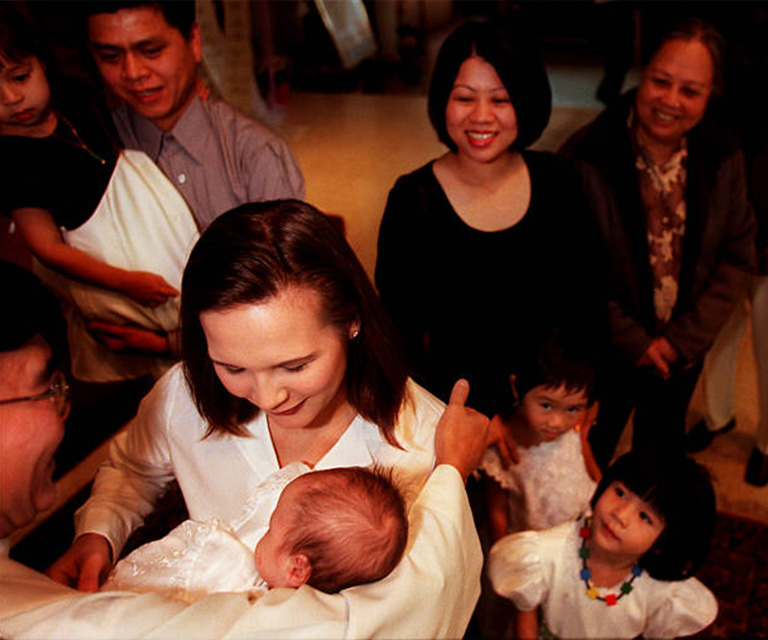
Every December, Filipino children know the ritual: visit the ninong and ninang, offer a mano, say “Namamasko po!”, and wait for the aguinaldo.
For them, it’s simply a part of Christmas. Over time, however, the role of a godparent has picked up the expectation to give.
According to Earl Erik M. Rodil’s study for the University of the Philippines-Diliman, Filipino godparents traditionally take on “sworn roles as the second parent of their godchild.” But Rodil also observes that the role has increasingly become associated with “material and monetary gifts instead of their sworn roles during the godchild’s baptism.”
The role was meant to extend the family. Today, it can feel like an annual gift-giving appointment.
A Relationship Built on Kinship
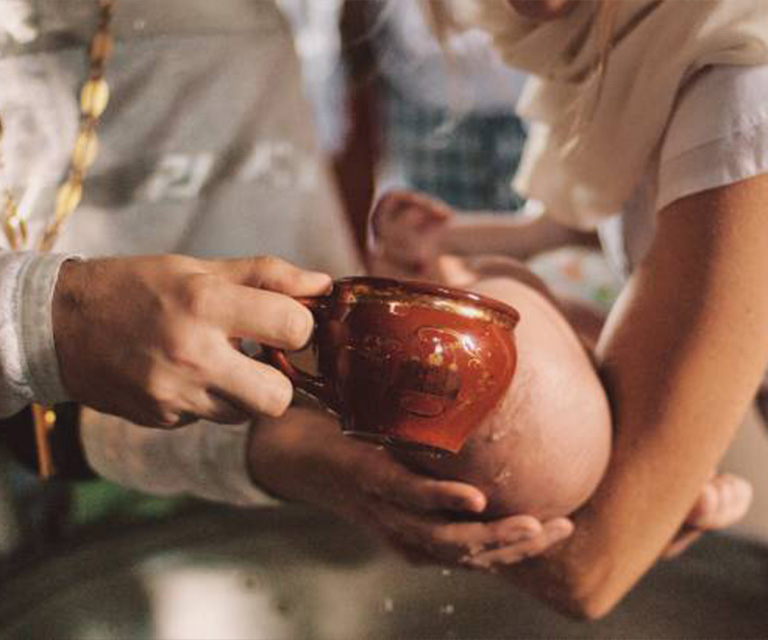
The idea of godparenthood in the Philippines has deeper roots than Christmas.
Historian Mark Dizon’s research on early-eighteenth-century communities in Luzon explains that people could form kinship ties even without being related by blood. Through practices including “baptismal godparenthood and compadrazgo (ritual kinship),” non-relatives could “become and stay kindred.”
A godparent isn’t simply someone who attends a baptism; they become part of a wider network of family and social relationships. This is what makes it a distinctive relationship.
“Connection talaga,” says Kevin Ogario, a sales officer for a publishing company. “Pero pinipili ko pa rin yung mga alam kong tutulong kapag may nangyaring hindi maganda sakin.”
As anthropologist Frank Lynch described compadrazgo in the Philippines, it is a form of ritual kinship that turns a religious ceremony into a lasting social connection. Godparenthood, then, was never meant to be transactional.
What Does a Godparent Actually Owe?
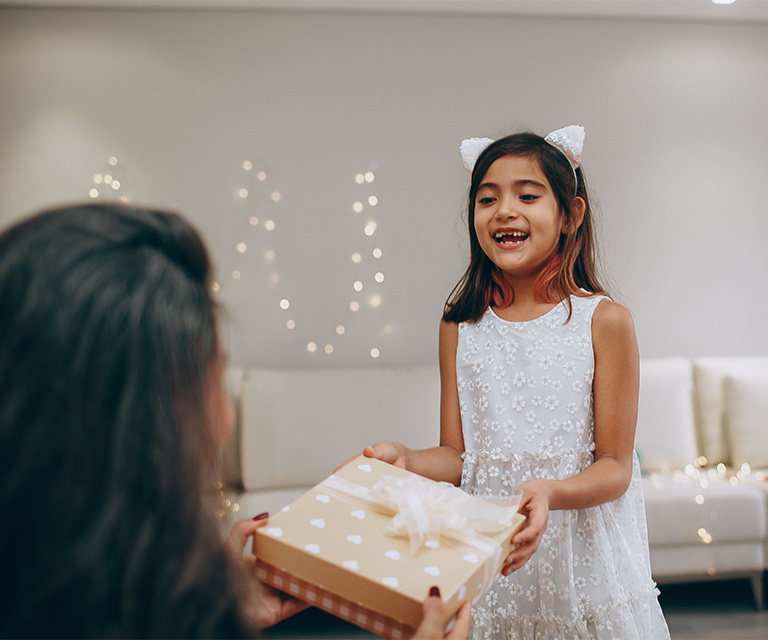
The Church’s definition of a godparent tells a different story.
The Catechism of the Catholic Church states that godparents must be “able and ready to help the newly baptized” on the road of Christian life. Canon Law similarly says that a sponsor helps the baptized person “to lead a Christian life in keeping with baptism and to fulfill faithfully the obligations inherent in it.”
Notice what isn’t mentioned: a Christmas budget. There is no required amount of aguinaldo, or value attached to whether an inaanak receives cash or a gift.
Pamasko can be an expression of affection. But once it becomes something a godparent is expected to provide simply because of their title, generosity starts looking less like generosity and more like an obligation.
When Tradition Becomes Pressure
The pressure becomes harder to ignore in a culture where saying no can feel like an insult. Hiya (the fear of embarrassing or offending someone) can make it difficult to turn down a request, even when you cannot afford it.
In a casual prompt interview, videographer Rolando Salorsano reflects: “Sinasabihan ko na nga mga kaibigan ko na hindi na ako magnininong,” he says. “Pero syempre di ko naman tatanggihan pag ginawa akong ninong.”
A person may accept being a ninong or ninang simply because refusing feels awkward or impolite. Parents may choose relatives, close friends, respected elders, or people they simply want to keep close.
The underlying problem isn’t that Filipino children receive gifts. It is that gifts can easily become the primary measure of the relationship. A godparent who gives generously is remembered fondly, while one facing financial constraints may feel a quiet sense of guilt.
The problem is that the gift can start to matter more than the relationship itself.
Bringing Back the Relationship
The solution isn’t to abandon pamasko, but to put it back in its proper place.
A ninong or ninang can give money every Christmas. But they can also be the person who remembers a graduation, answers a difficult question, or simply stays in a child’s life. Maybe that’s a tradition worth keeping.
For Jeohan Aquino, a video editor, it’s his way of showing his care for his inaanak. “Gusto ko naman siyang bigyan,” he says. “Minsan lang rin naman mag-Pasko.”
Godparenthood is, after all, a form of kinship designed to create family beyond blood.
If it is an obligation to hand over cash every Christmas, then we have reduced a meaningful relationship to a transaction. But if it is an obligation to care, guide, and show up for a child, then that is a tradition truly worth keeping.
Read more stories on Simpol.ph
From Accidental Chef to Industry Mentor: Chef Kalel Chan on Grit and Growth