If you’ve dined in a modern Filipino restaurant lately, you may have seen something curious brought to the table—not in a grinder or shaker, but whole. A solid oval of salt, gently cracked or shaved in front of diners. Smoky, savory, almost primal. Some call it a conversation piece; chefs call it a treasure. Filipinos, especially Boholanos, know it by its true name: Asin Tibuok.
And now, the world knows it too.
This December 2025, the salt-making tradition of Alburquerque, Bohol, was officially inscribed on the UNESCO List of Intangible Cultural Heritage in Need of Urgent Safeguarding—a recognition that elevates this salt from culinary novelty to cultural heirloom. It’s a proud moment, and also a reminder: this practice is fragile, and preservation requires intention.
A Craft That Came Close to Disappearing
Salt seems simple. But Asin Tibuok isn’t mined, refined, or factory-processed. It’s made through a method so time-intensive, so bound to place and memory, that only a few asinderos (salt makers) still know how to do it.
Ironically, its near-extinction wasn’t from lack of relevance—it came from regulation. When the ASIN Law (RA 8172) was passed in 1995, mandating salt iodization, many traditional producers couldn’t comply without altering their craft. Most stopped.
Except in Albuquerque.
There, a handful of families kept making salt quietly—not because it was profitable, but because stopping meant losing something irreplaceable.
Then Fine Dining Found It Again
Years later, Filipino chefs tasted Asin Tibuok and immediately recognized something rare. The flavor—smoky, briny, gently sweet, and deeply mineral—felt like coastline and charcoal and history in one bite.
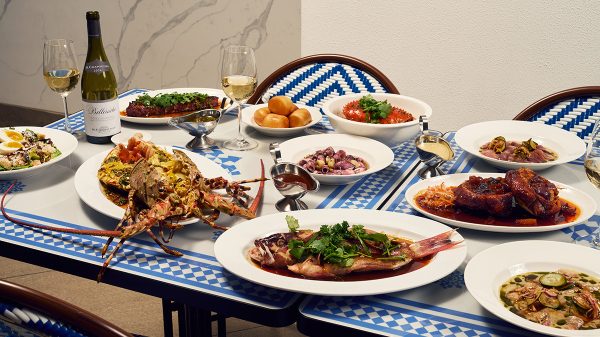
Soon, restaurants began presenting the whole salt at the table—letting diners shave it like aged cheese. Its shape earned it a playful nickname: the “dinosaur egg.” Diners were intrigued. Demand grew. Interest followed.
A craft once seen as outdated became a symbol of Filipino culinary identity and terroir.
A Year in the Making
The process reads more like devotion than production.
Coconut husks are soaked in seawater—sometimes up to a year—until they absorb the ocean. They’re burned into ash, and seawater is poured through that ash to create a concentrated brine called tasik. The brine is simmered, then transferred to handmade clay pots. For days, the pots sit above the heat until the salt crystallizes into one solid mass.
The sign it’s ready isn’t a timer—it’s when the clay cracks.
One asindero put it simply:
“Salt tells you when it’s done. You just need to listen.”
Now Officially Protected
Before UNESCO recognition, Asin Tibuok earned Geographical Indication status through IPOPHL in October 2025, protecting its name and origin. UNESCO recognition adds another layer—ensuring not just protection of the product, but safeguarding of the knowledge, tools, and community behind it.
This matters. Heritage doesn’t vanish overnight—it disappears when no one continues the work.
A Future Rooted in Memory
Today, Asin Tibuok sits at a meaningful intersection: embraced by chefs, protected by institutions, and still handmade by the same families who once wondered whether anyone would care.
This recognition doesn’t freeze the tradition in time—it gives it room to grow, be taught, and be passed forward.
So the next time you see someone shave this smoky salt over grilled fish or vegetables, you’ll know: it’s more than seasoning. It’s survival, persistence, and story—crystallized.
And sometimes, heritage tastes like salt.
Stay curious. Stay rooted. Stay Simpol.
The Salt Paradox: We are celebrating Asin Tibuok’s UNESCO status—a victory for our non-iodized heritage salt! But why is 80% of our market still flooded with imported industrial salt?
The ASIN Law (RA 8172) nearly killed this craft. Learn the real fight our local asinderos face and how we can fully revive the Philippine salt industry.
➡️ WATCH: Season of Salt by Chef Tatung
Read more Stories on Simpol.ph
Walking the Soul of the City: Ivan Man Dy and 20 Years of Manila Heritage Walks
Velvet & Vines: When Art Meets the Spirit of Wine
Why More Filipino Millennials Are Walking Away From Family Obligations