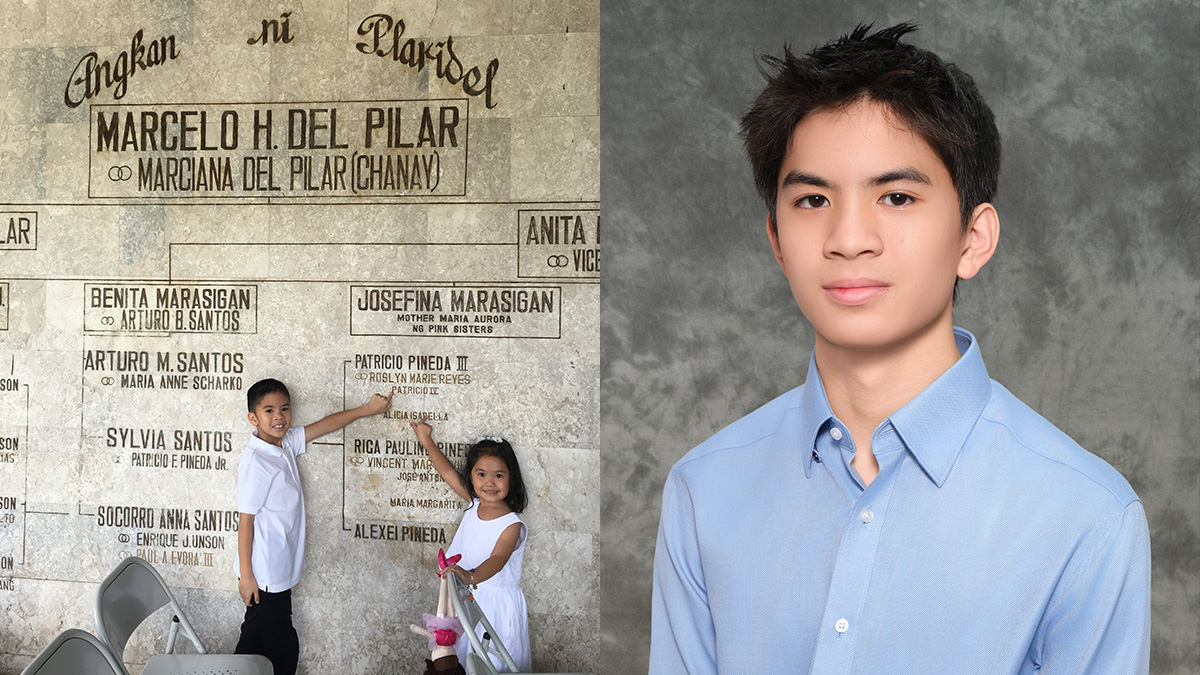
At only 17 years old, Pax Pineda is bridging national history with personal heritage. In fact, as the great-great-great-grandson of Marcelo H. Del Pilar.
Recently, Pineda partnered with the Ayala Museum and the National Historical Commission of the Philippines (NHCP). Together, they present LOLO MARCELO: THE MAN BEHIND THE HERO (Reflections on the Legacy of Marcelo H. Del Pilar). Running from September 4 to October 17, 2026, the pop-up exhibition is located at the 2F Lobby of the Ayala Museum’s Diorama Experience Gallery. Furthermore, it showcases rare artifacts, letters, and artworks on loan from the Marcelo H. Del Pilar Shrine in Bulacan.
Reconnecting The Historical And Personal Heritage
Through this collection, Pineda offers a deeply personal look at his ancestor.
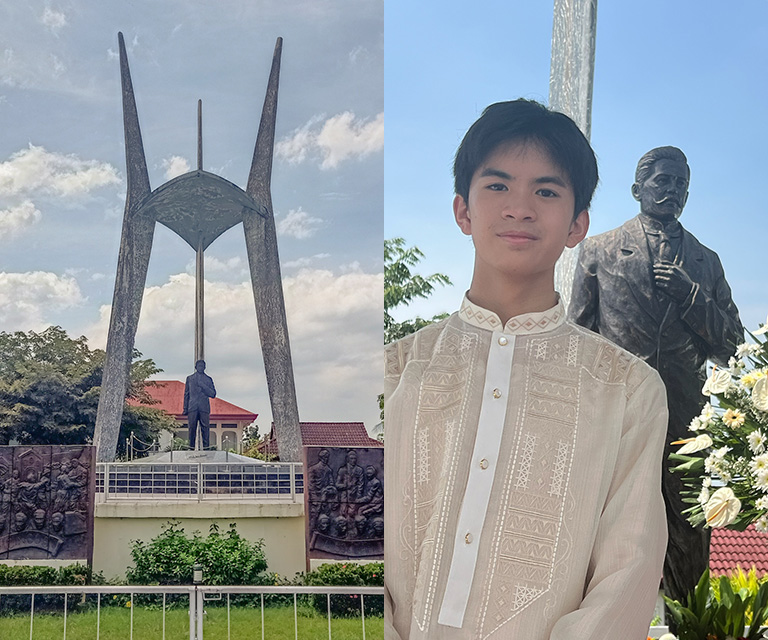
Pax Pineda admits that he’s grateful to have this opportunity to tell, show, and share his Lolo Marcelo’s story the same week as what would have been his 176th birth anniversary. Last month at NHCP’s HistoEx, Marcelo’s journey was also shown and discussed in an exhibit and even expressed that he was happy to attend. As he shares,
… I also want to share the other side felt by his family, and how their lives were marked by profound sacrifice. He left his family and his homeland in 1888 to escape persecution and continue his fight for justice in Madrid. He not only edited it, wrote for it, but also ended up financing La Solidaridad when funds dried up leaving him penniless. Yet, his legacy endures. His dedication to the cause of freedom, coupled with his roles as a devoted father and husband, humanizes his storied life.”
Uncovering the Sacrifices Behind the Hero
Most people know Del Pilar by his pen name, Plaridel. In particular, history books highlight his work with Dasalan at Tocsohan and La Solidaridad. However, fewer people know about his quiet personal struggles. Before becoming a journalist and reformist, Del Pilar trained as a lawyer in Bulacan. Later, he fled Spanish persecution in 1888 to fight for reform from Madrid. Unfortunately, this commitment came at a crushing cost. He spent his own money to fund La Solidaridad, which ultimately left him penniless.
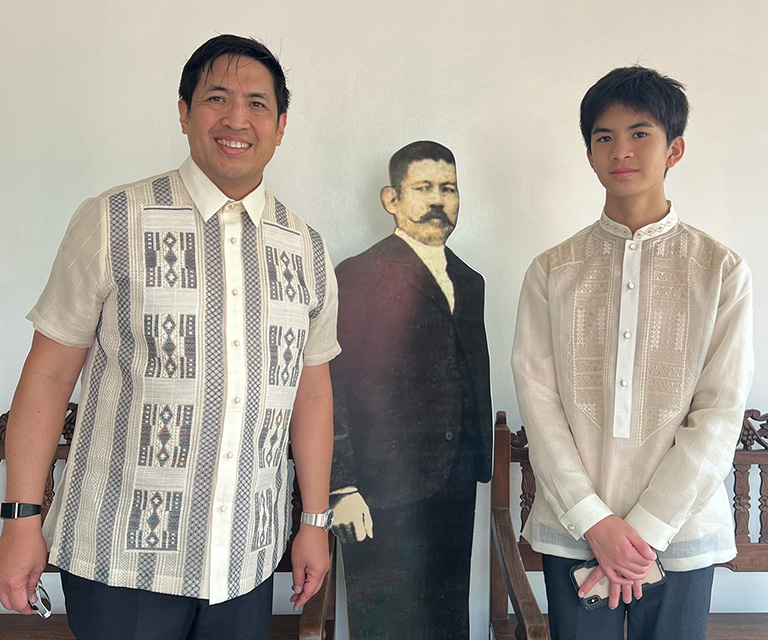
Tragically, he died of tuberculosis in Barcelona in 1896, far from his home. Emphasizing this connection, Ayala Museum curator Tenten Mina notes that he endured physical separation from family and loved ones for the sake of the greater good—a sacrifice many Filipinos still make today.
Bridging Past and Present Generations
In addition, the exhibit frames Del Pilar as a relatable human being. He was not just a hero, but also a father, husband, lawyer, and writer. Consequently, this perspective allows younger generations to connect with Filipino heritage on a personal level. Supporting such youth-led projects is central to the museum’s vision.
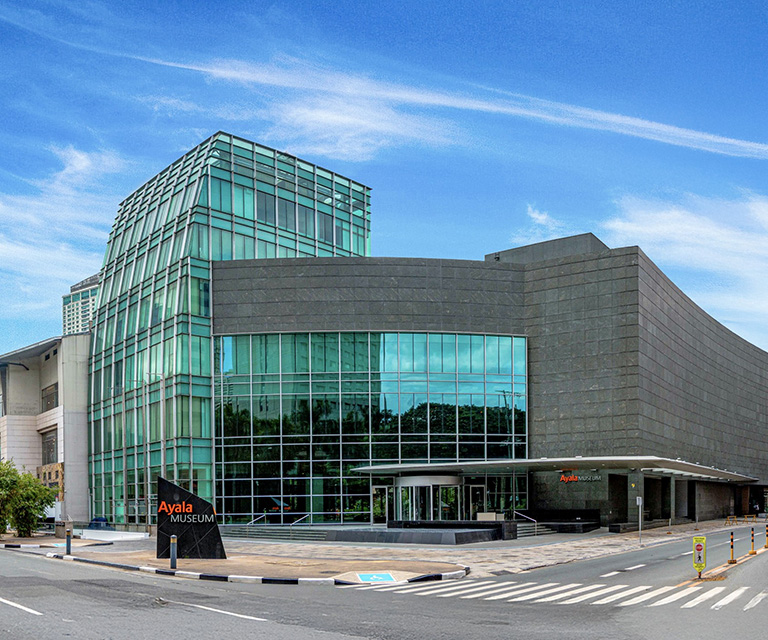
As Jorell Legaspi, Senior Director for Arts and Culture at Ayala Foundation, shares:
Ayala Museum is more than happy to collaborate with young individuals who would want to share these important stories of Filipino heritage with their peers. Projects such as this illustrate our deeply held belief at the museum that history and culture carry values relevant to each generation and that it is our job to provide a space for these conversations to happen,”.
Looking forward, Associate Director Aprille Tijam adds that they envision that this pocket exhibition will be the first of many more curatorial projects that seek to explore significant events and figures in Philippine history not featured within the Ayala Museum’s 60 Dioramas of Philippine history.
Read more Stories on Simpol.ph
Ipad Kids Are Groomed Into Violence
The Raging Puddles Of Unsafe Roads: It’s Time For Accountability