The birth of a child is usually seen as a clean slate—a symbol of new life, hope, and redemption. However, that sense of innocence quickly blurs. It shatters when back-to-back school violence happen within just two months.
Consequently, this is not just our typical, biweekly news cycle of saksakan or holdap headlines.
Naturally, these events draw multiple narratives, and one of the easiest reactions is pointing fingers at the kids themselves. But that makes us wonder: what happened to the adults who used to carefully watch their words around children?
The ‘iPad Kids’ Age Is An Unwanted Birth
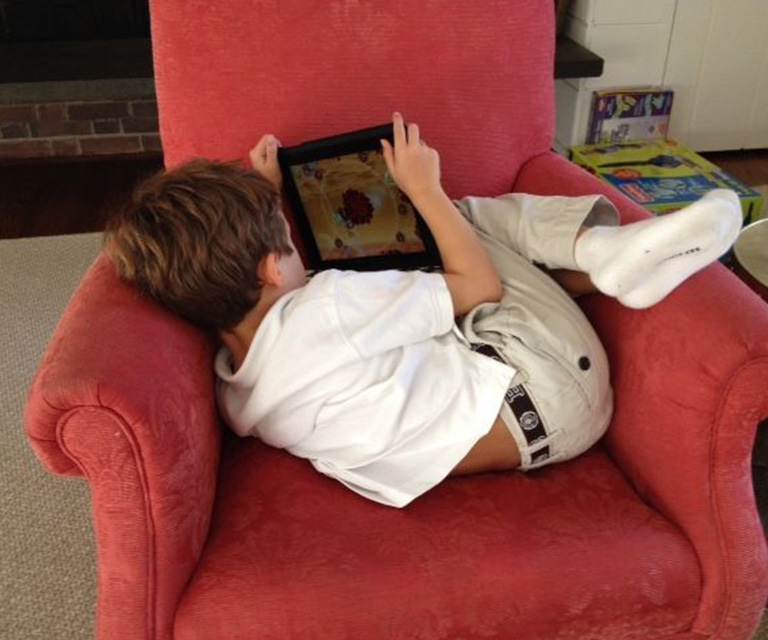
Tracing the timeline back, we enter the age of the “iPad kid”—a phrase now used for anyone, young or old, who simply cannot detach from a screen. For instance, whether eating dinner, doing chores, or moving around, people seem completely hypnotized by LED displays. They are fully consumed and tuned out from the world around them. In fact, if a house fire broke out right next to them, a child plugged into a screen might not even notice.
So, when did we slip into this reality? During the early 2010s, television was already saturated with political and civil unrest, alongside rampant social and institutional violence. Gradually, it moved from middle-school bullying cases to fraternity hazing. Later, it escalated during the extrajudicial killings during 2016. Over time, violence turned into our daily news—a recurring nightmare made routine.
Eventually, TV ceased to be a source of lighthearted entertainment. As a result of nationwide network shutdowns and scarce good news, that same violence simply migrated onto our smaller handheld screens.
Dark times reached a peak in 2020 with the “my father is a policeman” incident. In that tragic event, a police officer shot a woman point-blank right in front of his young daughter. Consequently, this plunged us even deeper into a dystopian age.
A Child Imitates Grown-Up Behavior
When a child utters violent remarks or acts out, it reflects a lapse in guidance and parenting.
Thus, the fundamental question we ought to ask is simple: why and how does a child get access to a gun in the first place? There is no justification for it. Furthermore, young children naturally imitate the routines, behaviors, and vocabulary of the adults around them. After all, their very first words come from their parents.
In the past, we used to caution anyone speaking recklessly around kids, holding onto classic wisdom: Kung ano ang marinig sa matatanda, gagayahin ng bata.
In the wake of these recent school violence, experts emphasize that preventing future tragedies is not solely up to schools and parents. Instead, it requires a collective public effort.
The “copycat effect”—supported by research published in the Journal of Clinical Medicine—describes how media coverage of crimes, suicides, and violent acts can lead others to mirror those actions. Because of this, the Kapisanan ng mga Brodkaster ng Pilipinas (KBP) issued a statement urging journalists, media organizations, and online content creators to safeguard human dignity and minors’ rights over views and likes. Furthermore, the KBP appealed to the public to act responsibly online. They urged everyone to withhold the names and faces of involved minors, avoid graphic media or intrusive videos of private grief, and prioritize safety and sensitivity over breaking news.
Is It Really The Video Games?
Our world has become so steeped in violence that it is easy to direct our frustration at children.
As a result, we reach a level of numbness where innocence seems lost. However, blaming video games misses the mark. Video games have been around since the 1970s—following the People Power Revolution. Moreover, kids in the 90s spent countless hours playing bidyo-karera without growing up into a violent generation.
In an in-depth report on how violent extremists target young Filipino kids through platforms like Roblox, writer and Philstar reporter Jah Rosales shared a troubling reality:
Sa labas ng Roblox nagaganap ang karumal-dumal na manipulasyon ng mga bata. Pinadadalhan sila ng iba’t ibang video ng pambubugbog, pamumugot-ulo at pamamaril. Mga krimeng later on ay matatatak sa isip nila, hanggang sa nanaisin na rin nilang gayahin at gawin”
Additionally, his report on the shooting incident in Calamba, Laguna revealed how vulnerable children are manipulated behind the scenes. According to local CSSYDO officials, the child involved could not even be checked into the NCMH until October at the earliest. This recent streak of juvenile violence from Calamba to Tacloban puts policymakers in a tough spot. They must deliver immediate legislative or regulatory solutions, proving that current measures are falling short. When parents notice a child unable to let go of their screens, it is often a sign of them reaching out.
Ultimately, it was never the video games. Instead of just blaming kids, we need to address the violent traits and habits we exhibit at home that they quietly observe and adopt.
Third Spaces Where Kids Can Be Kids
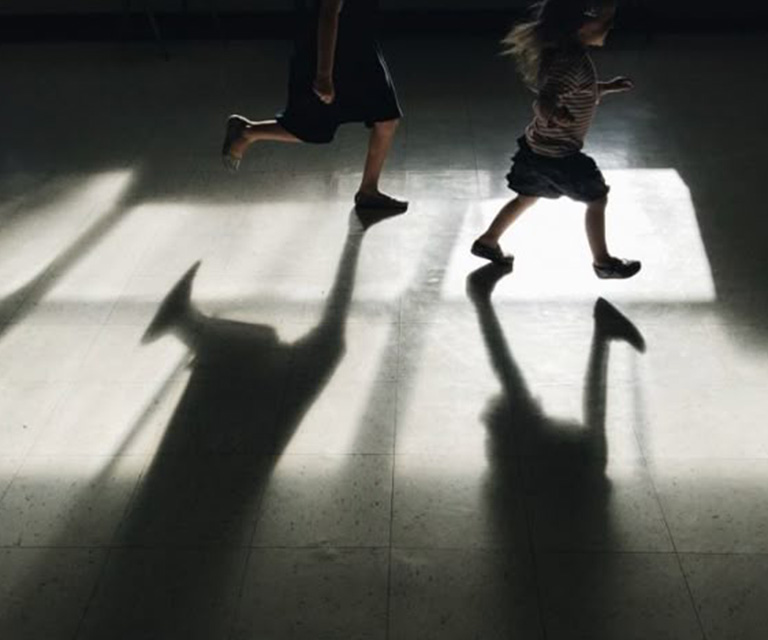
To disengage from virtual games and screen violence, kids need to go outside to play and run around again. Currently, they run to virtual games because they lack tangible physical space to play.
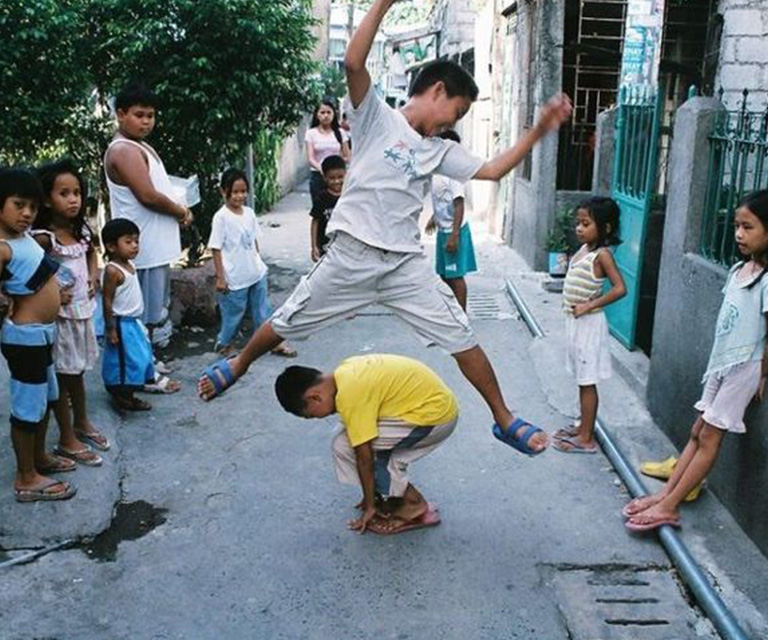
Therefore, we must give them accessible physical places where they can play and run around freely. That means restoring vibrant third spaces like neighborhood courts, vacant lots, skate rinks, street-food spots, playgrounds, green parks, safer pedestrian-friendly streets, and public libraries.
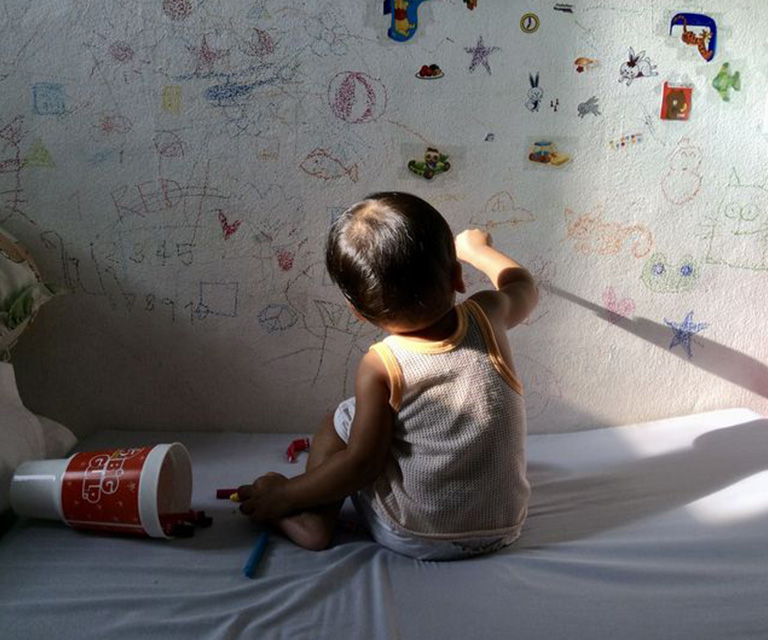
Highlighting this struggle, mother and educator Ina Azarcon-Bolivar noted:
Ngayong nanay ako problema ko ito. Ang hirap agawin ng screen time sa bata kasi walang lugar na puwede sila magtakbo takbo. Ang dami naming books, may library na kami pero matapos niya mabasa lahat, kailangan niya maglaro sa labas. Ang liit ng space sa labas, puro pa sasakyan. Mahal Kidzoona. So ano na”.
Ultimately, we cannot expect children to give up their devices if we fail to build safe, welcoming environments for them outside.
Read more Stories on Simpol.ph
The Raging Puddles Of Unsafe Roads: It’s Time For Accountability