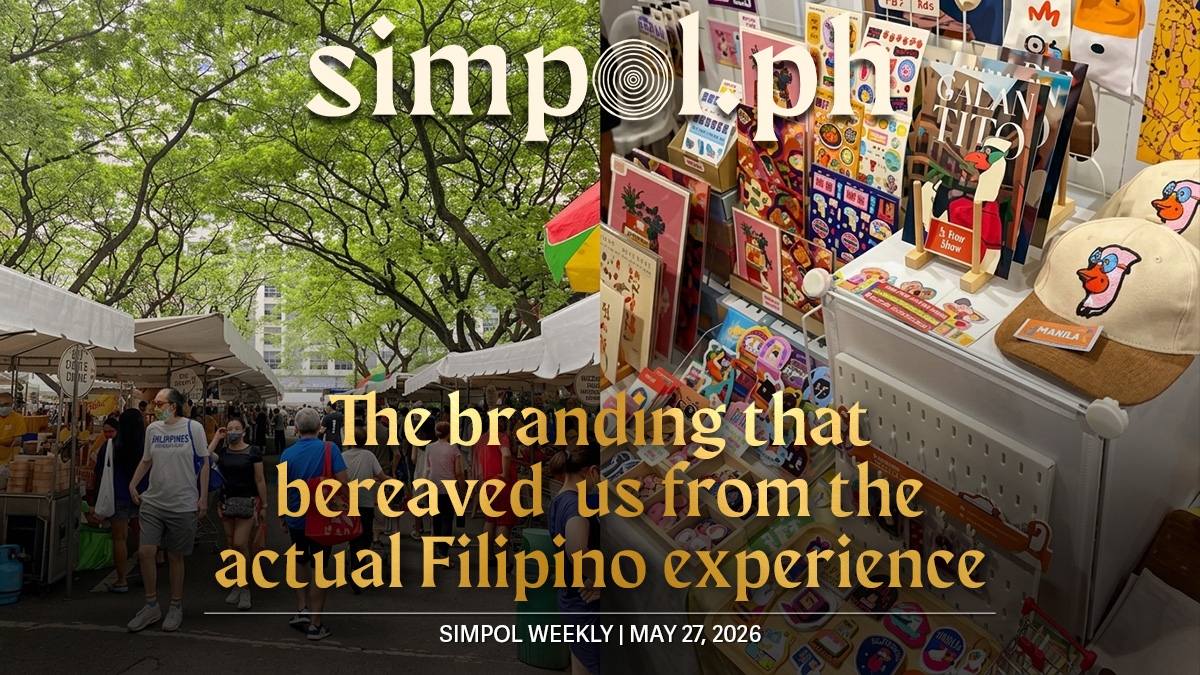
The most expensive local brand you know is weaving the classic textile patterns, repurposed pieces disguised as waste. Written in the most Filipino yet, every shop is named after a deep Tagalog adjective or noun. Our Filipino being, now even more ‘Filipinized’, listed as a 2000 peso purchase in a Pop-up market.
Spending thousands in a modernized brand just robbed you from experiencing actual culture attained by connectivity.
Cultural Souvenirs: An archive of experience vs. Proximity purchase
Filipinos are inherently hoarders. China plates, stationaries, ornaments, and collectible toys. Hoarding can assure readiness, but at times, it also fulfills the desire of ownership.
Cultural souvenirs are physical mementos that represent a region’s history, craftsmanship, and lifestyle. From artisanal crafts to local flavors, these items provide a meaningful link to a community’s heritage while directly benefiting the creators who keep these traditions alive.
While it’s good that the traditional craftsmanship is getting an immense amount of attention, the splurge of trendy endorsements of locally produced souvenirs redirects the cultural significance into accessorization and appropriation.
Malong, locally made by the Maranaos, purchased at the high–rise urban district”
To be loved, is to be changed: Tiangge, the now Pop-Up
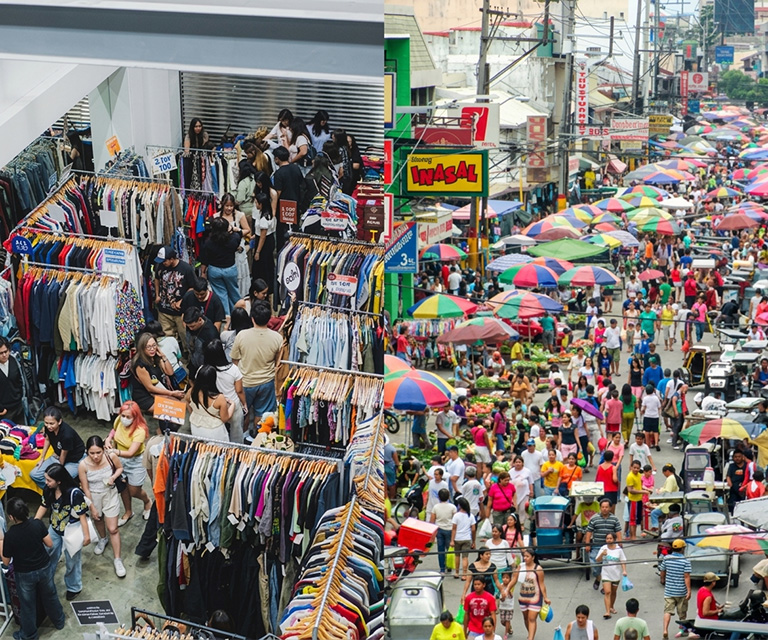
Tiangge, a destined stall to buy affordable items, has been embedded in our culture for the longest time. Discounts, buy one take ones, bulk buying. This culture was an agency to bargain on an item that justifies its everyday living necessity.
Taytay has been long known as the capital city of Tiangges, ingrained in the town’s identity as the “Garment Capital of the Philippines”. Tiangge culture pushes the trading traditions with local craftsmanship offering affordable, locally produced clothing and cultivating community bonds through bustling.
Following its booming year in 2008, Tiangge or bazaars has expanded its cultivation of trading. Fully transforming from generic garments, to higher value products. The 2010s then progressed on its economic demands and the local craftsman had to keep up to maintain culture and business.
Locals also had to match the digital transformation; the rebranding efforts also involved shifting to online platforms for wider reach, utilizing online shopping platforms such as Facebook, Instagram, Shopee, Lazada and Tiktok.
Pop-up markets are having a huge moment in the Philippines right now. It seems like everyone—especially the younger crowd—is ditching the predictable mall vibe for something a bit more exciting. They’re looking for that “curated chaos” where you can support local makers and find things you actually won’t see everywhere else.
Let’s be real, malls can feel a bit repetitive. People are gravitating toward niche finds, like upcycled clothes and local art, because it feels more personal and unique.
It’s a game-changer for indie brands. Pop-ups let artists and small businesses get their products in front of people without the massive headache (and cost) of a long-term lease.
It’s not just about shopping; it’s about the hang. Events like “Anik Weekend” create a space where like-minded people can actually connect and geek out over the same interests.
Consumerism in “Support Local” tagline
Asians, and most Filipinos often resort to Tiangge shopping for its affordability. The item’s design, brand or local recognition is the least priority when you have a whole family to feed. Especially in times of crisis. Located at the high-rise urban areas, such as Makati and Ayala Malls, a tiangge, now dressed as a furnished stall with four digits pricing while vintage or local items are on “sale”, widely known as weekend market — seemingly detached to its actual purpose.
Is it vintage? Just how much do we need secondhand bags? For how long will it last? Sulit ba?”
Attestations like these are dependent on the consumer’s financial ability in order to afford a functional item. Pop-ups and their ephemerality in the market urges the consumer to be reckless buyers instead of being mindful with their purchase.
Reckless buying doesn’t fully come out as concerning.
But it’s my money”
Until it became unnecessary, the reckless purchase is now a waste contributor.
Support Local
There’s no denying that the new Pop-up shops now also promote the new generation of craftsmanship — independent creatives, reinventing the traditional, embracing identity.
One of the best things about these markets is that the independent creatives are usually right there at the booth. You actually get to meet the person who created what you’re buying, which makes everything feel a lot more personal. It’s not just a transaction; it builds real trust and loyalty because you’re connecting with the story behind the brand, making the whole shopping trip feel way more meaningful — a communal experience, which draws us even closer to our Filipino-being.