There is an excruciating beauty to your twenties. Indeed, it unfolds in a relentless cycle of seasons. Breathless exhaustion, midnight celebrations, sudden heartbreaks, and quiet losses. Ultimately, to navigate this world as a twenty-something girl is to realize that achievement and grief often walk hand in hand. Consequently, it becomes a painful, dizzying, and utterly transformative rite of passage everyone is subjected to experience.
But here is the turning point. As humans, our default setting is survival. Therefore, we always find a way to reboot, reclaim our power, and discover an undeniable reason to keep going. In doing so, we find our own unique ways to hit pause, unwind, and reconnect with who we are at our core. Thus, by the time you survive the storm, you return stronger, entirely unshakeable, and ready for whatever life throws your way.
In the end, you look inward and realize that everything you needed has been there all along. Just waiting to be recognized and remembered.
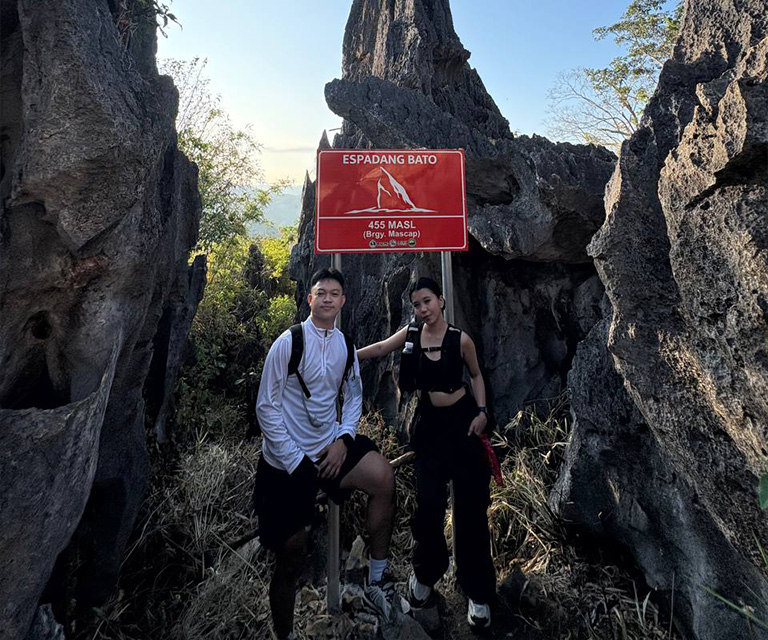
“Pamumundok” defined by the New Generation
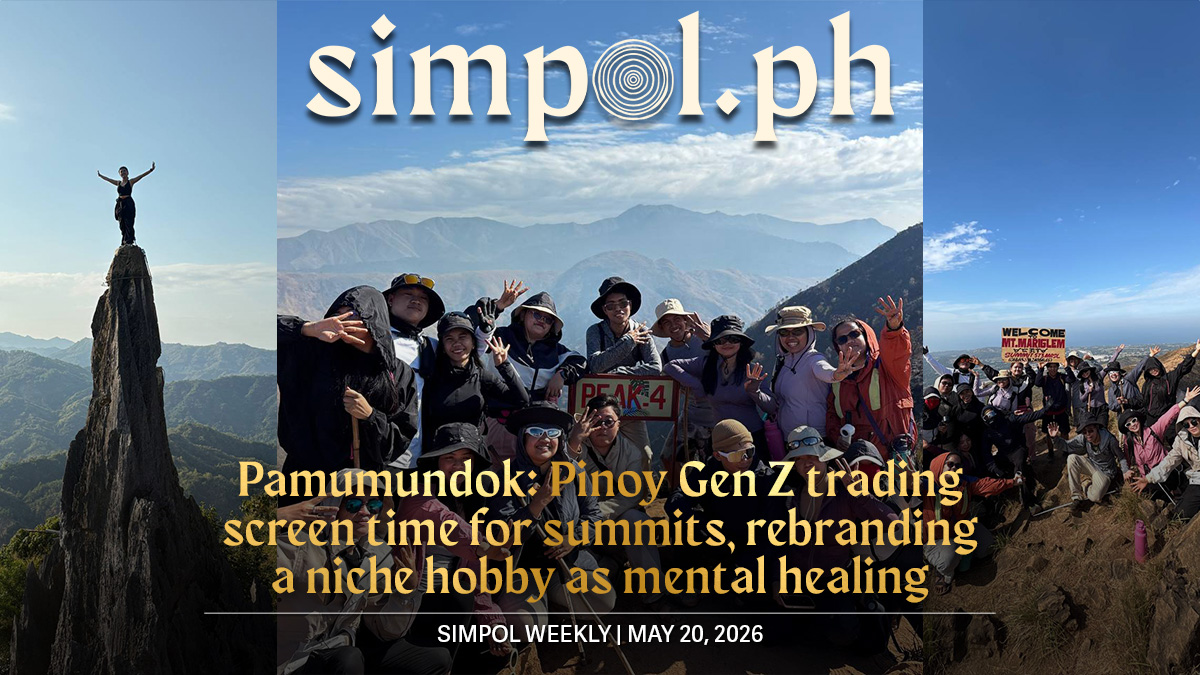
In the Philippines, the term “pamumundok” which is traditionally used to describe heading to the mountains or, historically, retreating into rural hinterlands, has undergone a major cultural rebrand. Today, it represents one of the biggest outdoor lifestyle trends for Filipino Gen Z.
What used to be a niche hobby reserved for seasoned, hardcore mountaineers has evolved into a mainstream cultural phenomenon. Driven by social media, a collective post-pandemic craving for wellness, and accessible travel logistics, younger Filipinos are hitting the trails in record numbers.
What’s behind the Pamumundok craze?
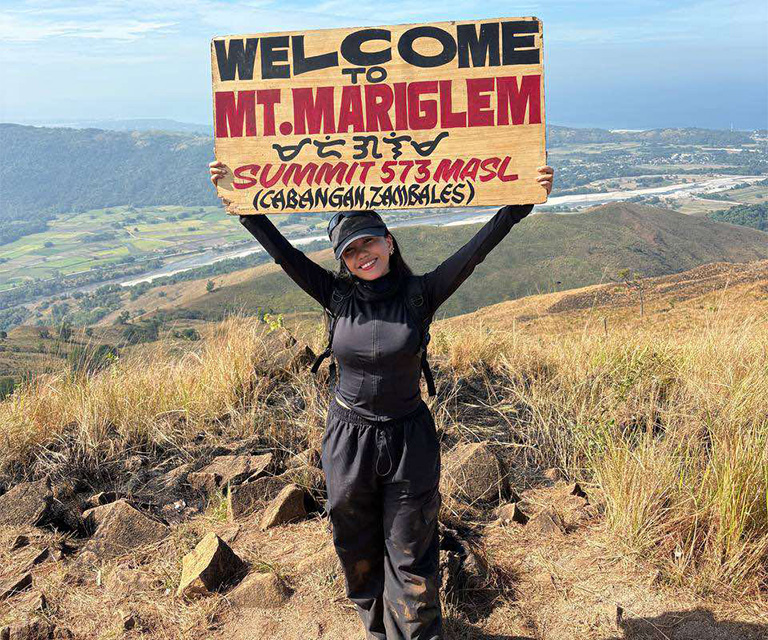
You can’t talk about Gen Z hiking without talking about the visual culture. In fact, achieving the perfect shot of a “sea of clouds” is a massive motivator. This is the breathtaking phenomenon where thick low-level clouds blanket the view below a summit. After all, as they say, you never really hiked if you did not post a really good photo looking at the horizon of the sea of clouds.
Additionally, these short-form videos on TikTok featuring aesthetic morning drone shots, mist-covered pine forests, and the triumphant “summit pose” have made mountains look highly aspirational. More often than not, these are accompanied by motivational audio that contains messages of healing, empowerment, strength, and reconnection.
By comparison, looking back in the old days, climbing a mountain required joining a university mountaineering club or an established group. This involved rigid inductions and complex planning. However, Gen Z has bypassed this through do-it-yourself (DIY) tourism and “Joiner” tours.
As a result, this subculture has transformed mountaineering into a hobby that is attainable for everyone who’s interested in experiencing. For instance, budget-friendly travel agencies offer all-in weekend packages. This usually cover van transfers, registration fees, and local guide fees marketed directly on Facebook and TikTok.
Ultimately, this allows individuals or small friend groups to simply pay a flat rate, hop into a van in Manila or a nearby city center at midnight, and hike a peak by sunrise.
Pamumundok as a Therapeutic Activity
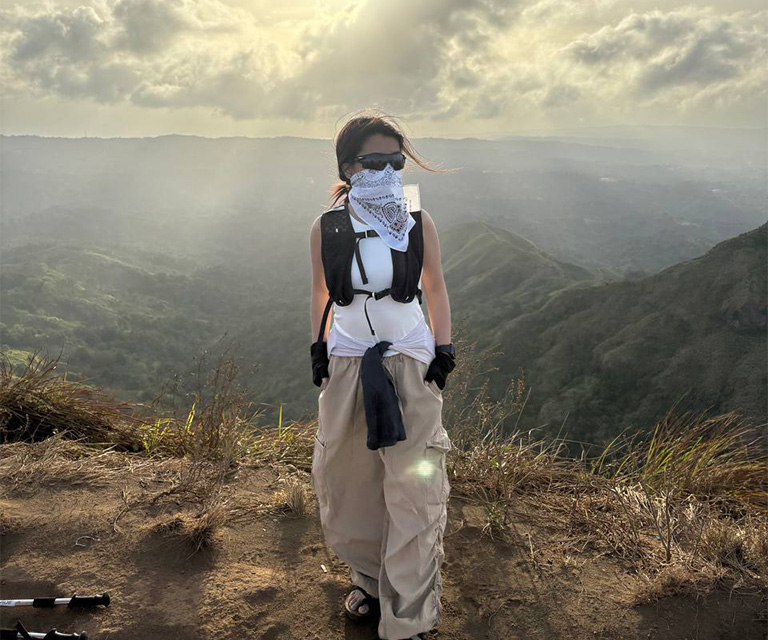
Having spent critical developmental years during the pandemic isolated indoors, Filipino Gen Z uses pamumundok as a form of affordable therapy.
The peace of mind and fulfillment that hiking gives me is what drives me to continue doing it.” said Sofia, a Gen Z frequent climber.
The mountains offer a physical disconnect from the hyper-connected, high-stress environments of school and early corporate life. This provides a literal and figurative “escape from the chaos” moment.
Nowadays, ang bilis ng buhay. Most of the time, we’re stressed and pressured about something. This is why hiking became a way for me to disconnect from all of it even for just a moment.”
Gen Z being the most digitally connected generation in history, results in a lifestyle constantly bombarded with notifications, algorithmically driven feeds, and the subtle stress of social comparison. This is why the need for a reset and disconnection is a matter that always resonates with them.
It is also a form of self growth. Hindi lang katawan mo ang napapagod, nate-test din ang patience, mindset, and determination mo. Once you reach the top, the feeling of fulfilment is different”
Some people started because of the trend, but many eventually stayed because of the experience of peace that it gives them.” she added.
The Growing Pain of Hype
While the trend has successfully boosted local economies and provided livelihood for indigenous communities working as tour guides and porters, the community has faced notable friction. Veteran local mountaineers often point out the downsides of the sudden “hyped” interest.
With its rise, there has been extreme trashing on trails. Also the overcrowding on narrow ridges, and the degradation of delicate ecosystems and forests due to heavy foot traffic. This is highly experienced by the popular hiking spots such as; Mt. Ulap, Mt. Daraitan, Mt. Batulao, Mt. Pulag, and Mt. Maculot.
In response to this, there is a massive push within the local digital community toward Leave No Trace (LNT) principles. Influential young creators are actively pivoting their content to educate their peers. Reminding everyone that pamumundok isn’t just about a beautiful aesthetic photo, but about respecting the mountain and the local communities that call it home.
What’s there for the Bundokistas?
Ultimately, the transformation of pamumundok from a rugged, fringe subculture into a therapeutic hobby for Filipino Gen Z is about far more than just chasing summits or curating an aesthetic feed. It is a striking mirror of a generation in the middle of a vital evolution.
Every grueling uphill incline becomes a lesson in real-world resilience. Every weekend spent inside a cramped “joiner” van fosters a deep, radical empathy that breaks down social barriers. That everyone is there for the same thing.
An experience of peace.
Read more Stories on Simpol.ph
20+ Sulit Summer Ideas for Big Fun on a Budget
The Art of Side Quests: How Rest Can Be More Than a Pursuit
Of Crowns and Petals: Weaving Faith and Fashion through Filipino Flores de Mayo